Careers
current topics
Multikosmos: A family business in transition
Strength Lies in Experience
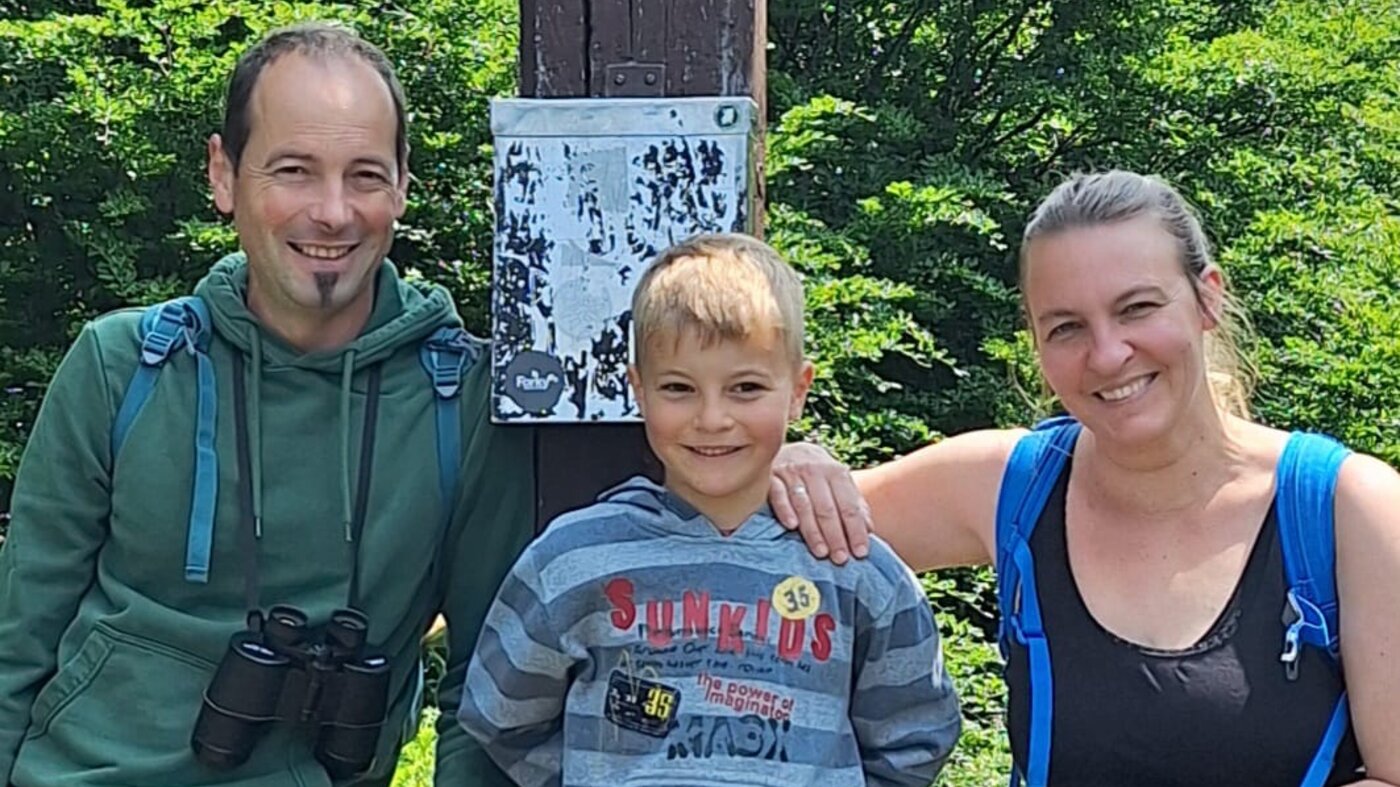
The Weiermair family farm is located in the idyllic town of Adlwang in Upper Austria and is currently home to about 320 pigs. Johannes Weiermair took over his parents’ organic farm in 2011 and has initiated several changes since then. The former mixed-farming operation has been exclusively dedicated to organic pig farming since 2020. As is so often the case in life, such a transition is always accompanied by ups and downs. In this interview, the passionate organic farmer discusses the challenges the family faced and how he continues to tackle them today using common sense.
current topics
Multikosmos: A family business in transition
Strength Lies in Experience
The Weiermair family farm is located in the idyllic town of Adlwang in Upper Austria and is currently home to about 320 pigs. Johannes Weiermair took over his parents’ organic farm in 2011 and has initiated several changes since then. The former mixed-farming operation has been exclusively dedicated to organic pig farming since 2020. As is so often the case in life, such a transition is always accompanied by ups and downs. In this interview, the passionate organic farmer discusses the challenges the family faced and how he continues to tackle them today using common sense.
current topics
Multikosmos: Efficiency over growth
A New Perspective on the Future of Agriculture - A Conversation with Prof. Dr. Wilhelm Windisch
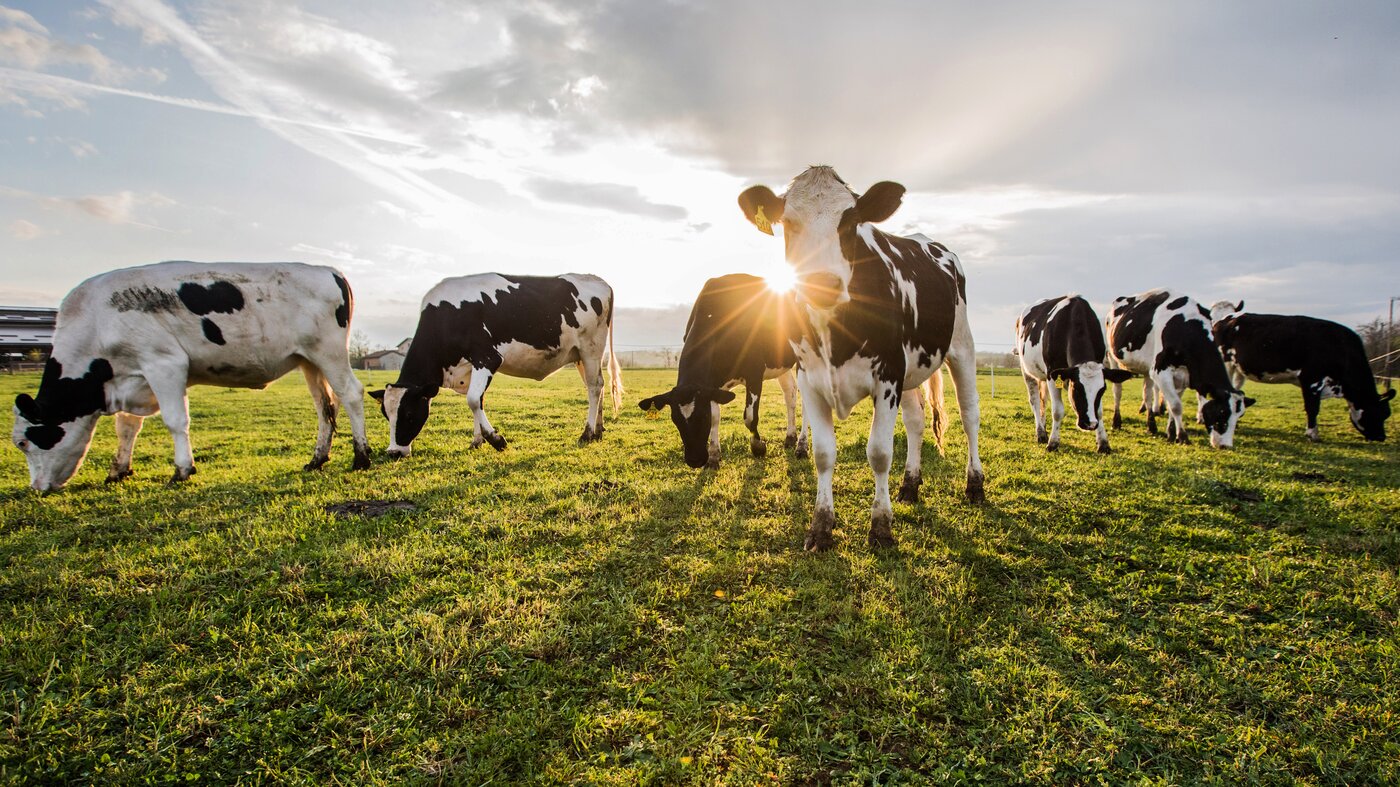
The idea that progress is inevitably synonymous with growth is deeply ingrained in many people’s minds. However, in the face of an agricultural sector grappling with increasingly scarce resources, mounting climate pressures, and ecological limits, a new way of thinking is gaining ground: farming in harmony with nature.
current topics
Multikosmos: Efficiency over growth
A New Perspective on the Future of Agriculture - A Conversation with Prof. Dr. Wilhelm Windisch
The idea that progress is inevitably synonymous with growth is deeply ingrained in many people’s minds. However, in the face of an agricultural sector grappling with increasingly scarce resources, mounting climate pressures, and ecological limits, a new way of thinking is gaining ground: farming in harmony with nature.
current topics
Between garden plants and balcony boxes: How Huyskweker Stouten relies on the Multikraft system
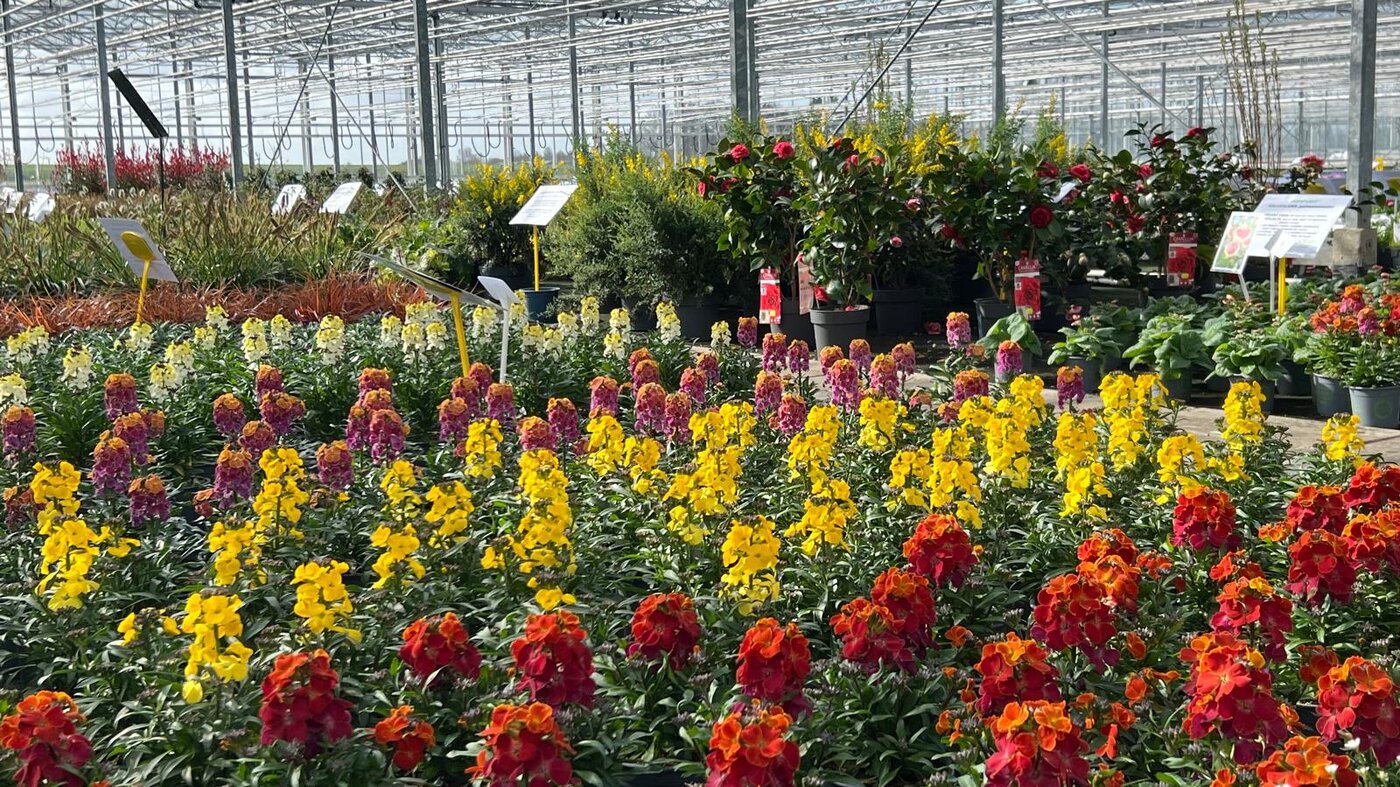
Arjen Stouten runs Huyskweker Stouten V.O.F. in Oosterland, the Netherlands, together with his family. On approximately 1 hectare of greenhouse space, the family-run business professionally cultivates high-quality summer flowers, as well as a wide assortment of bedding and balcony plants and various perennials. A particular focus is on balcony and patio planters, as well as hanging baskets with built-in water reservoirs. The company sells directly to private end customers throughout the Netherlands and a small part of Belgium.
current topics
Between garden plants and balcony boxes: How Huyskweker Stouten relies on the Multikraft system
Arjen Stouten runs Huyskweker Stouten V.O.F. in Oosterland, the Netherlands, together with his family. On approximately 1 hectare of greenhouse space, the family-run business professionally cultivates high-quality summer flowers, as well as a wide assortment of bedding and balcony plants and various perennials. A particular focus is on balcony and patio planters, as well as hanging baskets with built-in water reservoirs. The company sells directly to private end customers throughout the Netherlands and a small part of Belgium.
Exciting innovations are being developed here
The history of Multikraft began over 40 years ago with the search for eco-friendly alternatives and sustainable solutions in the field of agriculture and animal feeds. For this reason, we have very strong links with animal husbandry and plant cultivation and follow all the latest developments and findings with great interest.
The history of Multikraft began over 40 years ago with the search for eco-friendly alternatives and sustainable solutions in the field of agriculture and animal feeds. For this reason, we have very strong links with animal husbandry and plant cultivation and follow all the latest developments and findings with great interest.
livestock farming
Multikosmos: A family business in transition
Strength Lies in Experience
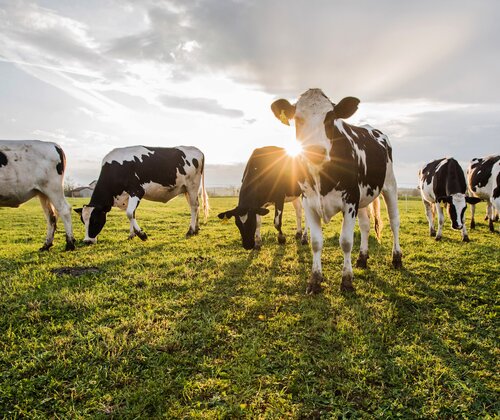
The Weiermair family farm is located in the idyllic town of Adlwang in Upper Austria and is currently home to about 320 pigs. Johannes Weiermair took over his parents’ organic farm in 2011 and has initiated several changes since then. The former mixed-farming operation has been exclusively dedicated to organic pig farming since 2020. As is so often the case in life, such a transition is always accompanied by ups and downs. In this interview, the passionate organic farmer discusses the challenges the family faced and how he continues to tackle them today using common sense.
Enthusiast
8 minutes reading time
livestock farming
Multikosmos: Efficiency over growth
A New Perspective on the Future of Agriculture - A Conversation with Prof. Dr. Wilhelm Windisch
The idea that progress is inevitably synonymous with growth is deeply ingrained in many people’s minds. However, in the face of an agricultural sector grappling with increasingly scarce resources, mounting climate pressures, and ecological limits, a new way of thinking is gaining ground: farming in harmony with nature.
Enthusiast
10 minutes reading time
Between garden plants and balcony boxes: How Huyskweker Stouten relies on the Multikraft system
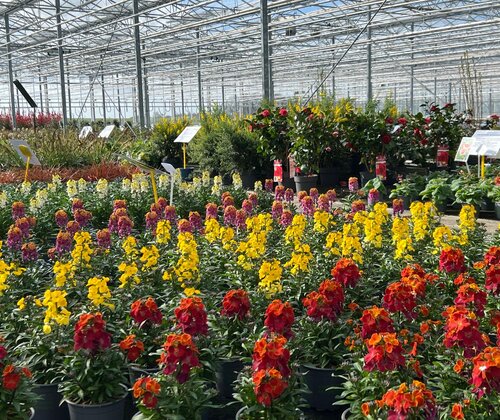
Arjen Stouten runs Huyskweker Stouten V.O.F. in Oosterland, the Netherlands, together with his family. On approximately 1 hectare of greenhouse space, the family-run business professionally cultivates high-quality summer flowers, as well as a wide assortment of bedding and balcony plants and various perennials. A particular focus is on balcony and patio planters, as well as hanging baskets with built-in water reservoirs. The company sells directly to private end customers throughout the Netherlands and a small part of Belgium.
Enthusiast
5 minutes reading time
livestock farming
Land Creates Life: Greater Transparency When Buying Honey
New Rules of Origin Effective June 2026
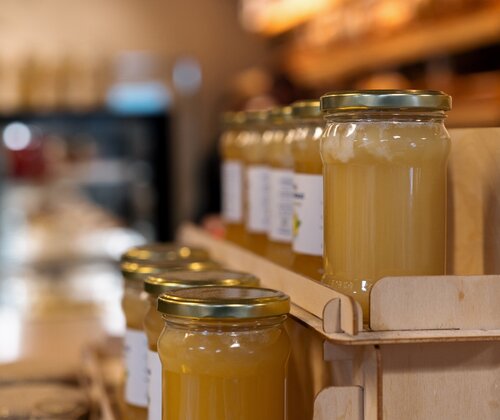
How can you tell if honey is truly from Austria? With regional specialties, organic products, and inexpensive imported blends on the shelves, it’s often not easy for Austrian honey to stand out in the supermarket. While checking the label helps, many origin labels have been rather vague up until now. That’s exactly what the new 2026 amendment to the Honey Regulation is set to change.
Beginner
6 minutes reading time
Multikosmos: Consistency in Vegetable Farming - A Family Farm in Transition
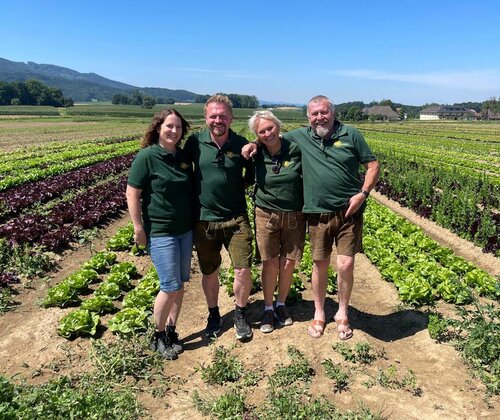
In the Traunviertel region, not far from Gmunden, vegetables are grown not according to trends, but based on experience. For decades, the Kirchgatterer family farm has stood for a form of agriculture rooted in careful cultivation, a close connection to nature, and a sense of responsibility toward the soil and people. Having grown across generations, the farm thrives on the belief that consistency arises where one looks closely, exercises patience, and is willing to carefully integrate new approaches into existing structures. A look behind the scenes of a vegetable farm that combines tradition and innovation.
Enthusiast
9 minutes reading time
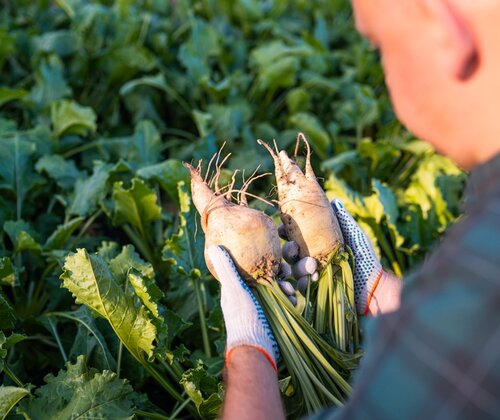
Land creates life: Sugar - From Luxury Item to Everyday Product
Whether in cakes, muesli, spreads, or beverages, sugar is an indispensable part of our diet. But what seems so commonplace today was once something quite special. Until well into the Middle Ages, honey was the only sweetener in Austria. It wasn’t until later that beet and cane sugar found their way into our kitchens. The Land schafft Leben association explains the journey the beet takes from cultivation to the sugar aisle and how production works in Austria.
Beginner
7 minutes reading time
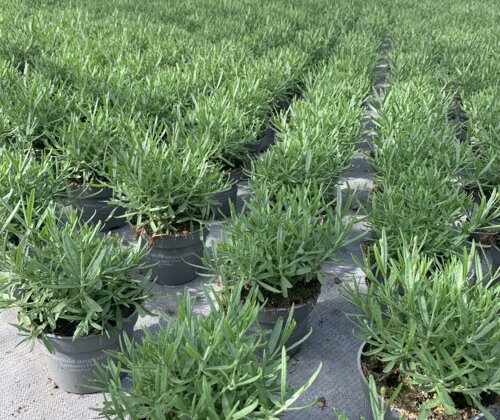
Multikosmos: Where the Lavender Blooms - A Story of Courage, Change, and the Power of Nature
Anyone who grows lavender knows that behind this plant’s apparent hardiness lies a delicate soul. Heat, humidity, stress—even minor factors are enough to sap the vitality from these fragrant purple wonders. For the van Adrichem family from Germany, lavender has long been more than just a product. They have been passionately cultivating ornamental plants for over 65 years. For them, lavender represents tradition, fragrance, summer—and the knowledge that nature and craftsmanship can exist in harmony. Our conversation with Mareike van Adrichem offers insight into the company’s history, its success, and how the team ultimately finds a natural solution even in challenging times.
Enthusiast
8 minutes reading time
livestock farming
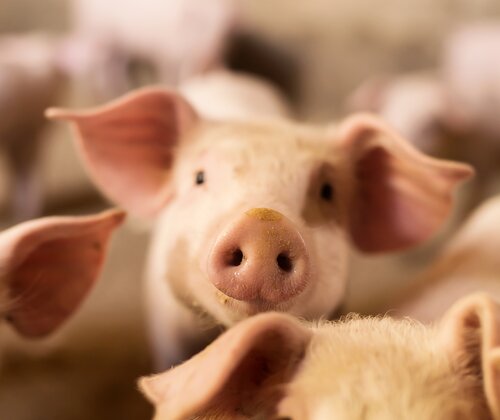
Better feed quality, healthier pigs: a farmer breaks new ground
Marcus Fattinger has overcome a crucial challenge at his Upper Austrian breeding farm: the rapid spoilage of feed. By using Fermented Herbal Extract (FHE), he has not only improved feed preservation but also the health of his pigs.
Enthusiast
4 minutes reading time
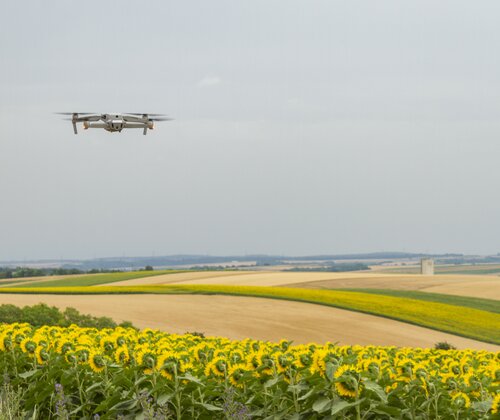
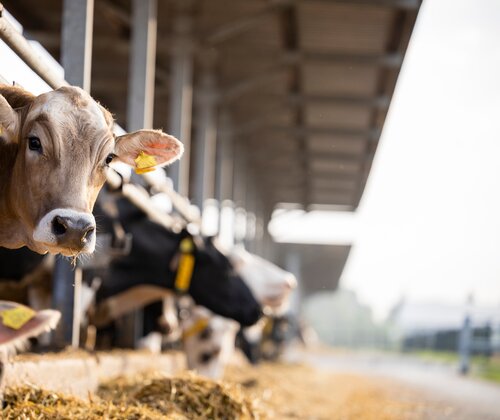
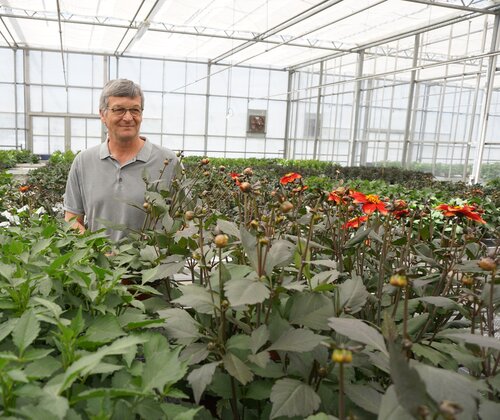
Powerful combination - plant strengthening and beneficial organisms
Many horticultural businesses and their customers are interested in preventative, plant-strengthening products, such as those from Multikraft. Frank Korting from the Rhineland-Palatinate Rural Service Centre in Germany has done some research and reports on his findings.
Professional
4 minutes reading time
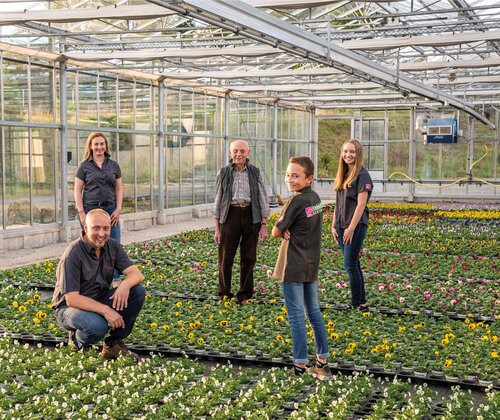
Courage is rewarded - plant strengthening instead of pesticides
Since January 2019, the Steinhilber nursery in Neustadt an der Waldnaab in Bavaria has been working consistently without pesticides. Changes in crop management, the use of beneficial organisms and the Multikraft biostimulant are crucial to success.
Professional
3 minutes reading time
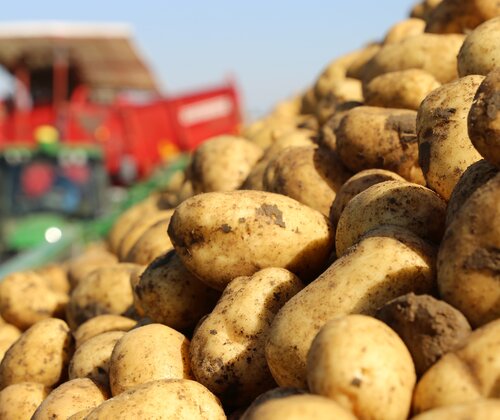
Success in potato cultivation: 10 % higher yield thanks to the Multikraft system
Kurt Kirchmayr from Pupping is a founding member of the Eferdinger Landl potato/vegetable group, which acts as a direct supplier for Billa, Spar and Hofer. They cannot afford crop failures. He has been successfully experimenting with the Multikraft system on his potato fields for two years. The 2023 season brought a harvest increase of around 4.5 tonnes per hectare - an impressive increase of around ten per cent.
Enthusiast
2 minutes reading time
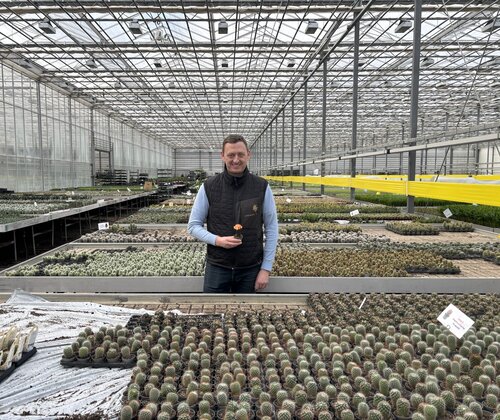
The plants stand tightly in rank and file
MK Start is used for potting at the Lundager nursery in Denmark. The loss rate of 0 % speaks for compact, strong plants that are able to defend themselves against fungal diseases.
The Lundager nursery in Odense is one of the best addresses for small ornamental plants in Denmark. Ove and his wife Olga run the business, which is constantly growing and supplies garden centres throughout Europe with its products. Preventive plant health is particularly important in glasshouses, because otherwise the plants can hardly protect themselves against fungal infestation and other diseases.
Professional
3 minutes reading time
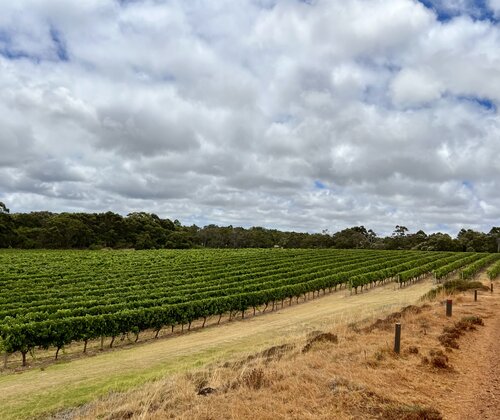
Strong increase in quality and yield in Australian viticulture
Conor O'Brien, CEO of Multikraft Probiotics Australia, shares impressive results: The use of Multikraft's biostimulants has resulted in yield increases of up to 35 per cent. This innovation not only improved quality, but also enabled a drastic reduction in the use of fungicides and pesticides on the cultivation areas.
Multikraft has been represented in Australia since 2014. Conor O'Brien is particularly proud of the successful development in Margaret River in the south-west of Western Australia - one of the youngest wine regions in the world, which has achieved international recognition in record time. Multikraft looks after a large number of winegrowers there, including Cherubino Vineyards, Australia's most award-winning winery.
Enthusiast
3 minutes reading time
Try the Multikraft well-being blog, which has great recipes, beauty tips and much more.
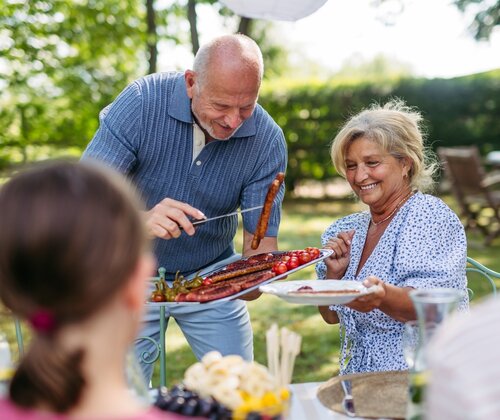
Land creates life: Hot topic - Grilling mindfully just tastes better
No summer is complete without a barbecue! A fun get-together, a wide variety of dishes in a relaxed atmosphere—for many, firing up the grill is simply part of the warm season. What we put on the grill should be anything but a trivial matter: When you consciously choose seasonal vegetables and high-quality meat from Austria, you’re not just enjoying a meal—you’re also supporting local agriculture and regional economic growth.
Beginner
8 minutes reading time

Multi-knowledge: 8 tips for radiant summer skin
August is the perfect time to enjoy nature to the fullest. Whether you’re hiking, at the lake, in the garden, or on vacation—the sun is a part of many wonderful summer moments. At the same time, your skin is exposed to particular stresses during this season. UV rays, heat, wind, and saltwater or chlorinated water can strain the skin’s natural barrier and strip it of moisture.
With the right skincare, you can help your skin stay healthy, supple, and radiant all summer long. Three factors play a key role here: protection, hydration, and regeneration.
Beginner
7 minutes reading time

Multikosmos: PFAS in Cosmetics—Longevity with a Risk
There is a vast variety of skin care and cosmetic products available. No matter what the problem, the market offers a solution to pamper yourself and your skin. For dry skin, you apply moisturizer diligently; for dandruff, there’s the right shampoo; and for wrinkles, there are numerous formulations designed to make your skin glow. But even products intended for good can often—even expensive ones—contain questionable ingredients. We’re talking about PFAS, the so-called “forever chemicals.” They’re frequently used in cosmetics and other products because of their durability, but they’re facing increasing criticism due to their impact on people and the environment. This article explains what they are, how they work, why they can be harmful, and why natural cosmetics offer a genuine alternative.
Beginner
8 minutes reading time
In the Multikraft home and garden blog, you will find useful tips for your home and interesting articles about gardening.
Garden & Plants
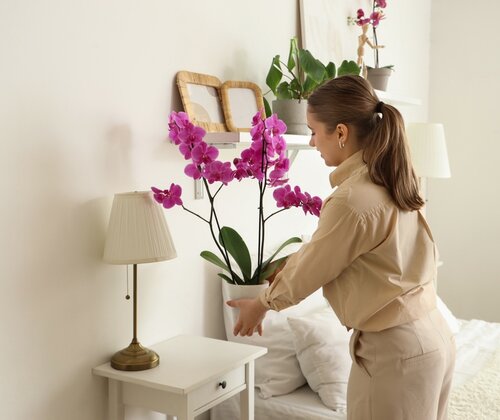
Multi-Knowledge: How to care for orchids properly & get them to bloom – Tips for healthy plants
Hardly any houseplant rewards good care as impressively as an orchid. When, after weeks or months, a new flower spike suddenly appears and the first buds open, the joy is immense. To ensure that such moments of blooming occur regularly, it’s worth taking a closer look at the plant’s needs. After all, not all orchids are the same: Depending on the species, their requirements for light, water, temperature, and dormant periods vary.
Beginner
8 minutes reading time

Garden & Plants
In memory of Hilde Umdasch: “You have to contribute something positive to bring about positive change.”
With the passing of Hilde Umdasch, we have lost an impressive business leader who combined courage, humanity, and corporate responsibility. Back in 2014, we had the privilege of interviewing her for our then-current multikosmos magazine.
Beginner
8 minutes reading time
Garden & Plants
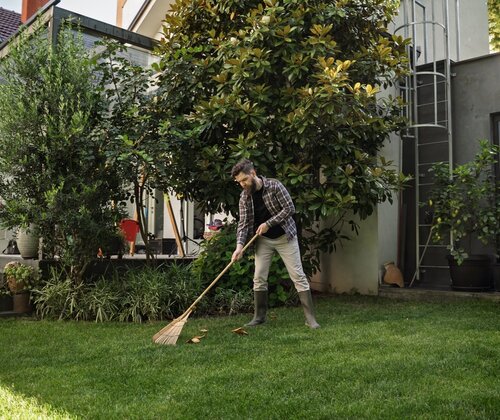
Multi-Knowledge: Fall lawn care - strengthen your lawn now and prepare it for winter
Brown blades of grass, bare patches, and a lawn that looks a bit worn out overall: Heat and prolonged dry spells can take a significant toll in the summer. But even if your lawn looks anything but healthy right now, there’s still plenty you can do. Fall is the ideal time to help your lawn recover and, at the same time, prepare it well for winter.
That’s because, while the intense heat is over, the soil is still pleasantly warm. Cooler temperatures and more frequent rainfall create good conditions for growth. The grass can recover, form new roots, and gradually fill in smaller gaps.
Beginner
6 minutes reading time
