Careers
Multi-Knowledge: How to care for orchids properly & get them to bloom – Tips for healthy plants
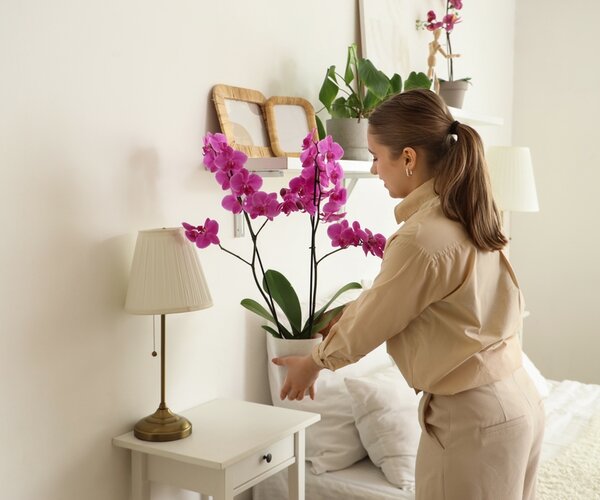
Hardly any houseplant rewards good care as impressively as an orchid. When, after weeks or months, a new flower spike suddenly appears and the first buds open, the joy is immense. To ensure that such moments of blooming occur regularly, it’s worth taking a closer look at the plant’s needs. After all, not all orchids are the same: Depending on the species, their requirements for light, water, temperature, and dormant periods vary.
Beginner
8 minutes reading time
Cymbidium
Not all orchids are the same
The most well-known orchid on our windowsills is the Phalaenopsis. It likes bright, warm conditions and prefers a spot without intense midday sun. It does not require a distinct dormant period. Under good conditions, it can produce new flower spikes repeatedly.
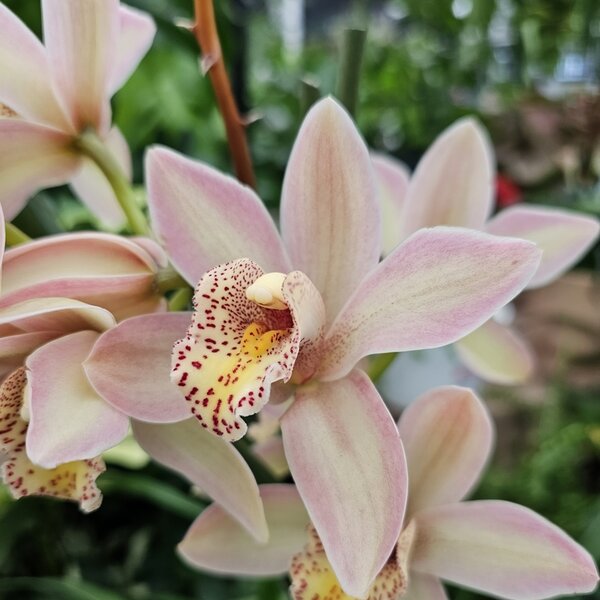
Cymbidiums are among the orchids that prefer cooler growing conditions and require plenty of light. A cooler period and significant differences between day and night temperatures can promote flower formation.
With Dendrobiums, too, it depends on the specific species or cultural group. For example, while Dendrobium-Phalaenopsis types are grown in warm conditions, Nobile types require a significantly cooler and drier dormant period before they produce new flowers.
Vanda orchids thrive in plenty of light, warmth, high humidity, and good air circulation. They are often grown without conventional potting mix and develop vigorous aerial roots.
The lady’s slipper (Paphiopedilum) requires less light than many other orchids. Temperature requirements also vary depending on the species and cultural group. The growing medium should be kept evenly slightly moist, without the plant standing in water for extended periods.
Overview of orchid species and their care requirements
As varied as their needs may be, orchids have one thing in common: If you learn to read their signals, you can provide them with the care they need.
The right location for orchids
Light is one of the most important factors for healthy growth and abundant blooms. Requirements vary significantly depending on the type of orchid. Direct sunlight that is too intense can cause leaf burn. A bright spot without strong midday sun is a good choice for many orchids.
The temperature should also be appropriate for the specific orchid. While tropical species such as Phalaenopsis prefer warmth, Cymbidiums and certain Dendrobiums, for example, require a cooler period.
How to water orchids properly
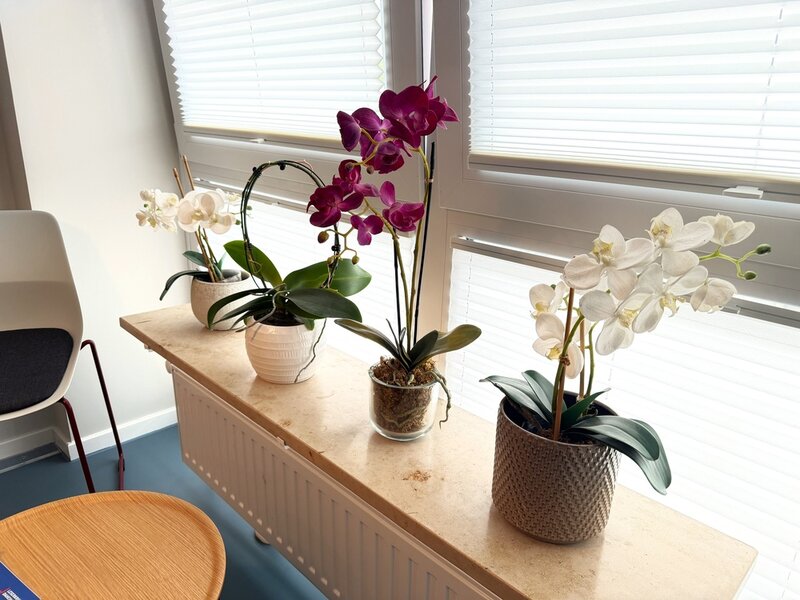
When watering, it’s worth taking a closer look. Orchids should not be watered according to a rigid schedule. The key factors are the species, season, temperature, location, and growing medium.
For many orchids, the soaking method works particularly well: Place the pot in room-temperature water for a few minutes and then let it drain completely.
With Phalaenopsis in particular, the roots visible through the transparent pot provide a good indication of water needs. If they are silvery-gray, it’s time to water again. Green roots indicate that there is still sufficient moisture.
Waterlogging should be avoided at all costs. Orchid roots need air as well as water.
When watering, it’s worth taking a closer look. Orchids should not be watered according to a rigid schedule. The key factors are the species, season, temperature, location, and growing medium.
For many orchids, the soaking method works particularly well: Place the pot in room-temperature water for a few minutes and then let it drain completely.
With Phalaenopsis in particular, the roots visible through the transparent pot provide a good indication of water needs. If they are silvery-gray, it’s time to water again. Green roots indicate that there is still sufficient moisture.
Waterlogging should be avoided at all costs. Orchid roots need air as well as water.
Natural plant fertilizer for healthy orchids
An orchid that develops strong roots and healthy foliage has the best conditions for producing new blooms time and again. In addition to the right location, proper watering, and a balanced supply of nutrients, targeted plant strengthening can provide additional support for the orchid.
Magic Orchid was developed specifically for the needs of orchids. The formula, which contains hibiscus blossoms as well as lactic acid bacteria, photosynthetic bacteria, and yeasts, supports the plants’ natural resilience and promotes vigorous root growth and efficient nutrient uptake.
An orchid that develops strong roots and healthy foliage has the best conditions for producing new blooms time and again. In addition to the right location, proper watering, and a balanced supply of nutrients, targeted plant strengthening can provide additional support for the orchid.
Magic Orchid was developed specifically for the needs of orchids. The formula, which contains hibiscus blossoms as well as lactic acid bacteria, photosynthetic bacteria, and yeasts, supports the plants’ natural resilience and promotes vigorous root growth and efficient nutrient uptake.


Detecting and controlling pests on orchids early
As beautiful and hardy as orchids are—they sometimes get uninvited guests. Mealybugs, scale insects, aphids, and spider mites can also infest orchids. Particularly dry indoor air can put additional stress on the plants. That’s why it’s worth regularly checking the leaves, the undersides of the leaves, and the leaf axils. The sooner pests are detected, the better.
Fermented Garlic and Chili Extract
Fermented garlic and chili extract is recommended as a natural preventive measure. The plant extracts it contains help keep pests such as aphids and spider mites at bay. For orchids, you should first test the product on a single leaf to ensure it’s well-tolerated. Do not spray directly onto delicate flowers.
What should you do if your orchid doesn't bloom?
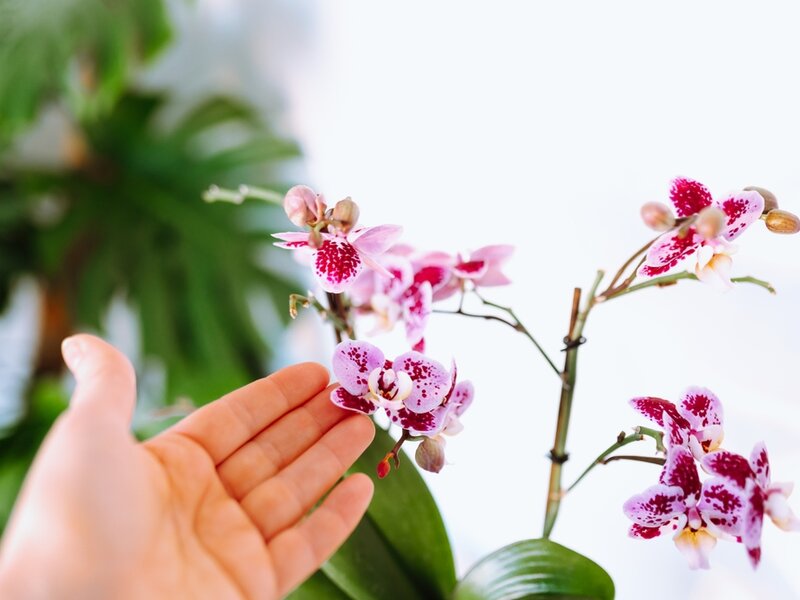
An orchid that takes a break after flowering isn’t necessarily sick. Depending on the species, a wide variety of factors can influence the next flowering cycle.
The most important factors are light, temperature, temperature differences between day and night, and species-specific needs. For some orchids, a cooler and drier dormant phase is important, while others—such as Phalaenopsis—do not require a distinct dormant phase. Insufficient light, improper watering, or a weakened plant can also hinder flowering.
Before taking any additional measures, it’s therefore worth doing a quick care check:
- Is the location bright enough?
- Is the temperature suitable for the orchid species?
- Is the plant being watered too often or too infrequently?
- Can excess water drain away properly?
- Does the specific species require a dormant period?
- Are there any signs of pests?
And sometimes, all it takes is a little patience. A new flower spike doesn’t always appear right away. That makes the moment all the more beautiful when new life suddenly becomes visible among the leaves.
An orchid that takes a break after flowering isn’t necessarily sick. Depending on the species, a wide variety of factors can influence the next flowering cycle.
The most important factors are light, temperature, temperature differences between day and night, and species-specific needs. For some orchids, a cooler and drier dormant phase is important, while others—such as Phalaenopsis—do not require a distinct dormant phase. Insufficient light, improper watering, or a weakened plant can also hinder flowering.
Before taking any additional measures, it’s therefore worth doing a quick care check:
- Is the location bright enough?
- Is the temperature suitable for the orchid species?
- Is the plant being watered too often or too infrequently?
- Can excess water drain away properly?
- Does the specific species require a dormant period?
- Are there any signs of pests?
And sometimes, all it takes is a little patience. A new flower spike doesn’t always appear right away. That makes the moment all the more beautiful when new life suddenly becomes visible among the leaves.
Conclusion on orchid care: Less is often more
Orchids don’t require complicated care. The right location is key. Proper watering keeps the roots healthy. Magic Orchidee provides additional strength to the plant, while the fermented garlic and chili extract can be used as a preventative measure against pest infestations.
And when the first buds start to appear again after a while, it becomes clear why a little attention to orchids is worth it: Good care leads to the joy of new blooms.
Orchids don’t require complicated care. The right location is key. Proper watering keeps the roots healthy. Magic Orchidee provides additional strength to the plant, while the fermented garlic and chili extract can be used as a preventative measure against pest infestations.
And when the first buds start to appear again after a while, it becomes clear why a little attention to orchids is worth it: Good care leads to the joy of new blooms.
Multiwissen - Barbara's effective tips for every home
In our blog series “Multiwissen—Barbara’s Effective Tips for Every Home,” discover the best advice from our expert Barbara Enengel for a sustainable home and a thriving garden. Whether you’re looking to clean your living space in an eco-friendly way or transform your garden into a blooming oasis, Barbara’s tips will enrich your everyday life. Stay tuned for inspiring stories and smart life hacks! Barbara Enengel studied agriculture at the University of Natural Resources and Life Sciences, Vienna. She is interested in natural cycles and ecological relationships in nature and the garden. She is particularly committed to creating a diverse and healthy habitat for people, animals, and plants—a principle she passionately puts into practice in her beautifully landscaped and ecologically managed garden.
This may also interest you …

Garden & Plants
In memory of Hilde Umdasch: “You have to contribute something positive to bring about positive change.”
With the passing of Hilde Umdasch, we have lost an impressive business leader who combined courage, humanity, and corporate responsibility. Back in 2014, we had the privilege of interviewing her for our then-current multikosmos magazine.
Beginner
8 minutes reading time
Garden & Plants
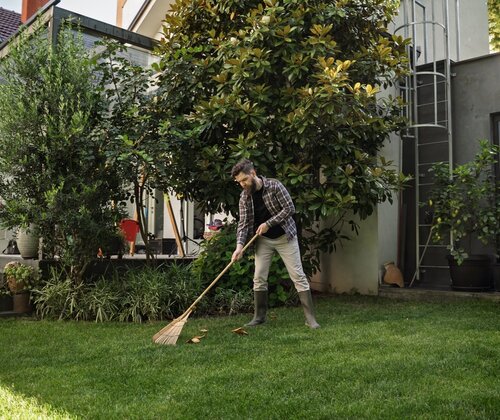
Multi-Knowledge: Fall lawn care - strengthen your lawn now and prepare it for winter
Brown blades of grass, bare patches, and a lawn that looks a bit worn out overall: Heat and prolonged dry spells can take a significant toll in the summer. But even if your lawn looks anything but healthy right now, there’s still plenty you can do. Fall is the ideal time to help your lawn recover and, at the same time, prepare it well for winter.
That’s because, while the intense heat is over, the soil is still pleasantly warm. Cooler temperatures and more frequent rainfall create good conditions for growth. The grass can recover, form new roots, and gradually fill in smaller gaps.
Beginner
6 minutes reading time

Garden & Plants
Multiknowledge: New and old wild fruits—hardy treasures for the natural garden
Wild fruit is experiencing a renaissance. What was once a common sight in farm and monastery gardens is now finding its place once again in natural gardens. Whether it’s cornelian cherry, serviceberry, or medlar—these old-fashioned trees and shrubs delight with their magnificent blooms, aromatic fruits, and hardiness. At the same time, they provide valuable food for bees, butterflies, and birds and create habitats right on your doorstep. With healthy soil and the support of Effective Microorganisms, they thrive and enrich the garden for many decades.
Beginner
6 minutes reading time
