Careers
The history of Multikraft
Naturally effective - since 1977
Since our founding, we have been working to strengthen natural cycles and develop resource-efficient solutions for agriculture, households, and the environment. What began with specialized animal feed has evolved over the decades into a holistic approach based on microorganisms. Take a look at the key milestones in our development.
Since our founding, we have been working to strengthen natural cycles and develop resource-efficient solutions for agriculture, households, and the environment. What began with specialized animal feed has evolved over the decades into a holistic approach based on microorganisms. Take a look at the key milestones in our development.
1977
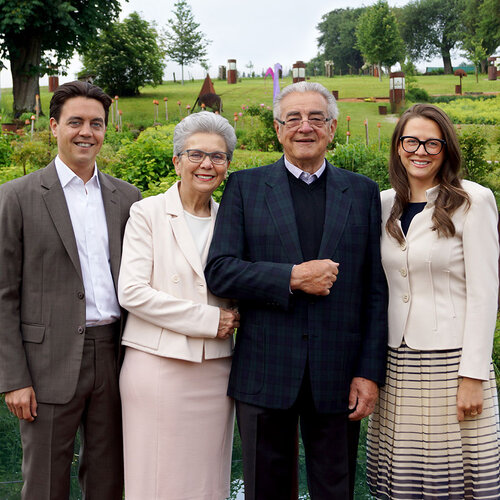
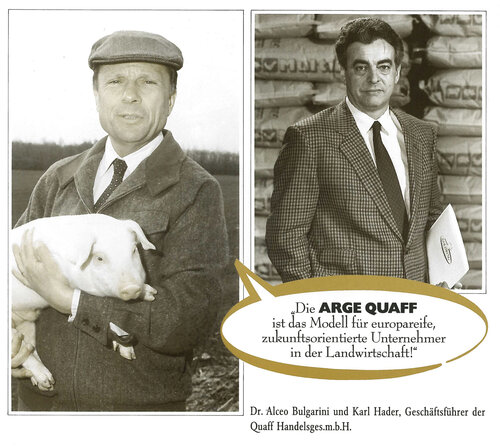
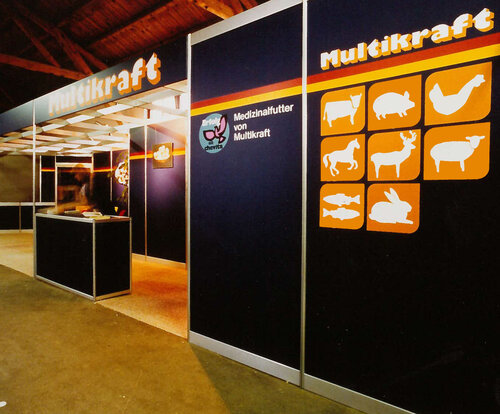
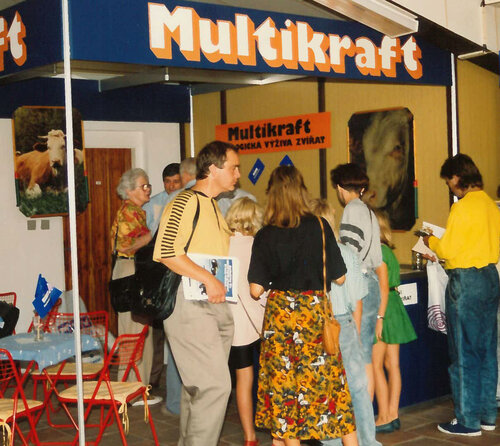
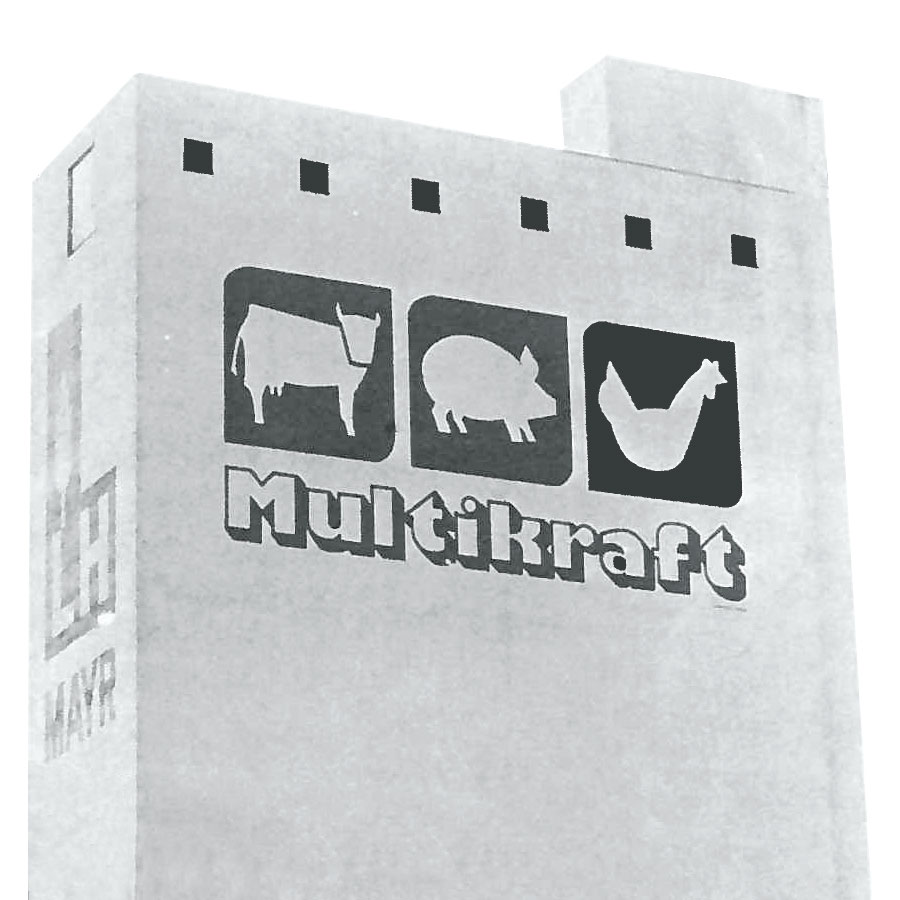
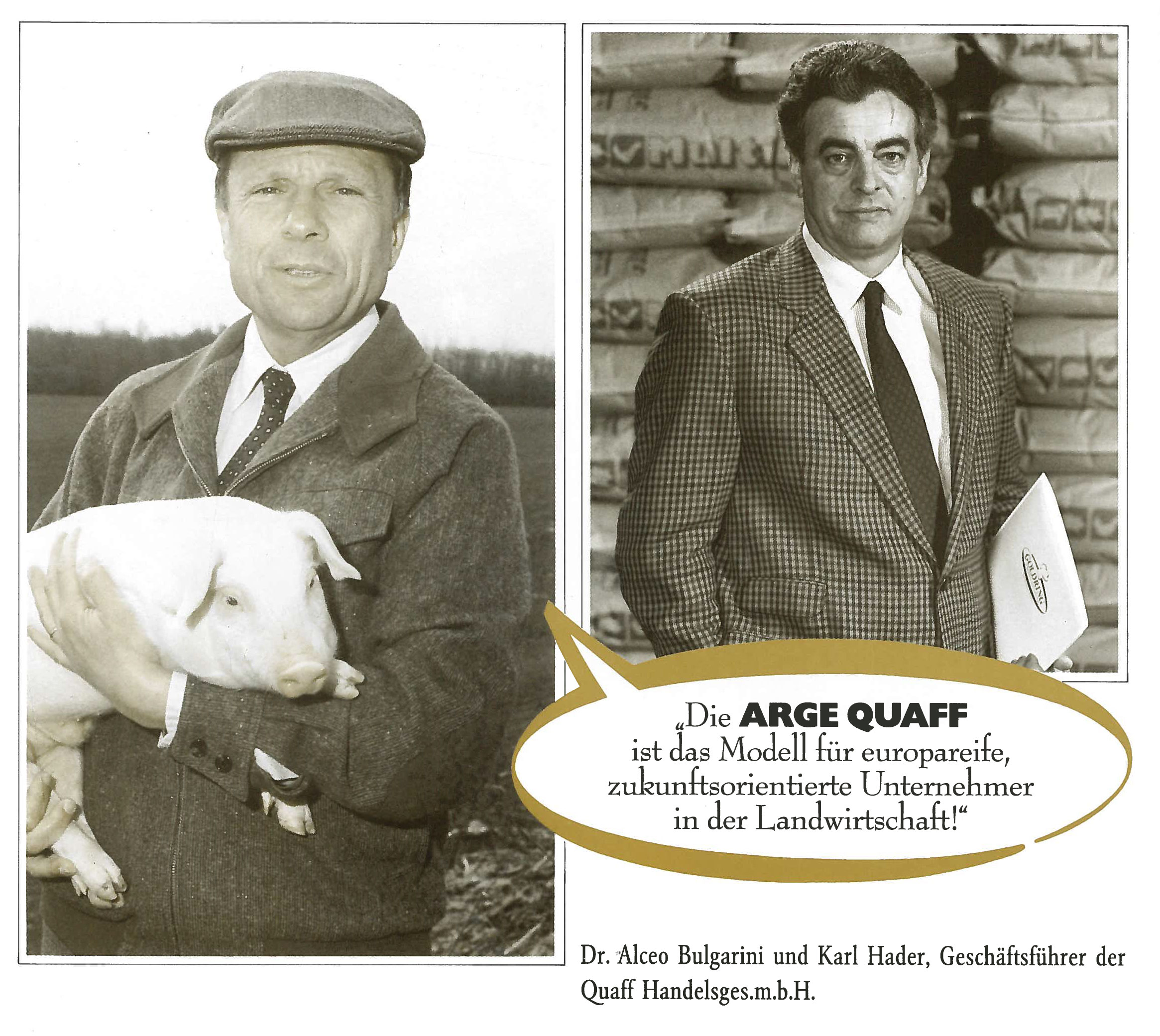
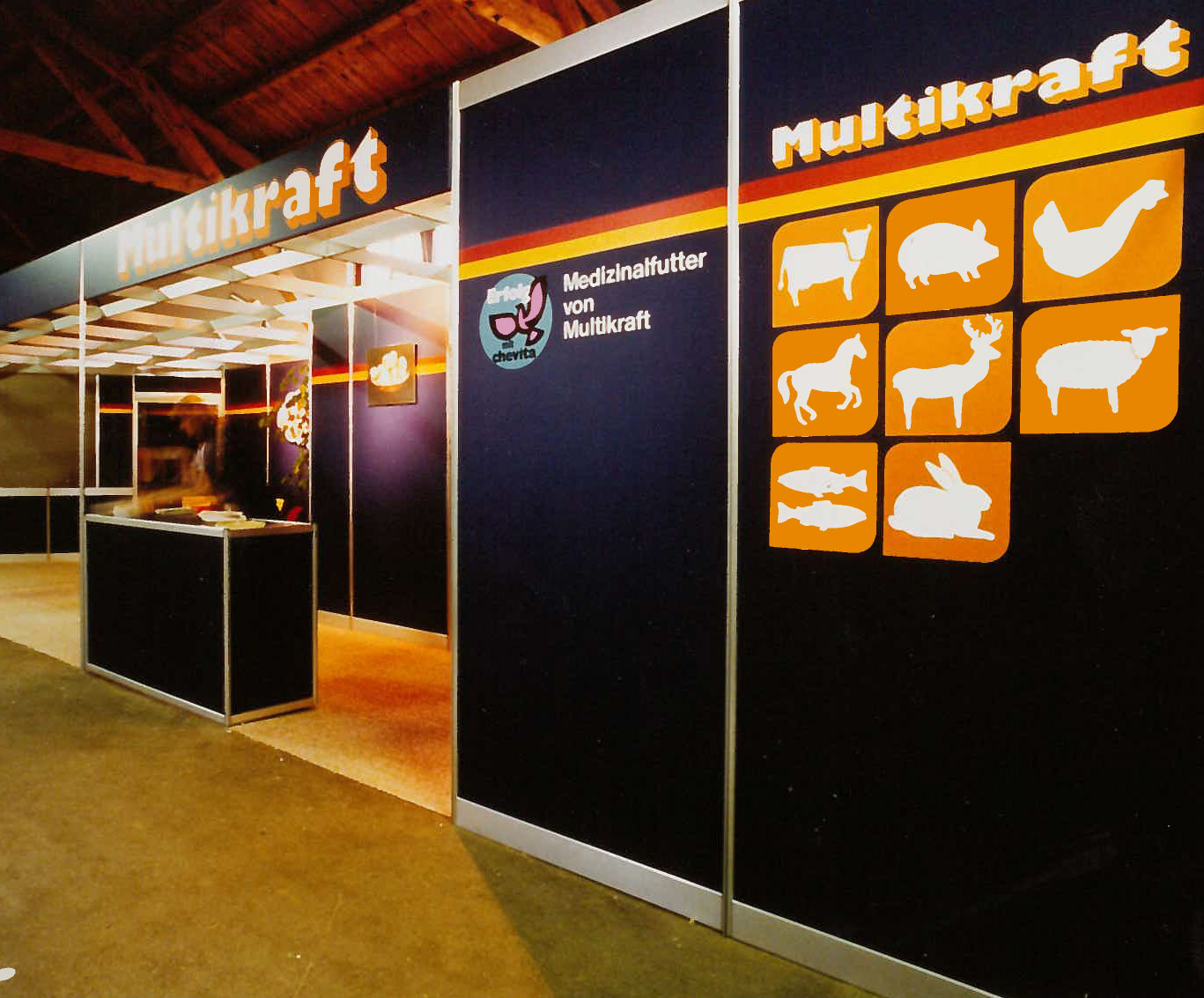
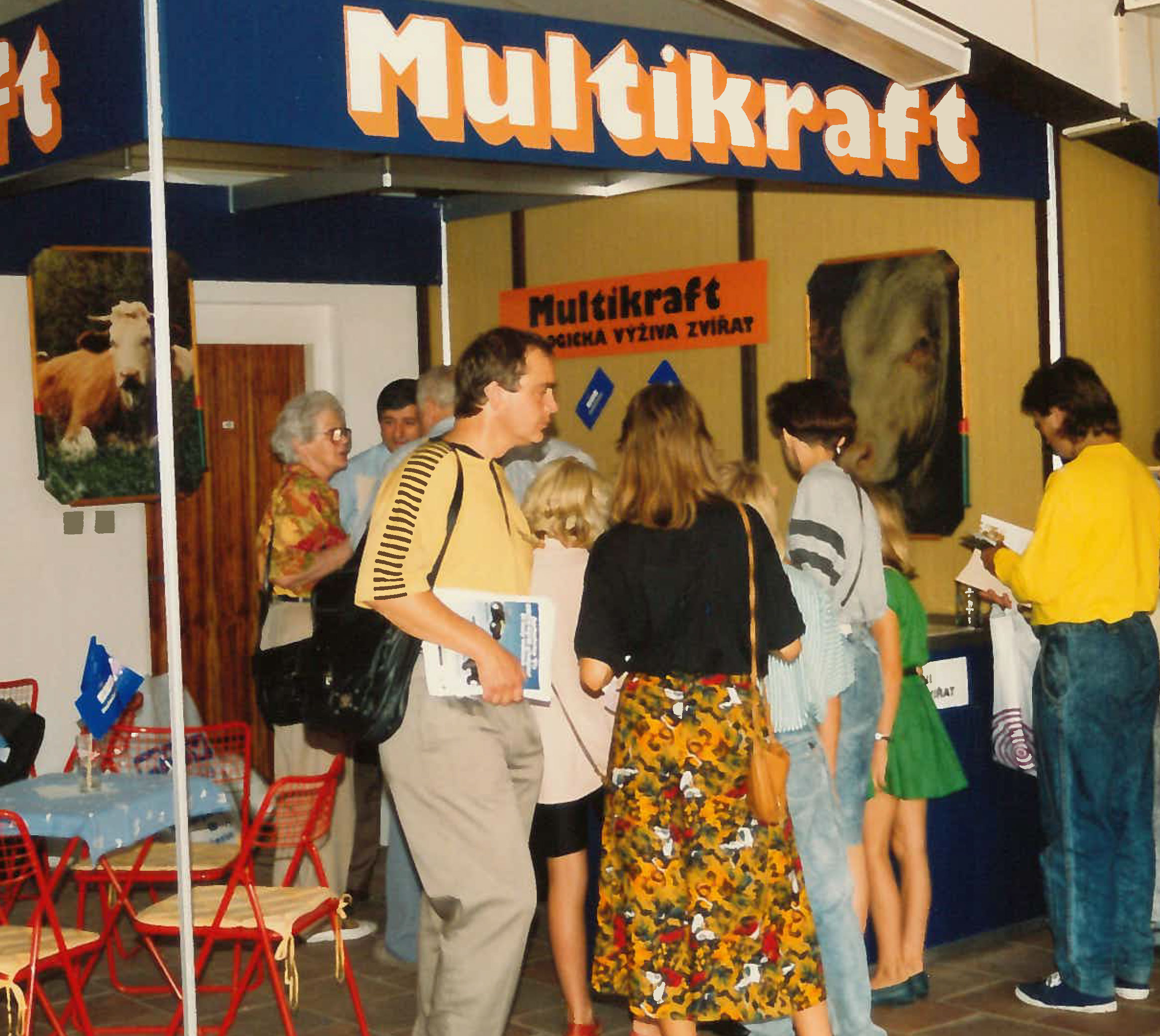
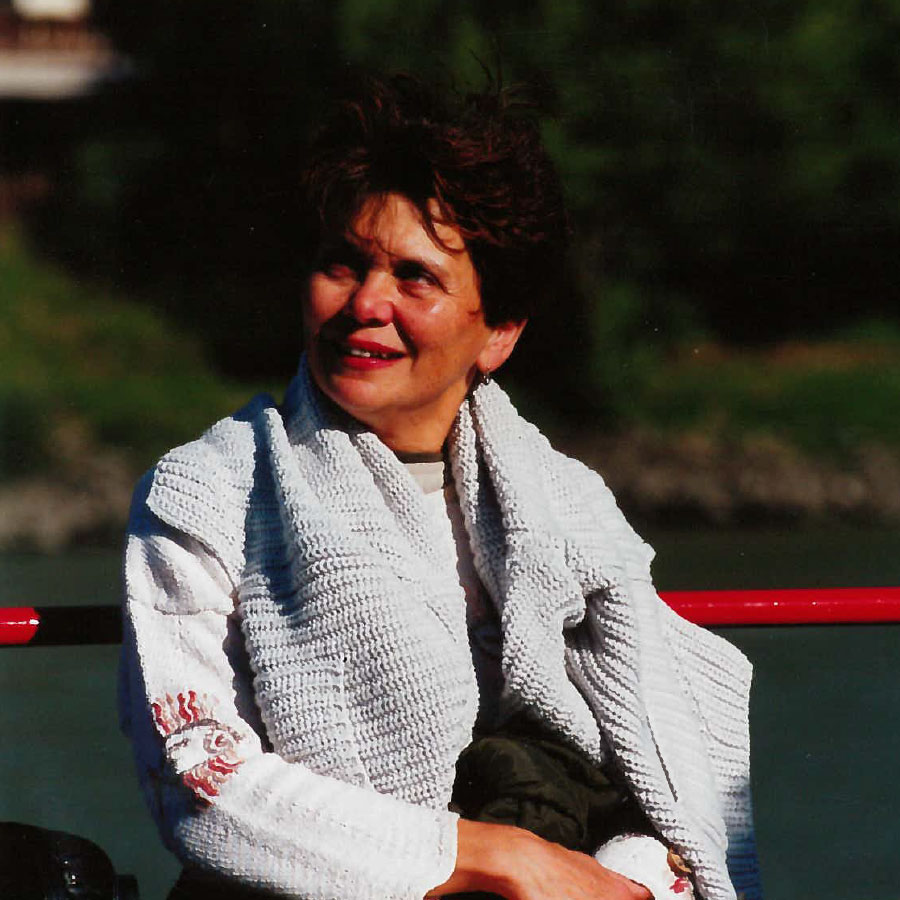
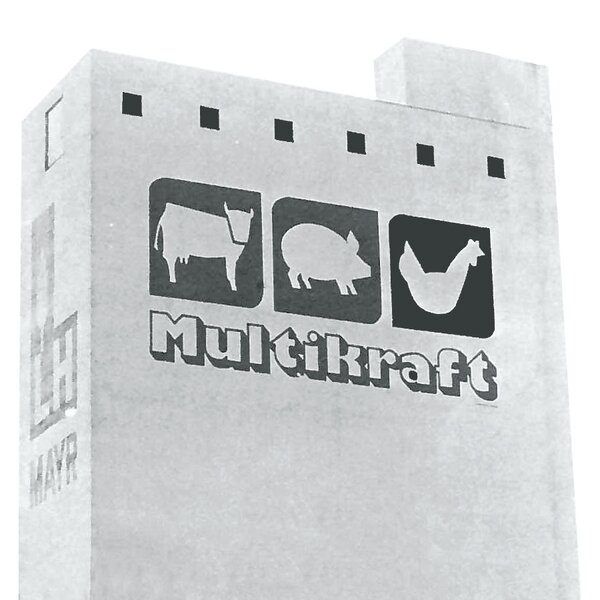
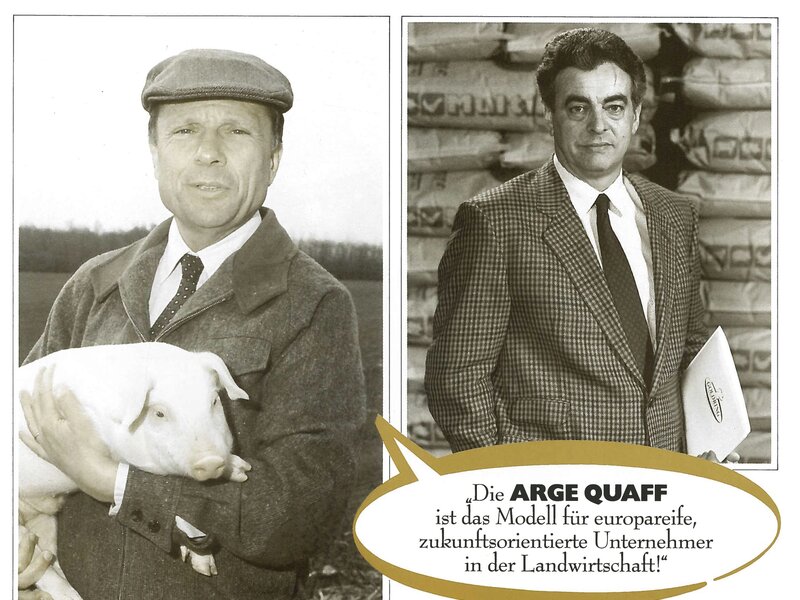
Karl and Ulrike Hader founded Multikraft, a company dedicated to the production and distribution of specialty feed for livestock.
1986
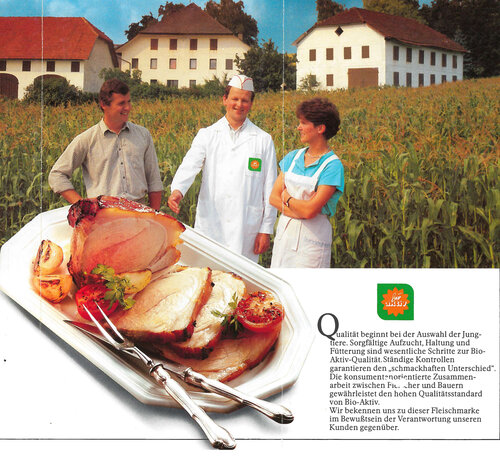
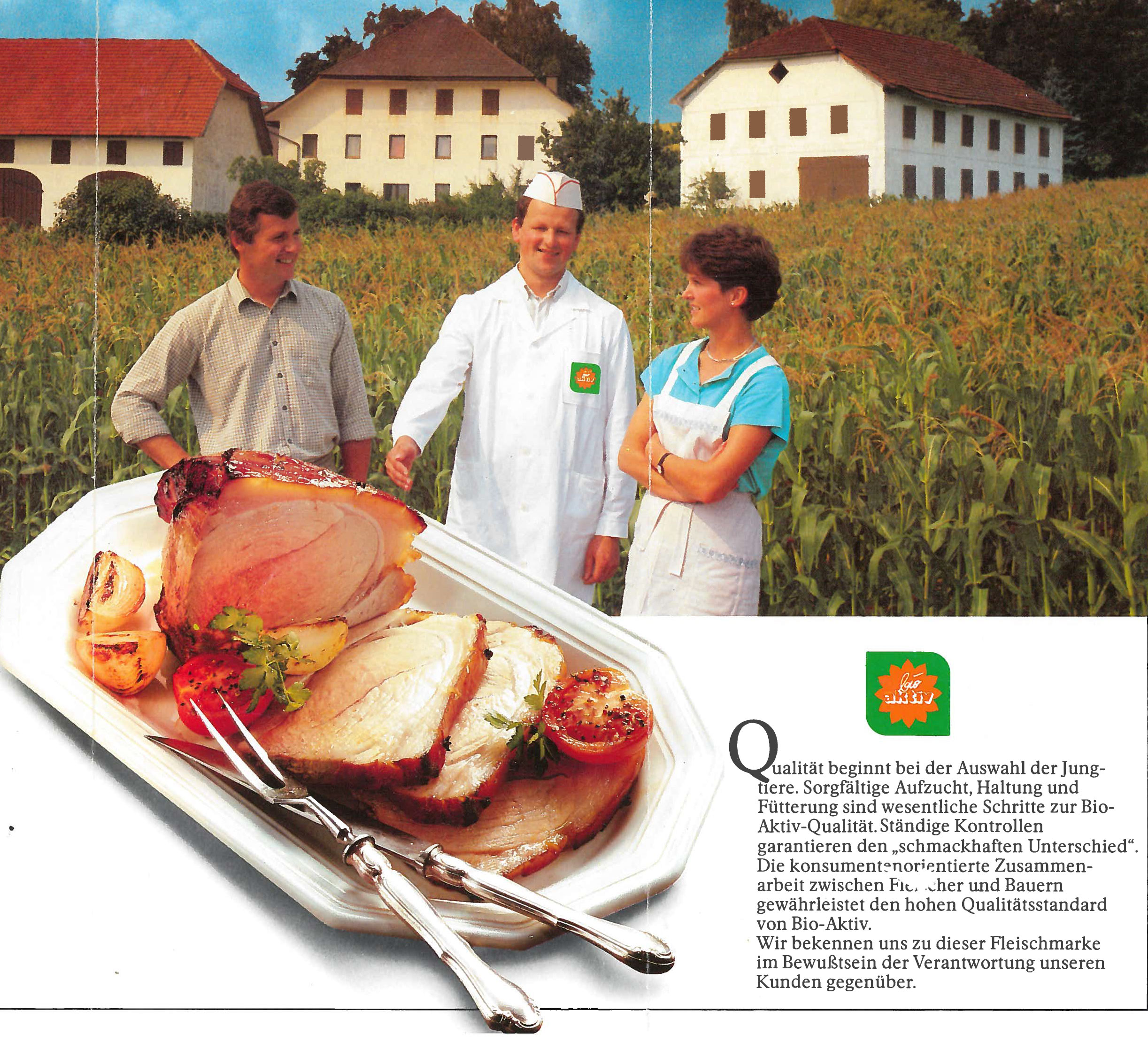
With its first Multikraft product based on microorganism technology, the company set new standards early on: As a pioneer in reducing antibiotic use in animal husbandry, Multikraft developed an antibiotic-free feed that was economically comparable to conventional products - at a time when those products still contained antibiotic performance enhancers.
1997
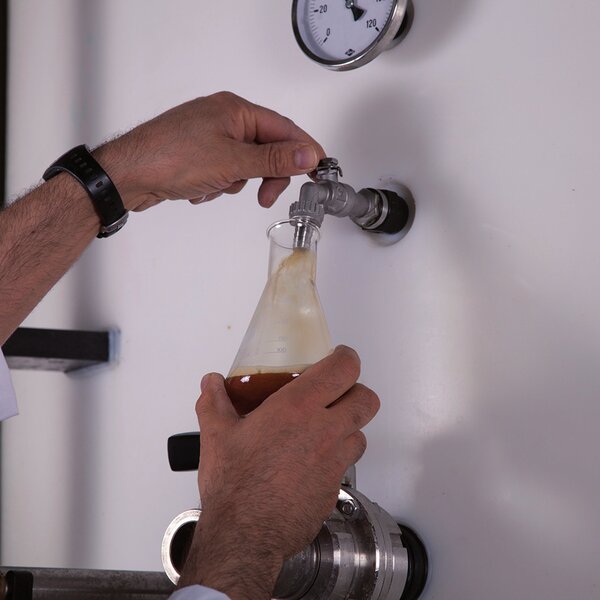
Through its ongoing search for new approaches that make a decisive contribution to restoring ecological balance, Multikraft first encountered the technology of “Effective Microorganisms.” Initial trials in animal husbandry using FKE (Fermented Herb Extract) as a feed supplement showed promising results and laid the foundation for further development.
1999
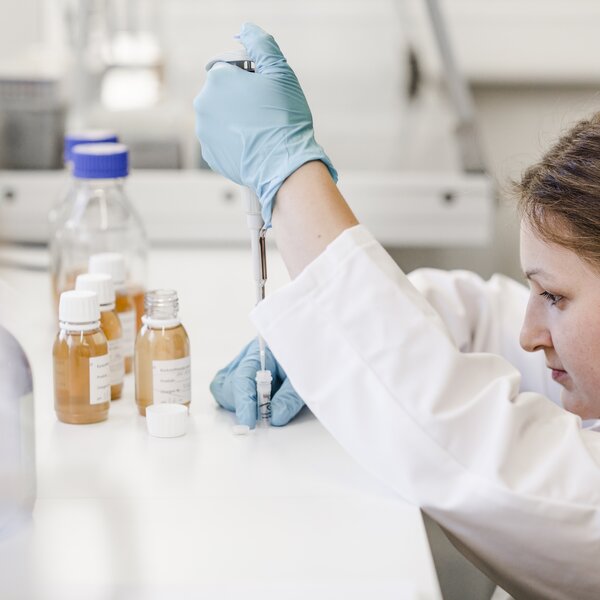
After two years of research and development, Multikraft is launching FKE (Fermented Herbal Extract) onto the market, thereby laying the groundwork for expanding into additional areas of application.
2007
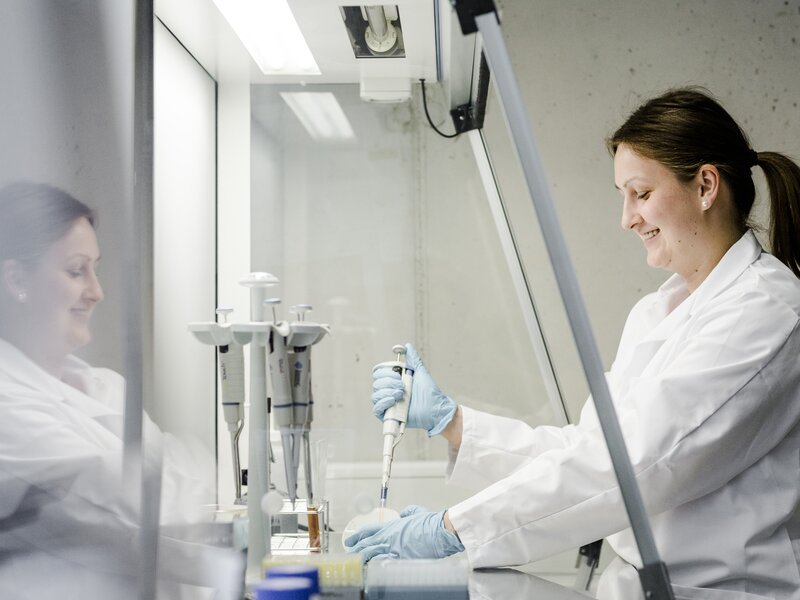
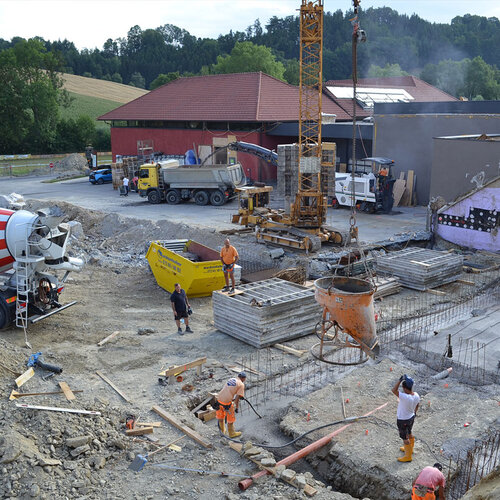
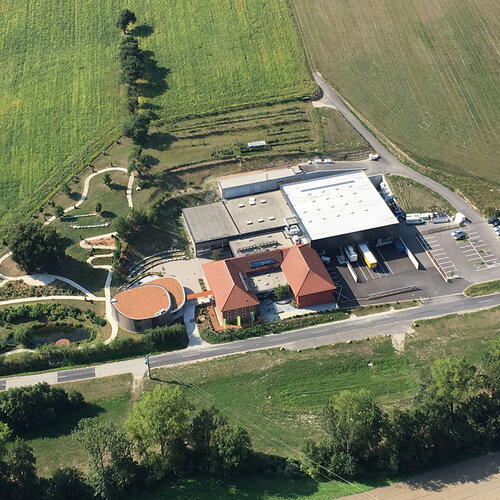
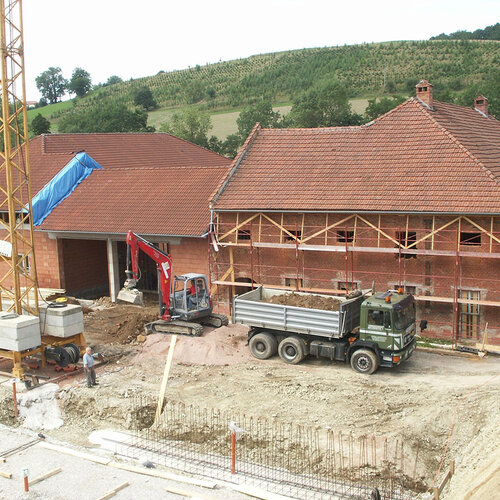
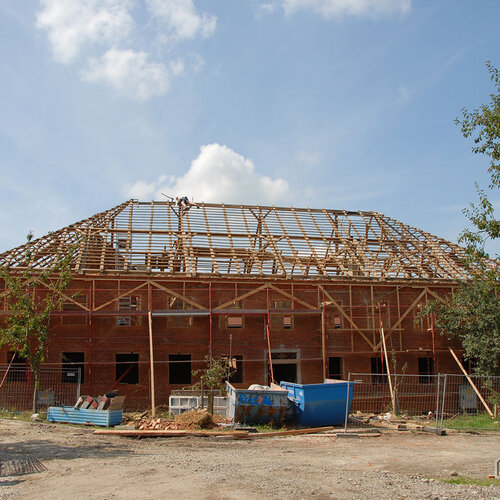
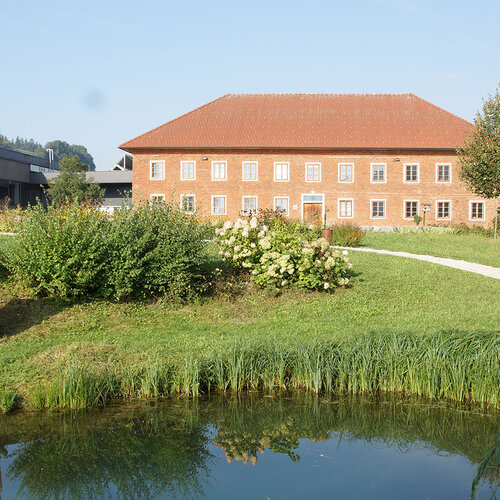
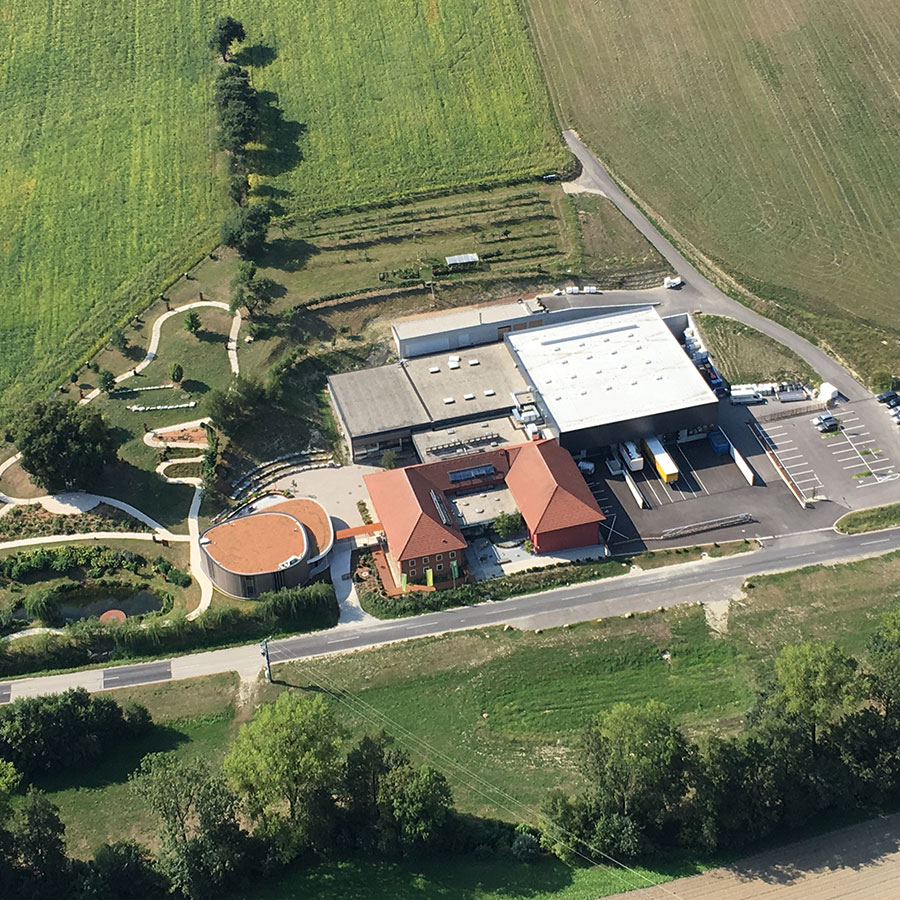
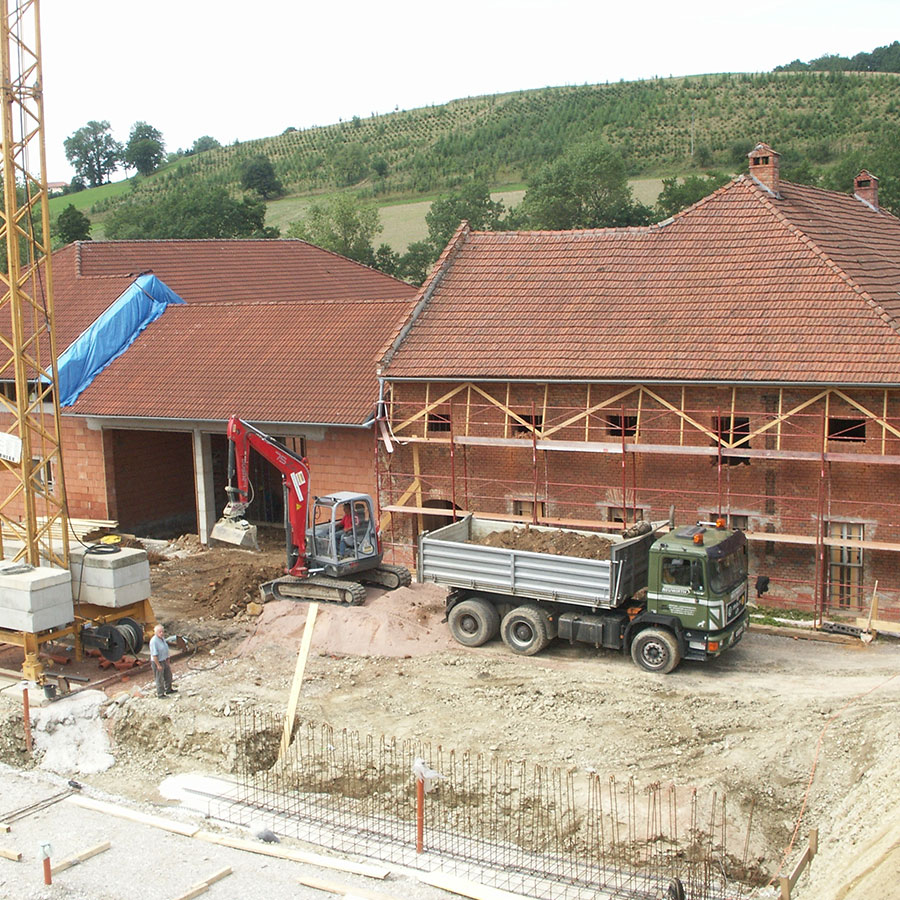
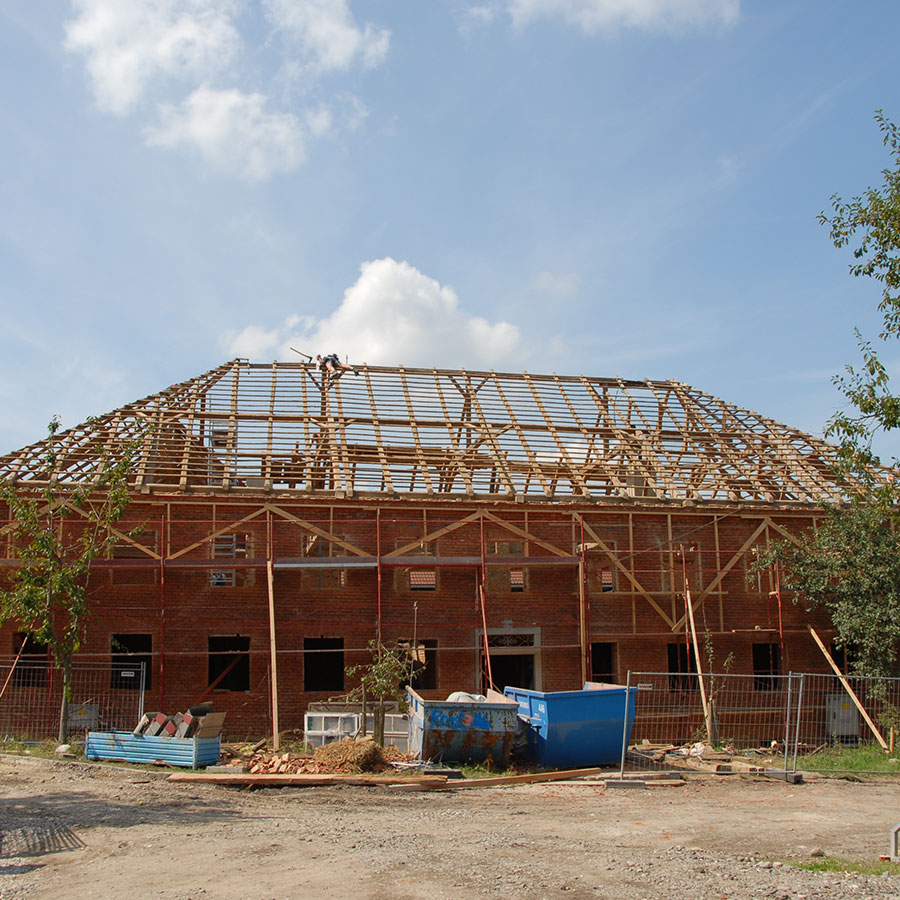
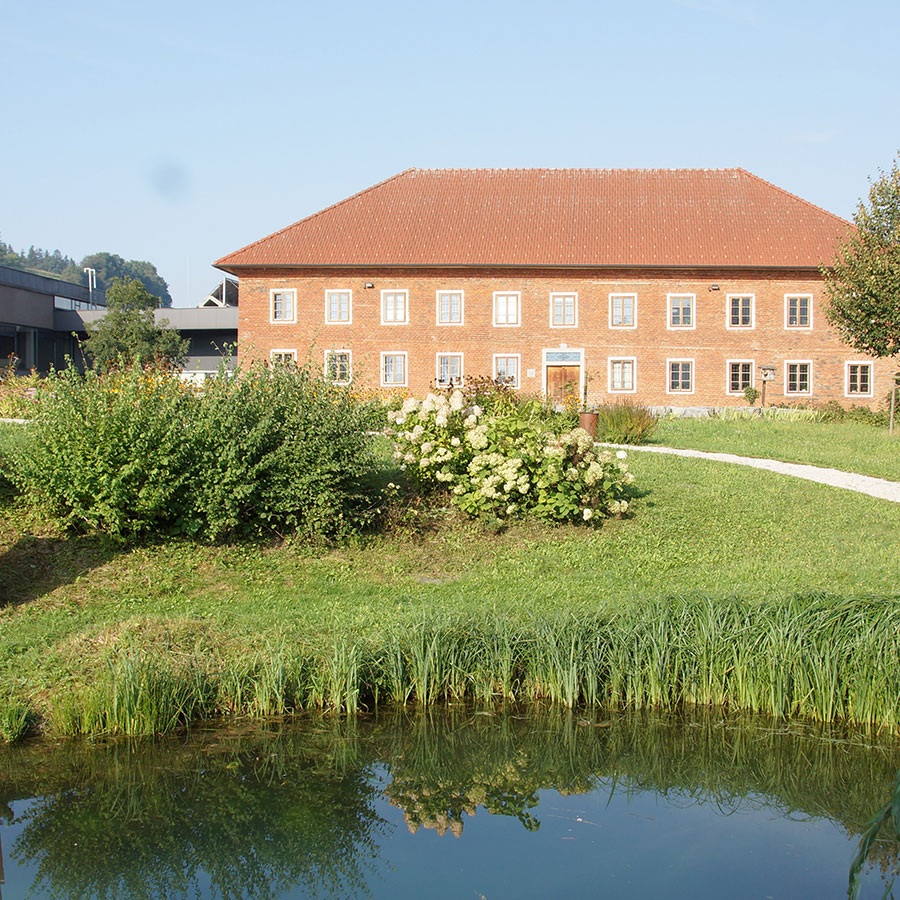
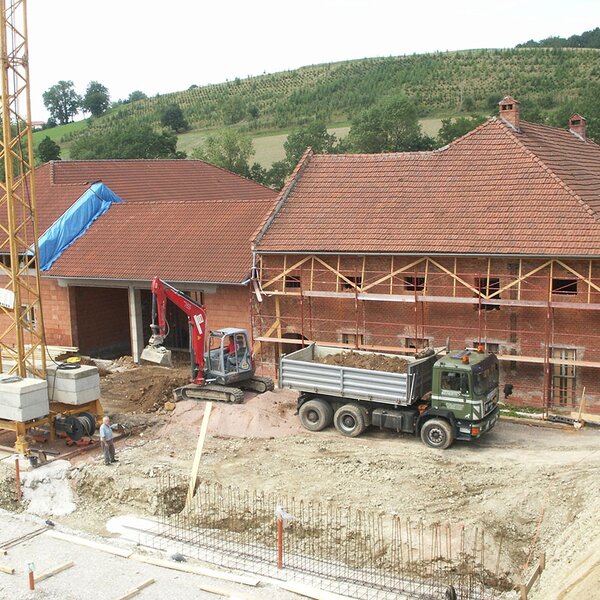
The 350-year-old Stumpflhof in Upper Austria will become Multikraft’s new corporate headquarters. Following the restoration and renovation of the farm, a modern production facility - including laboratory spaces for manufacturing products containing microorganisms - will be built. Annual production in 2007 amounted to approximately 50,000 liters of microorganism solution.
2011
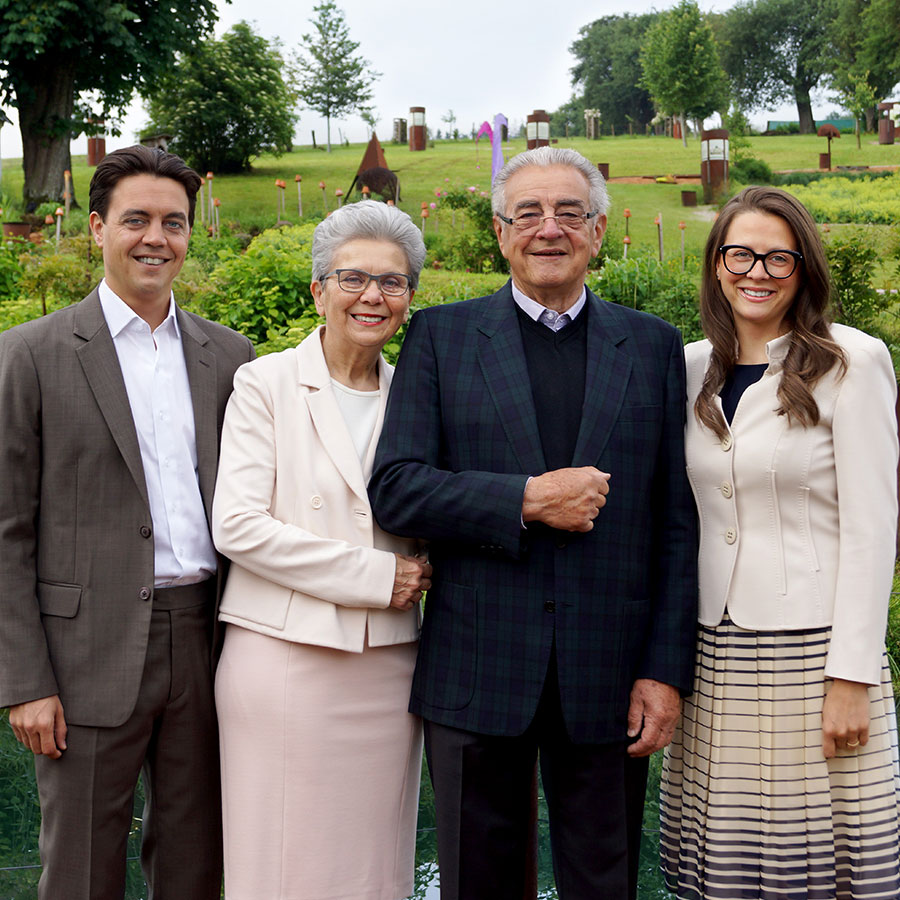
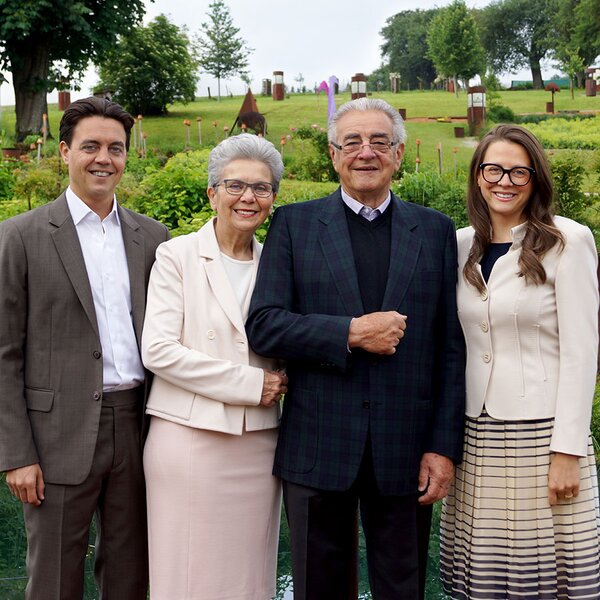
Lukas Hader, the son, is taking over the management of Multikraft together with his mother, Ulrike Hader.
2014
The founding of Multikraft Probiotics Australia will further drive the company’s international expansion. As a result, sales will be expanded to 25 countries worldwide, including through subsidiaries in Italy and Australia.
2017
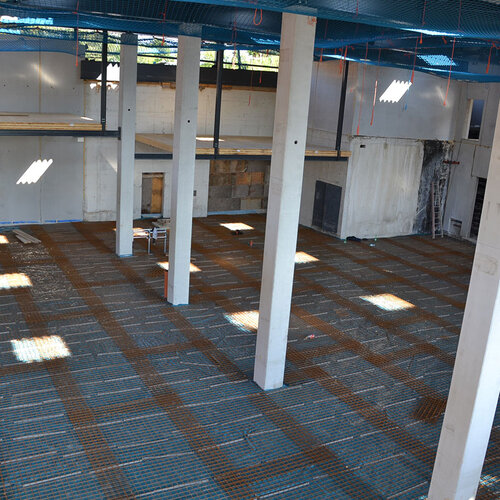
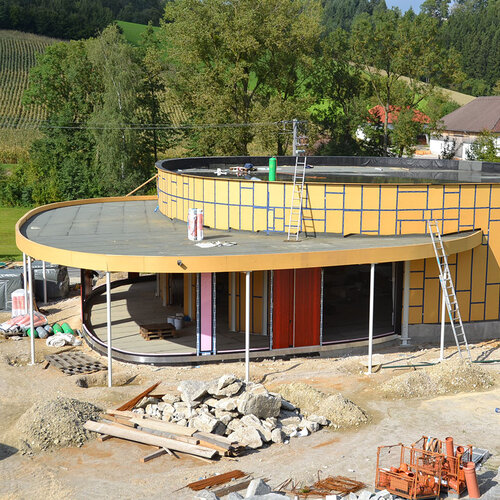
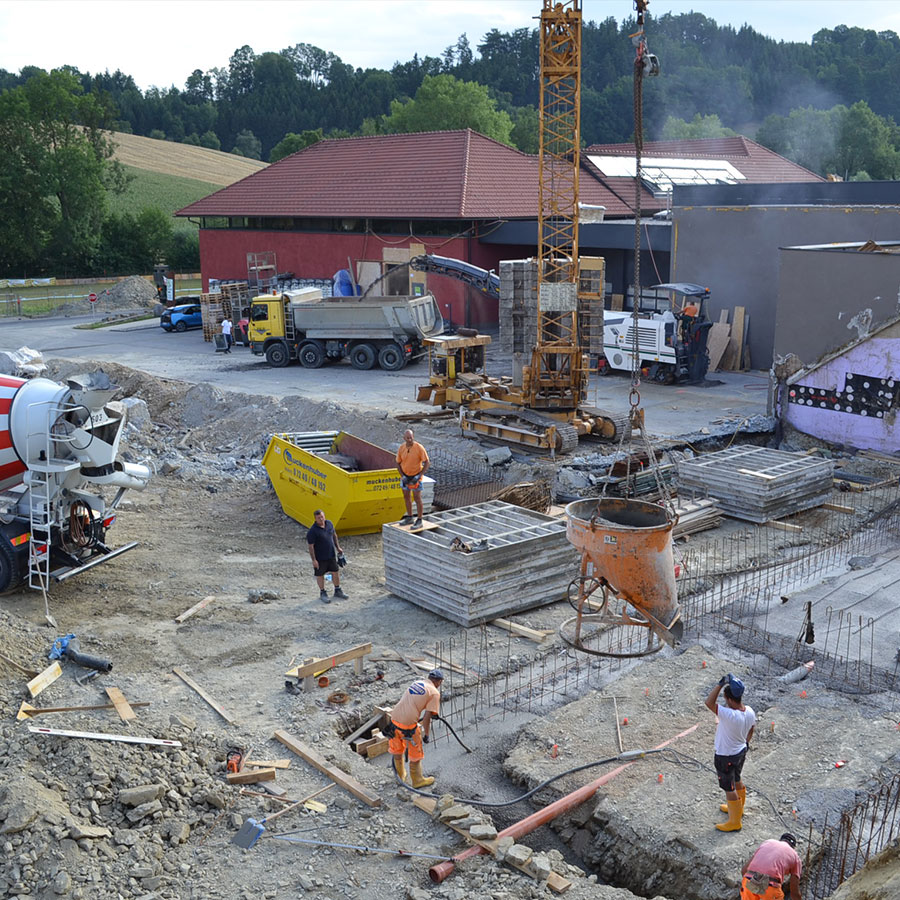
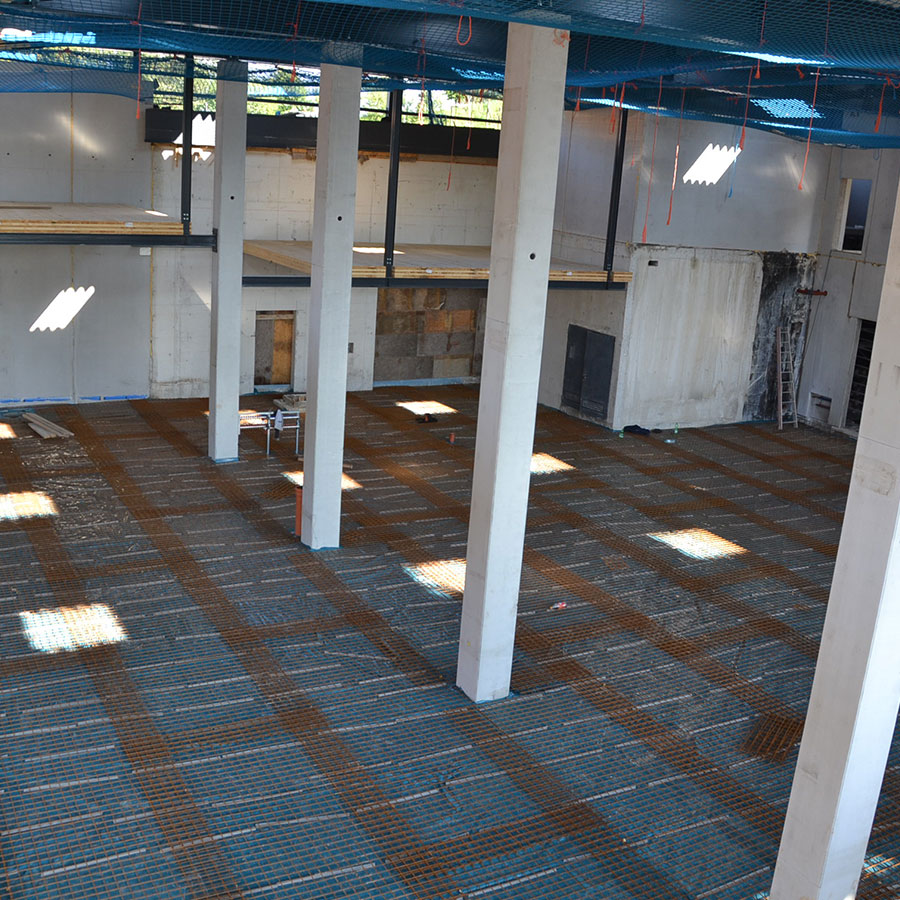
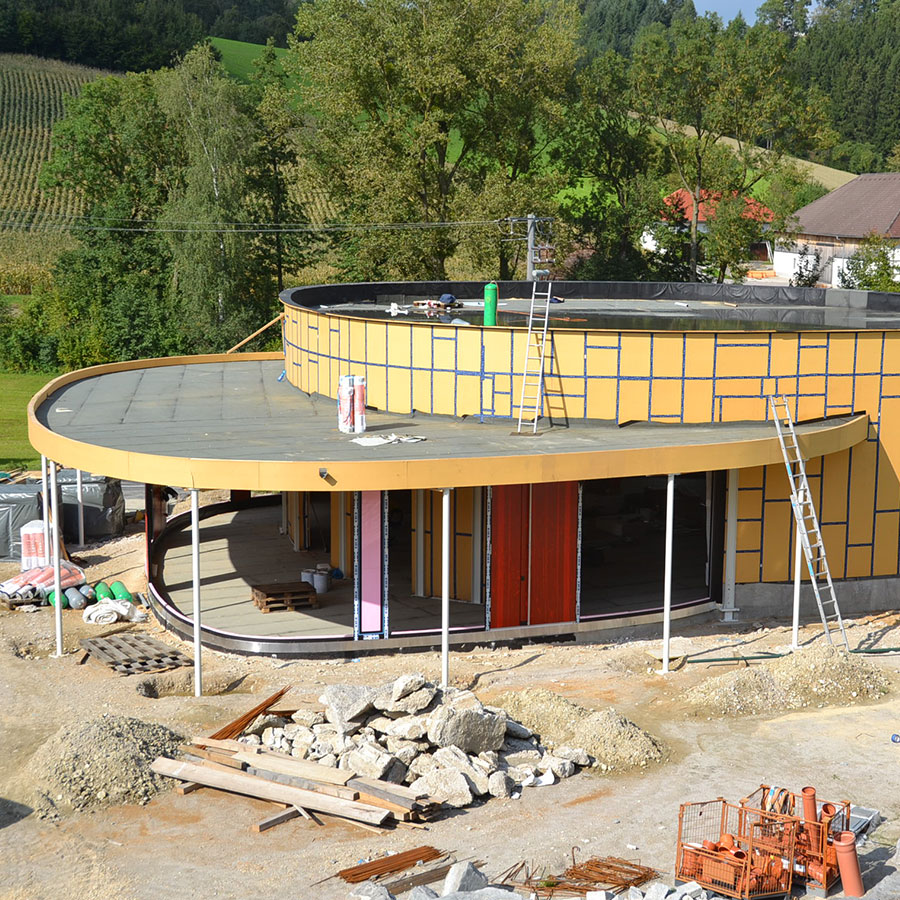
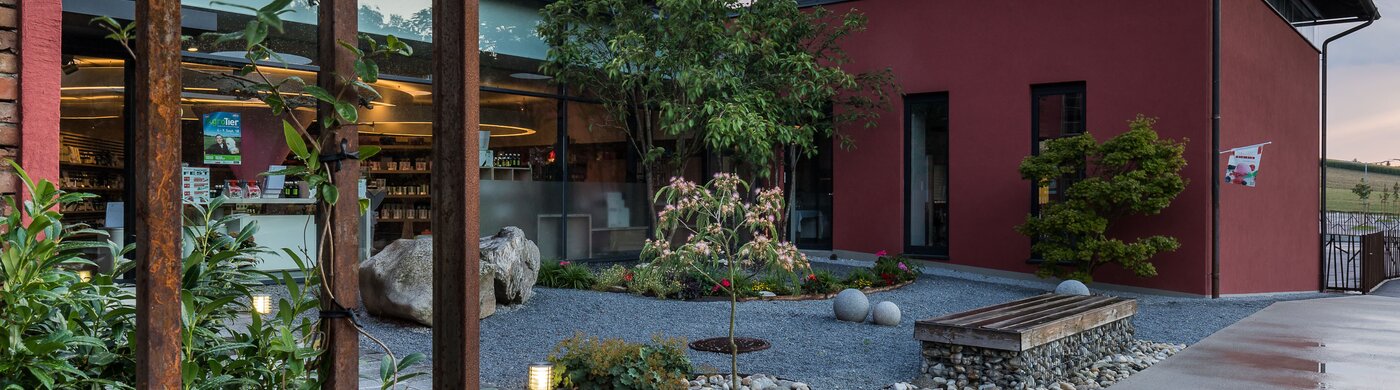
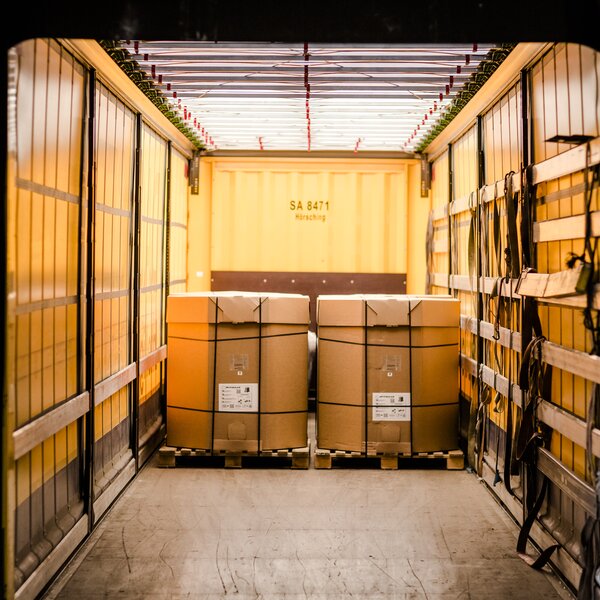
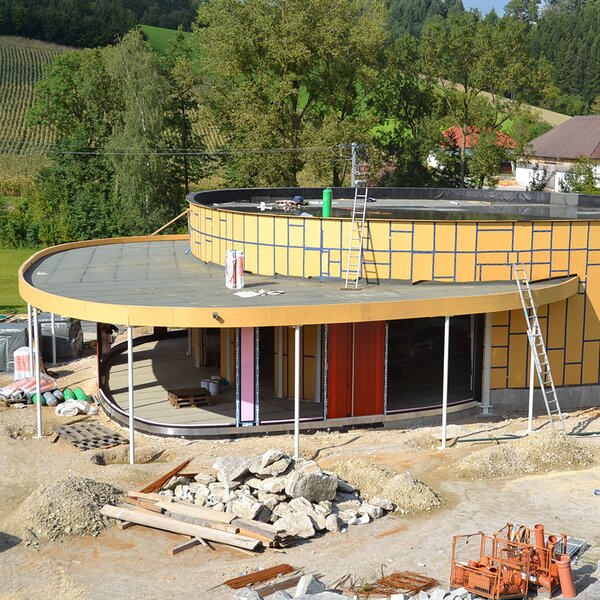
Production and logistics are being comprehensively expanded and modernized, while new office and employee spaces are being created. The Multikraft Pavilion is creating a new venue for seminars, lectures, and events. Expansions in heating technology, the energy system, and fermentation capacity, along with an automated production facility, now enable a daily production of up to 50,000 liters of microorganism solution.
2020
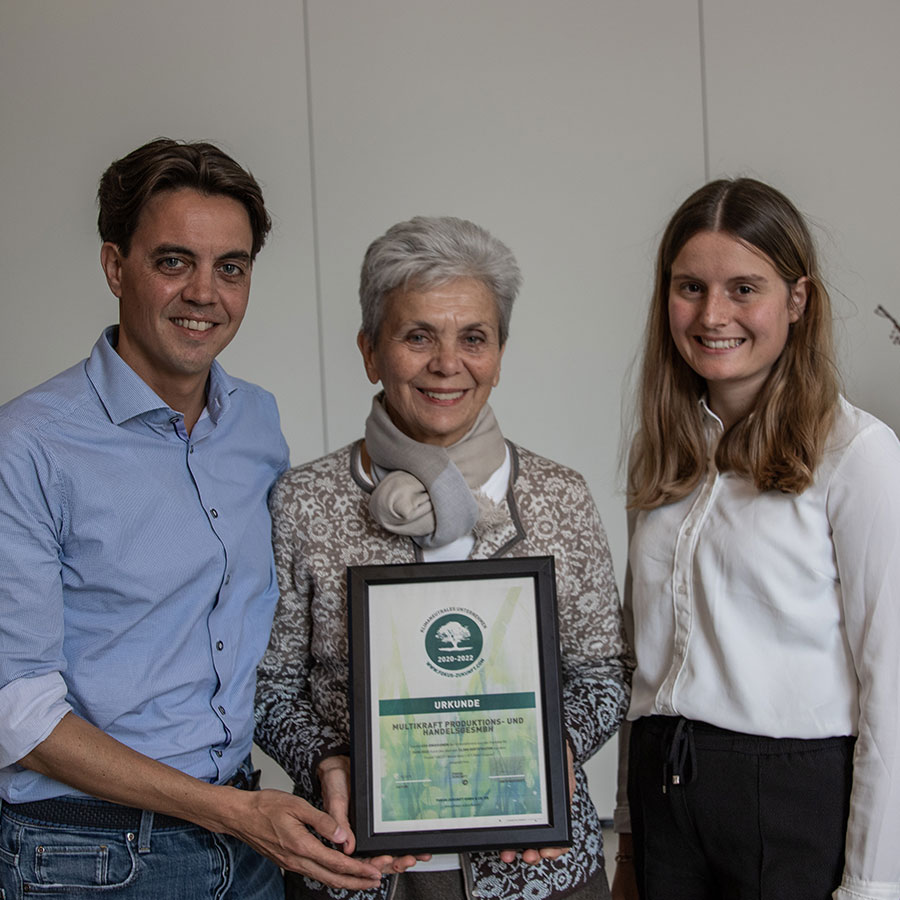
Multikraft is continuously working to reduce greenhouse gas emissions and design processes that conserve resources. Electricity and heat come from renewable energy sources, and even for printed materials, attention is paid to environmental criteria such as recycled paper and certified processes. As a Climate Alliance partner company, Multikraft also pursues a long-term, evaluated climate strategy at its site.

2021
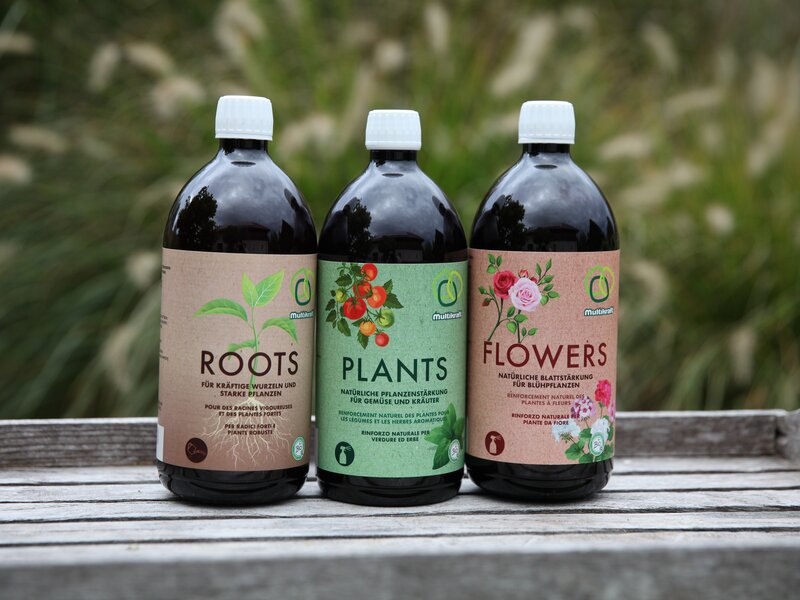
Expansion of the gardening product line: For the first time, Multikraft is developing all-in-one products that combine microorganisms with organic acids and fermented plant extracts. This results in holistic solutions designed to promote soil fertility, plant growth, and natural resilience.
2022
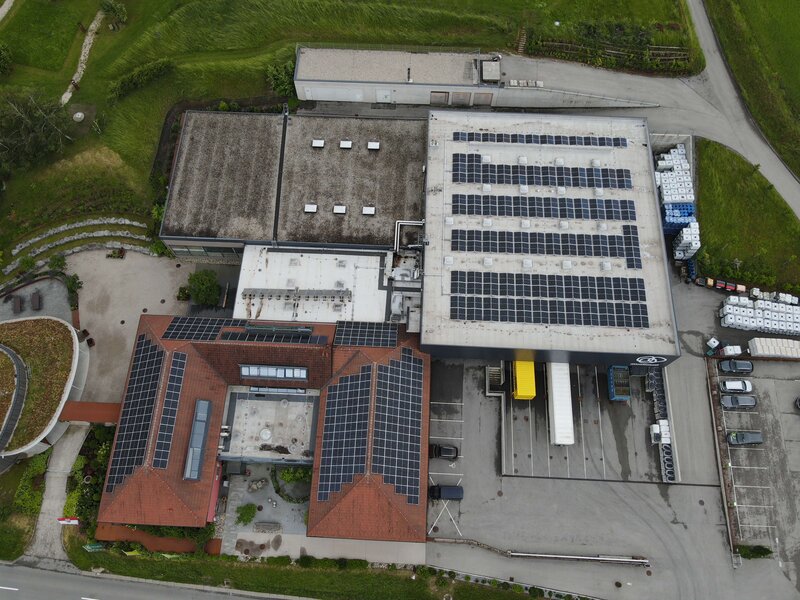
Construction of a 2,000-square-meter photovoltaic system at the company’s site. With a total capacity of 200 kilowatts peak (kWp), Multikraft already covers approximately 50 percent of its annual electricity needs, bringing it a significant step closer to its goal of complete electricity self-sufficiency.
2023
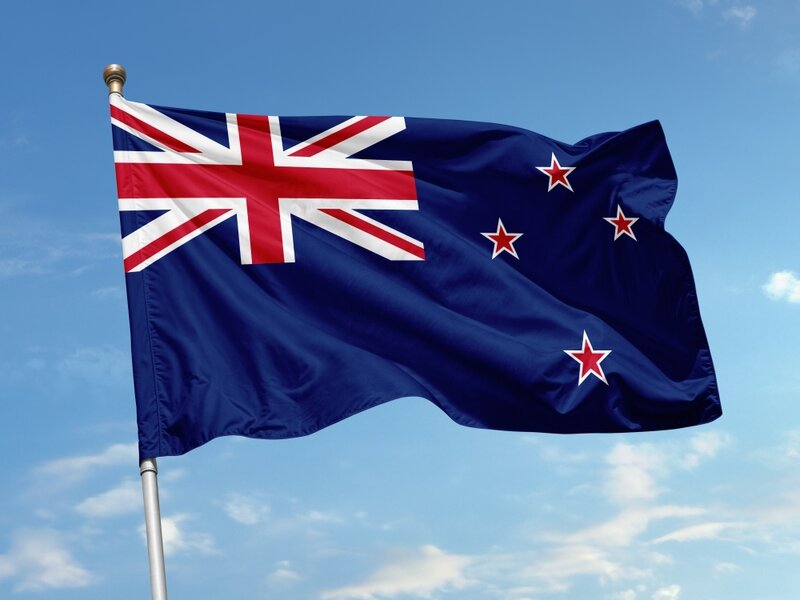
Establishment of a subsidiary in New Zealand as a further step in the company's international expansion. Multikraft products are now available in 35 countries worldwide.
2024
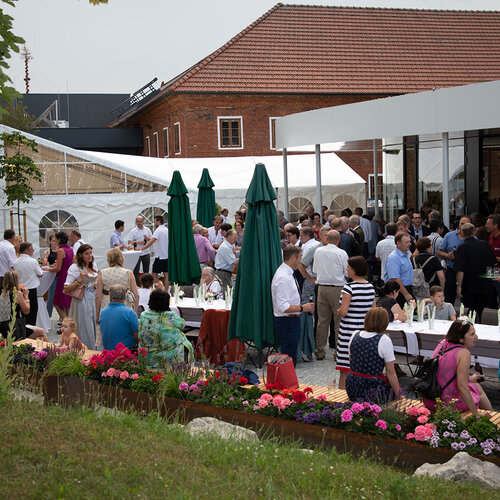
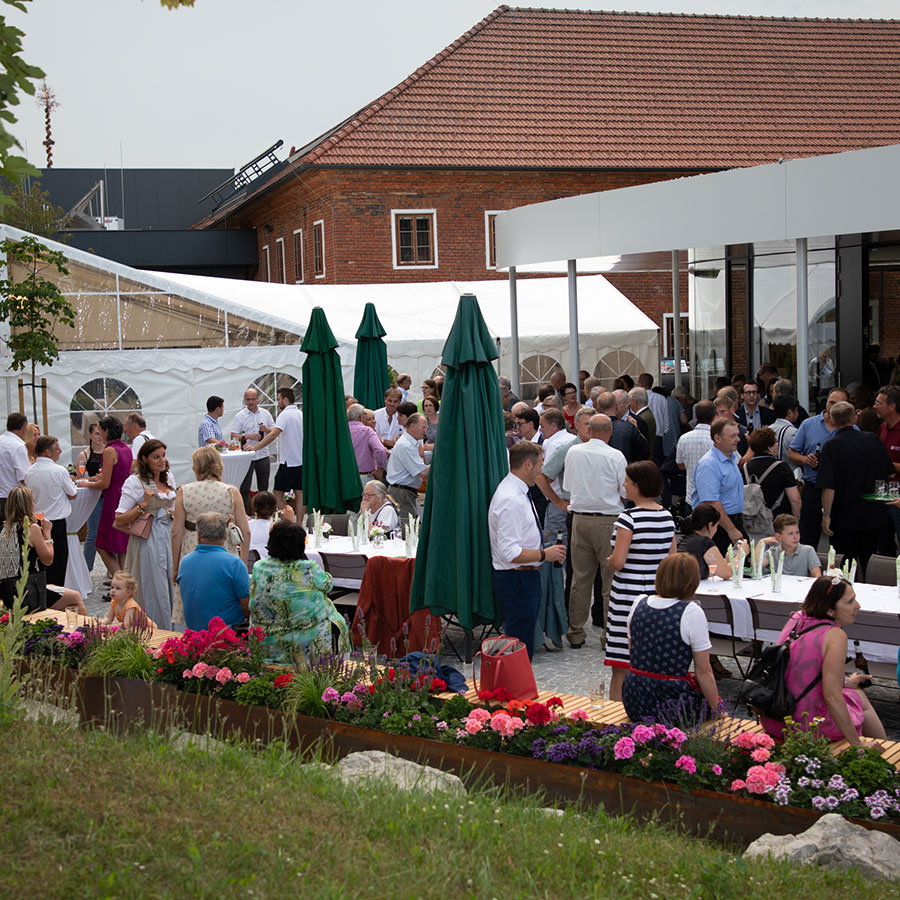
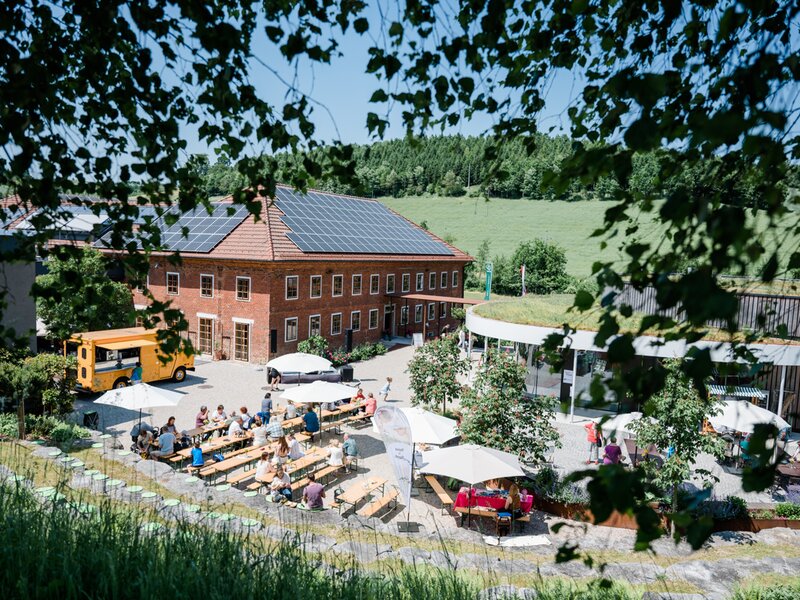
The traditional Multikraft Advent Market is now in its 15th year and has become a staple of the annual calendar. The Nature Festival has also established itself as a recurring event. In addition, Multikraft regularly organizes lectures and industry events and consistently welcomes groups of visitors to its company headquarters.
2025
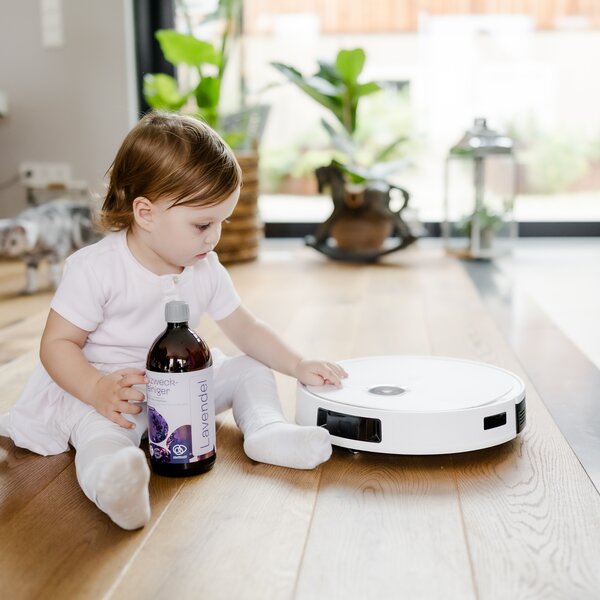
Comprehensive relaunch of the probiotic cleaners: In addition to an overhaul of the design and product names, the formulation is also being further developed. It is now based primarily on organic ingredients - in line with the goal of combining effective and sustainable cleaning.
2026
Redesign of the agricultural product line—Multikraft’s core area of application. The products are being strategically refined and tailored even more specifically to the needs of modern, sustainable agriculture.