Careers
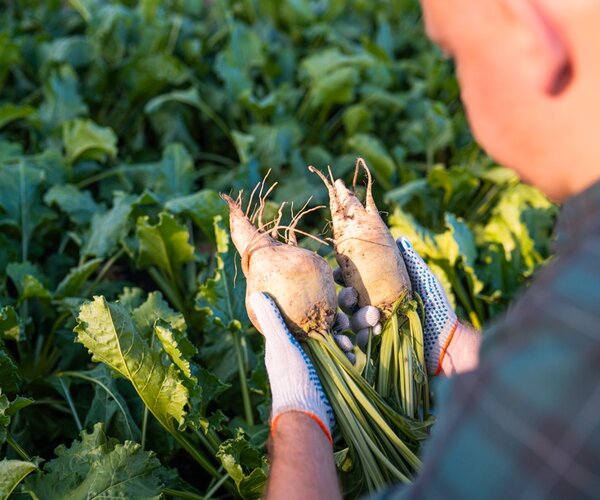
Land creates life: Sugar - From Luxury Item to Everyday Product
Whether in cakes, muesli, spreads, or beverages, sugar is an indispensable part of our diet. But what seems so commonplace today was once something quite special. Until well into the Middle Ages, honey was the only sweetener in Austria. It wasn’t until later that beet and cane sugar found their way into our kitchens. The Land schafft Leben association explains the journey the beet takes from cultivation to the sugar aisle and how production works in Austria.
Beginner
7 minutes reading time
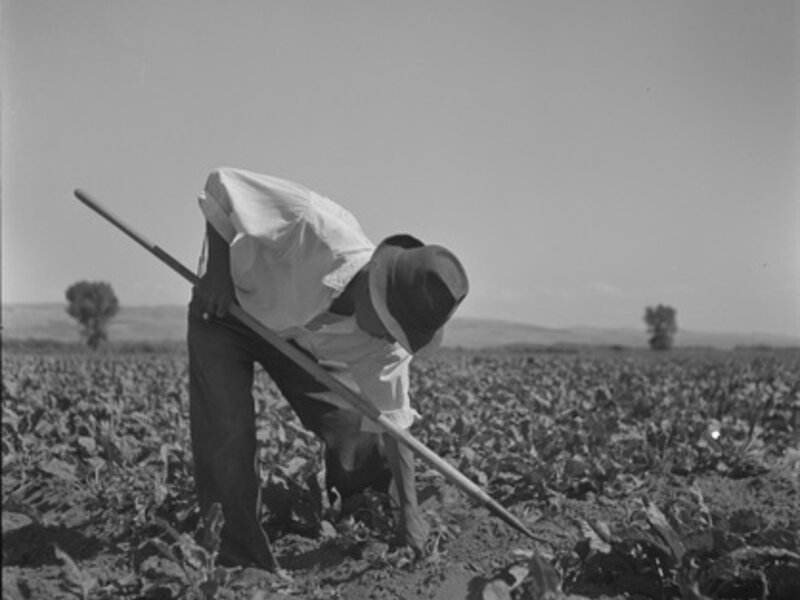
A look back at history reveals that, for many millennia, sugar came almost exclusively from sugarcane. Although it originated in East Asia, it reached Europe via the Middle East in the 11th century and remained an expensive luxury item in Austria for a long time, one that few could afford.
The major turning point came in 1747: A German chemist discovered that sugar beets also contain sugar—exactly the same as in sugarcane, namely sucrose. Through selective breeding, the sugar content rose from around two percent to about five percent within a few decades. By comparison, today it reaches up to 20 percent. As a result, sugar beet cultivation eventually became attractive in Austria as well, and the first sugar factories were established in the early 19th century.
Over time, the sugar beet became an important part of agriculture. Sugar became cheaper and more readily available, and what had been a luxury item for the few turned into a completely ordinary everyday product that is now an indispensable part of our diet.
Good to know: In Austria, sugar is produced in Tulln. This single facility alone produces more sugar than the national average annual per capita consumption.
Good to know: In Austria, sugar is produced in Tulln. This single facility alone produces more sugar than the national average annual per capita consumption.
From Beet to Crystal: How Sugar Is Made
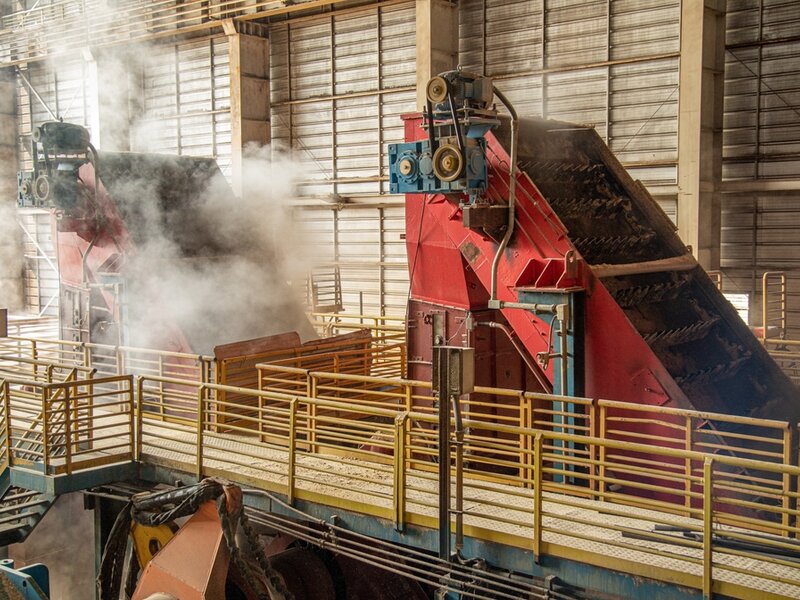
But how exactly is sugar made from a beet? In the factory, it all starts with cleaning: The beets are washed and any stones are removed. They are then cut into thin strips. In hot water, the cell walls break down, the sugar dissolves, and what is known as raw juice is produced.
This is purified and concentrated. By further heating the concentrated juice, the familiar sugar crystals eventually form. In a rapidly rotating drum, these are separated from the molasses—a dark, thick syrup. The molasses is also put to further use, for example in the production of yeast, as animal feed, or for the production of bioethanol—an environmentally friendly alternative to fossil fuels that is primarily used as vehicle fuel. What remains are sugar crystals, which are stored in huge silos and which we ultimately stir into our coffee blend, among other things.
Note: Sugar beet syrup is often confused with molasses, as the two look very similar. Syrup is produced when the pressed and purified raw juice is repeatedly concentrated without forming sugar crystals. Molasses, on the other hand, is a byproduct left over at the end of the sugar-making process, after most of the sugar has crystallized out.
Note: Sugar beet syrup is often confused with molasses, as the two look very similar. Syrup is produced when the pressed and purified raw juice is repeatedly concentrated without forming sugar crystals. Molasses, on the other hand, is a byproduct left over at the end of the sugar-making process, after most of the sugar has crystallized out.
The independent and non-partisan association “Land schafft Leben” aims to raise awareness of food produced in Austria. In a transparent and unbiased manner, Land schafft Leben showcases food production along the value chain on its website www.landschafftleben.at and through numerous other channels. To date, the association has published research on 20 food products as well as numerous background reports on Austrian agriculture and other food-related sectors.
All content is freely accessible at www.landschafftleben.at.
This may also interest you …
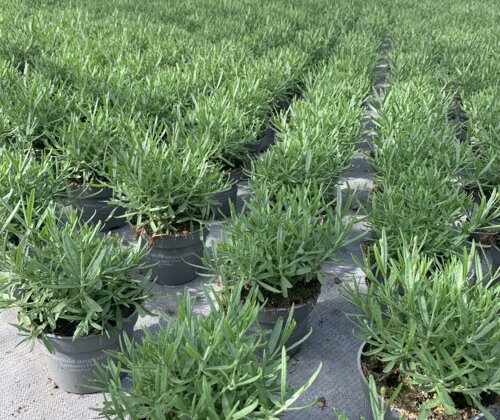
Multikosmos: Where the Lavender Blooms - A Story of Courage, Change, and the Power of Nature
Anyone who grows lavender knows that behind this plant’s apparent hardiness lies a delicate soul. Heat, humidity, stress—even minor factors are enough to sap the vitality from these fragrant purple wonders. For the van Adrichem family from Germany, lavender has long been more than just a product. They have been passionately cultivating ornamental plants for over 65 years. For them, lavender represents tradition, fragrance, summer—and the knowledge that nature and craftsmanship can exist in harmony. Our conversation with Mareike van Adrichem offers insight into the company’s history, its success, and how the team ultimately finds a natural solution even in challenging times.
Enthusiast
8 minutes reading time
Beginner
3 minutes reading time
Enthusiast
3 minutes reading time
