Careers
Land Creates Life: Greater Transparency When Buying Honey
New Rules of Origin Effective June 2026
How can you tell if honey is truly from Austria? With regional specialties, organic products, and inexpensive imported blends on the shelves, it’s often not easy for Austrian honey to stand out in the supermarket. While checking the label helps, many origin labels have been rather vague up until now. That’s exactly what the new 2026 amendment to the Honey Regulation is set to change.
Beginner
6 minutes reading time
Many consumers want greater transparency regarding the origin, quality, and processing of their honey. They won’t have to wait much longer for this: The European Parliament is making comprehensive changes to the so-called Breakfast Directive—supported by the Green Deal’s Farm-to-Fork Strategy and additional EU monitoring measures. The new regulations will take effect in Austria starting in June 2026. This will finally provide the transparency that has been lacking in the honey sector for years.
One of the triggers for the amendment to the so-called EU Breakfast Directive—which includes the revised Honey Regulation—was an investigation by the European Commission. An inspection revealed that 147 out of 320 honey samples tested in the EU were adulterated. More specifically, these were predominantly products from non-EU countries. China—which accounted for about 30 to 40 percent of EU honey imports during the multi-year sampling period—particularly frequently supplied products that had been adulterated with sugar syrup made from rice, wheat, or sugar beets. In follow-up investigations by EU institutions and member states, colorants were also detected. However, based on relative figures, Turkey ranks first among import sources in terms of samples that raised concerns.
Why many honey labels have been vague until now
Until now, many honey jars have only featured general information such as “blend of honey from EU and non-EU countries.” This made it nearly impossible for consumers to determine which countries the honey actually came from or what the respective proportions were.
This not only made it difficult for consumers to make informed purchasing decisions but also posed challenges for local beekeepers. After all, insufficient origin labeling leads to opaque pricing. This, in turn, can put local producers at a competitive disadvantage—given potentially higher production costs and thus higher prices—if consumers opt for cheaper imported goods.
Until now, many honey jars have only featured general information such as “blend of honey from EU and non-EU countries.” This made it nearly impossible for consumers to determine which countries the honey actually came from or what the respective proportions were.
This not only made it difficult for consumers to make informed purchasing decisions but also posed challenges for local beekeepers. After all, insufficient origin labeling leads to opaque pricing. This, in turn, can put local producers at a competitive disadvantage—given potentially higher production costs and thus higher prices—if consumers opt for cheaper imported goods.
New rules provide greater clarity
The labeling of honey has been regulated by law for years. Every jar of honey must include, among other things, the country of origin, best-by date, net weight, and storage instructions. With the revision of the breakfast guidelines, these requirements are now being expanded. In the future, according to the 2026 amendment to the Honey Regulation, all countries of origin must be listed for honey blends—in descending order of their weight percentage, including specific percentages. The previous collective designation will no longer be sufficient. For small packages weighing less than 30 grams, ISO country codes may be used.
The new regulations will take effect on June 14, 2026. Products already labeled may still be sold, but new labels must comply with the stricter requirements.
Tip for buying honey
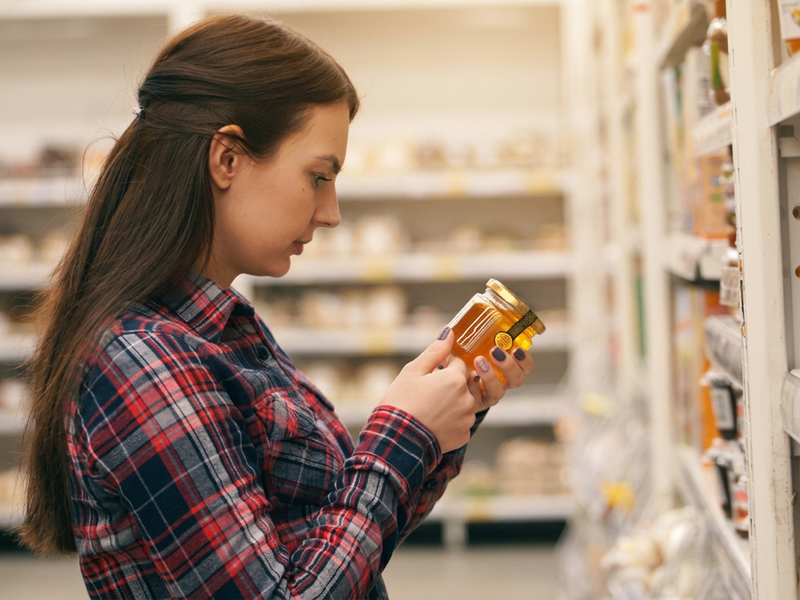
If you want to buy honey from Austria, you should pay close attention to the origin information when shopping. “Austria” should be clearly stated as the country of origin. For organic honey, the EU organic logo and the certification number also help you make an informed choice.
If you want to buy honey from Austria, you should pay close attention to the origin information when shopping. “Austria” should be clearly stated as the country of origin. For organic honey, the EU organic logo and the certification number also help you make an informed choice.
The independent and non-political association “Land schafft Leben” aims to raise awareness of food produced in Austria. In a transparent and non-judgmental manner, Land schafft Leben highlights food production along the value chain on its website, www.landschafftleben.at, as well as through numerous other channels. To date, the association has published research on 20 food products, as well as numerous background reports on Austrian agriculture and other food-related areas.
All content is freely available at www.landschafftleben.at.
This may also interest you …
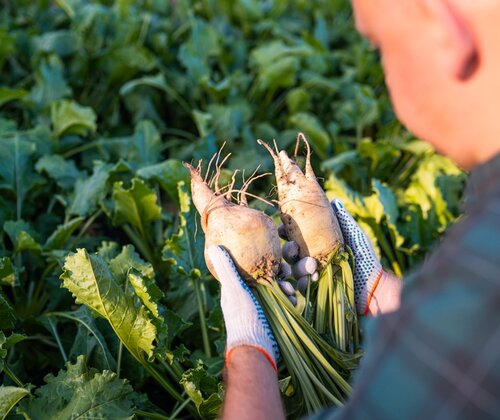
Land creates life: Sugar - From Luxury Item to Everyday Product
Whether in cakes, muesli, spreads, or beverages, sugar is an indispensable part of our diet. But what seems so commonplace today was once something quite special. Until well into the Middle Ages, honey was the only sweetener in Austria. It wasn’t until later that beet and cane sugar found their way into our kitchens. The Land schafft Leben association explains the journey the beet takes from cultivation to the sugar aisle and how production works in Austria.
Beginner
7 minutes reading time
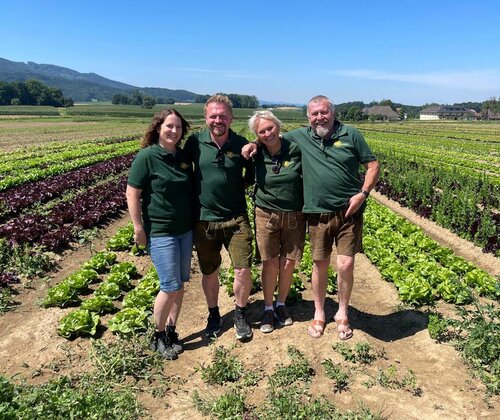
Multikosmos: Consistency in Vegetable Farming - A Family Farm in Transition
In the Traunviertel region, not far from Gmunden, vegetables are grown not according to trends, but based on experience. For decades, the Kirchgatterer family farm has stood for a form of agriculture rooted in careful cultivation, a close connection to nature, and a sense of responsibility toward the soil and people. Having grown across generations, the farm thrives on the belief that consistency arises where one looks closely, exercises patience, and is willing to carefully integrate new approaches into existing structures. A look behind the scenes of a vegetable farm that combines tradition and innovation.
Enthusiast
9 minutes reading time
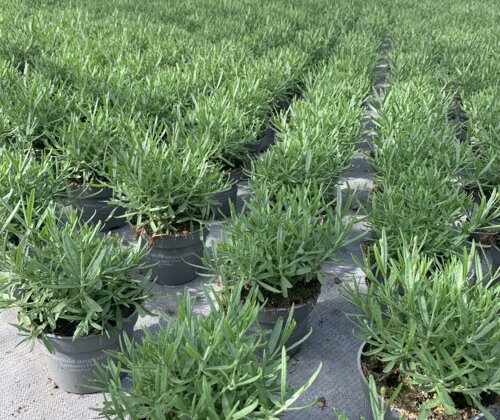
Multikosmos: Where the Lavender Blooms - A Story of Courage, Change, and the Power of Nature
Anyone who grows lavender knows that behind this plant’s apparent hardiness lies a delicate soul. Heat, humidity, stress—even minor factors are enough to sap the vitality from these fragrant purple wonders. For the van Adrichem family from Germany, lavender has long been more than just a product. They have been passionately cultivating ornamental plants for over 65 years. For them, lavender represents tradition, fragrance, summer—and the knowledge that nature and craftsmanship can exist in harmony. Our conversation with Mareike van Adrichem offers insight into the company’s history, its success, and how the team ultimately finds a natural solution even in challenging times.
Enthusiast
8 minutes reading time
