Careers
Multikosmos: Consistency in Vegetable Farming - A Family Farm in Transition
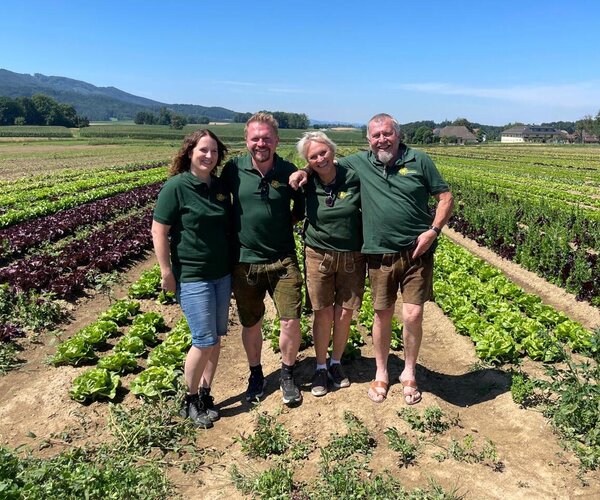
In the Traunviertel region, not far from Gmunden, vegetables are grown not according to trends, but based on experience. For decades, the Kirchgatterer family farm has stood for a form of agriculture rooted in careful cultivation, a close connection to nature, and a sense of responsibility toward the soil and people. Having grown across generations, the farm thrives on the belief that consistency arises where one looks closely, exercises patience, and is willing to carefully integrate new approaches into existing structures. A look behind the scenes of a vegetable farm that combines tradition and innovation.
Enthusiast
9 minutes reading time
The small community of Ohlsdorf is nestled in the heart of the beautiful Traunviertel region—it is home to the family-run, long-established business Gemüse Kirchgatterer. At an elevation of 536 meters above sea level, a colorful variety of fresh vegetables and potatoes are grown here. The family business has a long history—high-quality fresh vegetables have been cultivated and harvested here since as early as 1967. About 40 years ago, Gottfried and Claudia Kirchgatterer began direct sales, which they continue to this day through a farm stand. Their son Michael, who has been working full-time on the farm since 2013, has now taken the reins alongside his wife Verena and manages approximately 52 hectares of farmland. The result: an impressive variety of produce. “We grow around 45 to 50 different types of vegetables, in about 100 varieties. We have about 13 varieties of tomatoes and around 15 types of lettuce—I’ve stopped counting,” says Michael Kirchgatterer with a smile. Although Michael took over management in 2020, his parents, Gottfried and Claudia, continue to support the family business. “Thank goodness,” says Michael, delighted by their collaboration.
The small community of Ohlsdorf is nestled in the heart of the beautiful Traunviertel region—it is home to the family-run, long-established business Gemüse Kirchgatterer. At an elevation of 536 meters above sea level, a colorful variety of fresh vegetables and potatoes are grown here. The family business has a long history—high-quality fresh vegetables have been cultivated and harvested here since as early as 1967. About 40 years ago, Gottfried and Claudia Kirchgatterer began direct sales, which they continue to this day through a farm stand. Their son Michael, who has been working full-time on the farm since 2013, has now taken the reins alongside his wife Verena and manages approximately 52 hectares of farmland. The result: an impressive variety of produce. “We grow around 45 to 50 different types of vegetables, in about 100 varieties. We have about 13 varieties of tomatoes and around 15 types of lettuce—I’ve stopped counting,” says Michael Kirchgatterer with a smile. Although Michael took over management in 2020, his parents, Gottfried and Claudia, continue to support the family business. “Thank goodness,” says Michael, delighted by their collaboration.
“We’re passionate about what we do”
Gemüse Kirchgatterer places great emphasis on quality and consistency: The team harvests daily, and the motto “fresh, crisp, and healthy” is their top priority. The farm stand is open 24/7 for self-service, with staffed sales on Fridays and Saturdays; the farm also sells its produce at five to six additional markets. For busy people, there’s also a subscription model: The “Vitalsackerl” is delivered directly to end customers’ doorsteps—or the “Bürokisterl,” which supplies schools and offices during the week.
For Michael Kirchgatterer, it goes without saying that he avoids chemicals as much as possible. “We aren’t officially certified organic, but I believe we work more organically than many organic regulations require. We engage very closely with our crops and tend to them. We’re simply passionate about what we do, and you can taste that at the end of the day.” The introduction of the Multikraft system was also a major step forward in terms of quality: “I always tell my kids that when they walk through the greenhouses or the farm stand, they can eat anything. It doesn’t even need to be washed because it’s so naturally healthy.”
Grandfather Kirchgatterer: A Pioneer and Role Model
The first use of general biostimulants dates back a long time. Michael Kirchgatterer’s grandfather was the first person at the farm to explore the topic of natural plant fortification and to test its use over an extended period. Due to the high labor intensity, this project had to be put on hold at the time. Michael Kirchgatterer ventured to try the application again himself in 2015. He, too, had to take a break due to the workload, as the greenhouse tunnels must be sprayed every week.
The decisive step was ultimately a visit to a trade show, where Michael encountered Multikraft again—and also a company that sells a cold fogger. This machine atomizes liquid and fills the greenhouses with mist, ensuring the biostimulants are sprayed evenly throughout. An initial test yielded positive results, which marked the starting point for the final implementation of the Multikraft system. “The fogger is programmed to run at night, which significantly reduces the workload. Since last year, we’ve been working very intensively with Multikraft products and have been very, very successful in growing vegetables with them,” says Michael Kirchgatterer.
Natural Ways to Achieve Consistent Returns
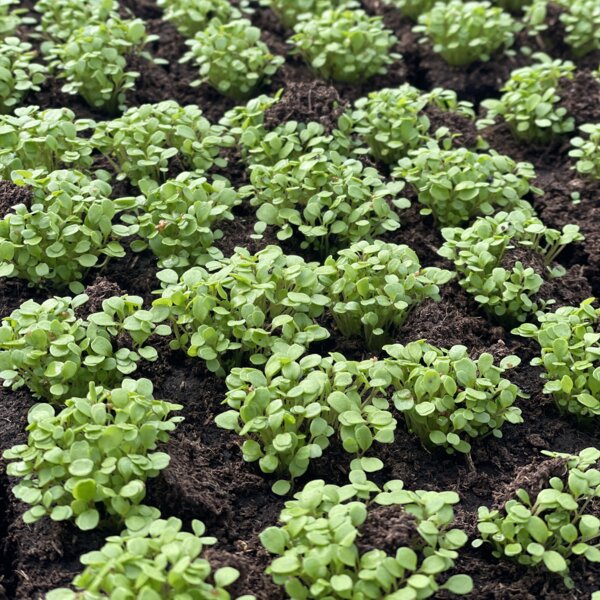
A wide range of Multikraft products is used: from MK Soil for seedling production, to MK Start, and on to MK Veggie for full-scale spraying. For tough cases—“when things get really bad”—the Fermented garlic and chilli extract comes into play.
A wide range of Multikraft products is used: from MK Soil for seedling production, to MK Start, and on to MK Veggie for full-scale spraying. For tough cases—“when things get really bad”—the Fermented garlic and chilli extract comes into play.
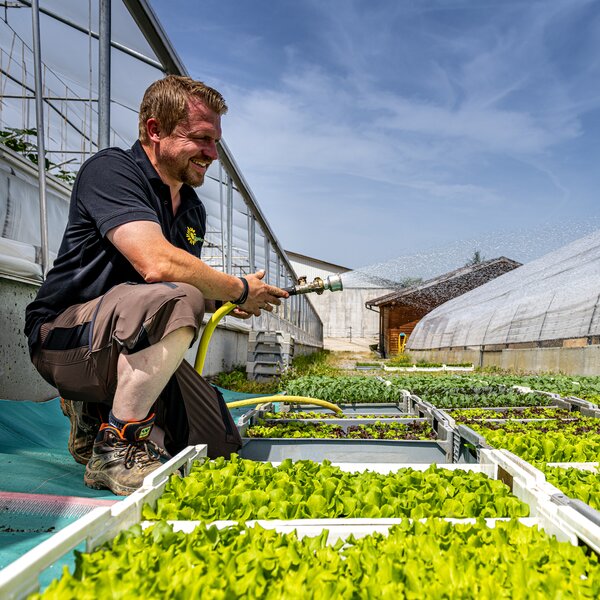
The results speak for themselves. According to Michael Kirchgatterer, much more pest control was needed in the past, which had a negative impact on yields. Thanks to Multikraft products, the family has reduced pest control measures in their greenhouses by over 80 percent, which has also led to an increase in beneficial insects. The young plants are also significantly more robust and stress-resistant. The leaves are greener, the plants grow more efficiently, and there’s also a noticeable difference in taste, he explains. “Most of our regular customers tell us that this year’s harvest tastes even better. The carrots are sweeter, the beets are noticeably better, and the tomatoes have a more robust flavor,” he says, sharing customer feedback. This year’s tomato harvest, in particular, is on track to break records. The bell pepper harvest is another good example: “Last year, we harvested bell peppers until December 31, even though the greenhouse wasn’t heated,” says Michael Kirchgatterer.
In 2024, he even conducted a small experiment with his lettuce plants together with an intern he had hired at the time and documented everything with photographs. He observed significant differences in color and weight. “In some cases, the weight was actually 30 to 35 percent higher than in plants without biostimulant treatment. The treated plants were more stress-resistant and had a very robust root system,” says Kirchgatterer, enthusiastic about the results.
Big plans for the future
The Kirchgatterer Vegetable Farm has several concrete plans for the coming years: these include expanding the farm store, launching a mobile unit for regional distribution, and adding more greenhouse space. At the same time, the farm intends to remain open to new approaches in crop production and to closely monitor how different methods affect the crops. An experiment is also planned in collaboration with Multikraft to investigate how different intensities of biological plant fortification affect pest management. The field study focuses less on short-term yield and more on the question of how quality, soil life, and plants can be kept in balance over the long term.
The Kirchgatterer Vegetable Farm has several concrete plans for the coming years: these include expanding the farm store, launching a mobile unit for regional distribution, and adding more greenhouse space. At the same time, the farm intends to remain open to new approaches in crop production and to closely monitor how different methods affect the crops. An experiment is also planned in collaboration with Multikraft to investigate how different intensities of biological plant fortification affect pest management. The field study focuses less on short-term yield and more on the question of how quality, soil life, and plants can be kept in balance over the long term.
This may also interest you …
Land creates life: Sugar - From Luxury Item to Everyday Product
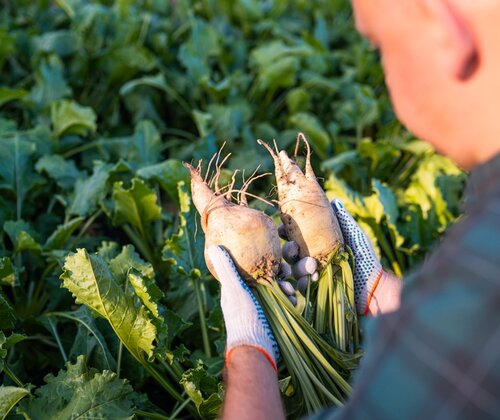
Whether in cakes, muesli, spreads, or beverages, sugar is an indispensable part of our diet. But what seems so commonplace today was once something quite special. Until well into the Middle Ages, honey was the only sweetener in Austria. It wasn’t until later that beet and cane sugar found their way into our kitchens. The Land schafft Leben association explains the journey the beet takes from cultivation to the sugar aisle and how production works in Austria.
Beginner
7 minutes reading time
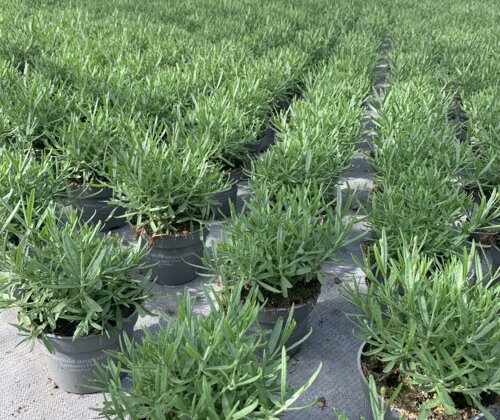
Multikosmos: Where the Lavender Blooms - A Story of Courage, Change, and the Power of Nature
Anyone who grows lavender knows that behind this plant’s apparent hardiness lies a delicate soul. Heat, humidity, stress—even minor factors are enough to sap the vitality from these fragrant purple wonders. For the van Adrichem family from Germany, lavender has long been more than just a product. They have been passionately cultivating ornamental plants for over 65 years. For them, lavender represents tradition, fragrance, summer—and the knowledge that nature and craftsmanship can exist in harmony. Our conversation with Mareike van Adrichem offers insight into the company’s history, its success, and how the team ultimately finds a natural solution even in challenging times.
Enthusiast
8 minutes reading time

Beginner
3 minutes reading time
