Careers

Multiknowledge: Painting walls with EM — More than just a new coat of paint
Anyone looking to repaint their walls wants fresh colors and a whole new living experience: When the walls shine again, the entire room often immediately feels friendlier and more inviting. But when painting walls, it’s worth thinking about more than just the look. The paints and materials you use also play a role in making your home a comfortable place to live.
Enthusiast
8 minutes reading time
After all, anyone renovating wants not only beautiful walls but also to feel completely at home within their own four walls. EM Clear Active and EM Amron A Ceramic Powder can be used to enhance wall paint in a targeted way. This combination is designed to reduce the typical paint odor and noticeably minimize fumes while painting.
With the right preparation, a suitable choice of paint, and a few simple steps, your renovation project will be a great start to a fresh, comfortable living environment.
Fresh color, fresh living experience
Whether it’s brilliant white, warm earth tones, or soft natural colors—a fresh coat of paint transforms the atmosphere of a room. Light colors make it feel more spacious, subtle tones create a sense of coziness, and bold accents add unique highlights. In just a few simple steps, your home takes on a whole new character.
At the same time, a renovation is a great opportunity to take a closer look: Which colors and materials should go on the walls? How can you minimize the typical paint odor as much as possible? And what’s important to ensure that you’ll enjoy the results for a long time to come?
Paints and other building materials can release chemical substances. That’s why choosing the right products, careful application, and regular ventilation play an important role. If you want to take your painting project a step further, you can rely on the combination of Effective Microorganisms and EM ceramic powder.
What are the effects of EM Clear Active and EM Amron A Ceramic Powder?
The two products are mixed together directly into the wall paint and enhance the finish in different ways.
The two products are mixed together directly into the wall paint and enhance the finish in different ways.
Painting walls with EM: It's that easy
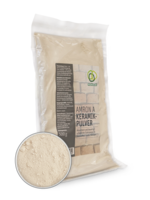
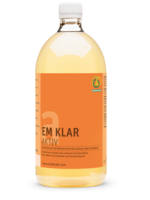
The application process is straightforward: EM Amron A Ceramic Powder and EM Clear Active are mixed directly into the wall paint.
Recommended dosage:
- 2% EM Amron A Ceramic Powder, based on the amount of paint used
- 0.5% EM Clear Active, based on the amount of paint used
Step-by-step guide to a fresh coat of paint:
- Mix in EM Amron A Ceramic Powder: Carefully stir the powder into the wall paint and distribute it evenly.
- Add EM Clear Active: Then mix in the specified amount of EM Clear Active.
- Paint the walls: Apply the prepared paint to the appropriate surface as usual, following the paint manufacturer’s application instructions.
Good to know: A 500-g bag of EM Amron A ceramic powder is sufficient for a wall area of approximately 100 m².
Before use, check for compatibility with the selected wall paint and follow the manufacturer’s instructions.
Good planning is half the battle: 7 tips for renovating
With a little preparation, painting goes more smoothly. At the same time, you can avoid unnecessary stress and create the conditions for a comfortable living environment.
1. Choose the Right Time
Ideally, you should paint on a dry, mild day. That way, you can ventilate the room well without the walls cooling down too much from the cold outside air. Extreme heat and very high humidity can affect drying times. The paint’s application instructions provide guidance on suitable conditions.
2. Choose colors thoughtfully
Colors shape the atmosphere of a room. Light, subtle tones are often suitable for small rooms, while warm, natural colors convey a sense of coziness. In the bedroom, soft colors create a calming look, while in a workspace, bright, cheerful shades can foster a pleasant environment.
In addition to the color itself, product properties are also important: It’s crucial that the paint is suitable for the specific room and has the lowest possible emissions.
3. Carefully Prepare the Surface
Dust, loose layers of paint, and uneven surfaces can compromise the final result. Therefore, the wall should be clean, dry, and stable. Cracks should be repaired, and highly absorbent surfaces should be properly prepared as needed. Applying a primer may be advisable, depending on the condition of the surface.
4. Protect Furniture and Floors
Furniture, floors, and window surfaces should be carefully covered. Small pieces of furniture can be removed from the room if possible. Outlet frames, door frames, and window sills can be neatly taped off. This saves time on cleanup and ensures a neat finish.
5. Ventilate Properly
Ventilation during and after painting is important. Short, vigorous bursts of ventilation are often more effective than leaving windows tilted open continuously. When outdoor temperatures are low, care should be taken to prevent the room from getting too cold.
6. Allow the Walls Time to Dry
Freshly painted walls should be allowed to dry undisturbed. Furniture should not be placed back against the wall immediately so that air can circulate more freely. Following the drying time instructions and maintaining appropriate room temperature and humidity levels will help ensure a good result.
7. Do not paint over moisture or mold
Dark spots, peeling paint, or damp areas should not simply be painted over. First, the cause must be identified and properly addressed. A fresh coat of paint alone will not solve a moisture problem.
What else contributes to a comfortable indoor climate?
Freshly painted walls are a good opportunity to take a closer look at your living environment as a whole. After all, a comfortable indoor climate depends on several factors.
- Ventilate regularly: This replaces stale indoor air with fresh outdoor air.
- Monitor humidity: A relative humidity of about 40 to 60 percent is considered a good guideline for many living spaces. Depending on the season and the building, other values may be appropriate.
- Don’t overheat: An appropriate room temperature contributes to well-being and helps prevent the air from becoming unnecessarily dry.
- Remove dust regularly: Clean surfaces and textiles contribute to a well-maintained living environment.
- Furnish thoughtfully: Natural materials, harmonious colors, and appropriate lighting can positively shape a room’s atmosphere.
- Choose plants suited to their location: Houseplants bring life to your home. Proper care and moderate watering are important to prevent both waterlogging and mold.
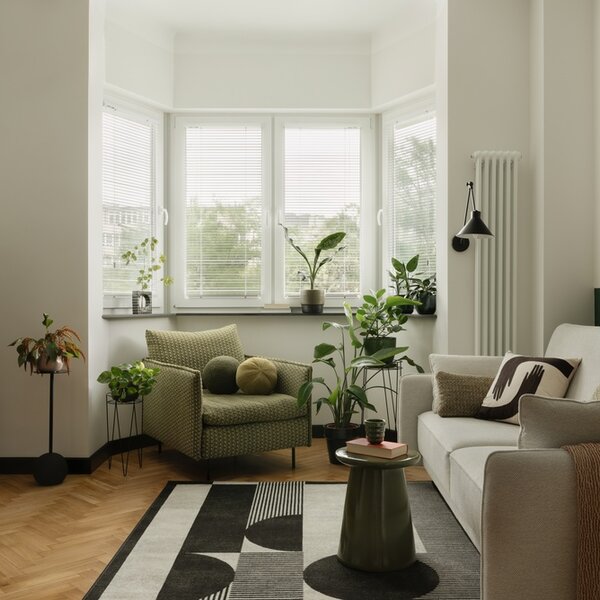
A home where you feel comfortable
A fresh coat of paint breathes new life into your home. It creates space for new colors, new ideas, and a living environment that fits your lifestyle. By paying attention not only to the look but also to the materials used, you can approach your renovation with particular care.
EM Clear Active and EM Amron A Ceramic Powder are the perfect additions to your wall paint. Combined with careful preparation, suitable paints, and regular ventilation, this creates a well-thought-out renovation plan.
After all, a beautiful home isn’t just about freshly painted walls. It’s also about the satisfaction of consciously designing your own spaces and feeling comfortable in them every single day.
Multiknowledge - Barbara's effective tips for every home
In our blog series “Multiwissen—Barbara’s Effective Tips for Every Home,” discover the best advice from our expert Barbara Enengel for a sustainable home and a thriving garden. Whether you’re looking to clean your living space in an eco-friendly way or transform your garden into a blooming oasis, Barbara’s tips will enrich your everyday life. Stay tuned for inspiring stories and smart life hacks! Barbara Enengel studied agriculture at the University of Natural Resources and Life Sciences, Vienna. She is interested in natural cycles and ecological relationships in nature and the garden. She is particularly committed to creating a diverse and healthy habitat for people, animals, and plants—a principle she passionately puts into practice in her beautifully landscaped and ecologically managed garden.
This may also interest you …
Garden & Plants
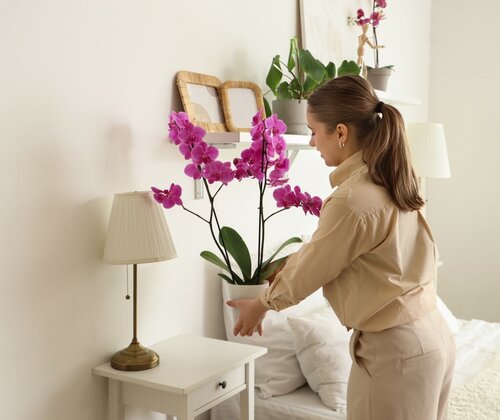
Multiknowledge: How to care for orchids properly & get them to bloom – Tips for healthy plants
Hardly any houseplant rewards good care as impressively as an orchid. When, after weeks or months, a new flower spike suddenly appears and the first buds open, the joy is immense. To ensure that such moments of blooming occur regularly, it’s worth taking a closer look at the plant’s needs. After all, not all orchids are the same: Depending on the species, their requirements for light, water, temperature, and dormant periods vary.
Beginner
8 minutes reading time

Garden & Plants
In memory of Hilde Umdasch: “You have to contribute something positive to bring about positive change.”
With the passing of Hilde Umdasch, we have lost an impressive business leader who combined courage, humanity, and corporate responsibility. Back in 2014, we had the privilege of interviewing her for our then-current multikosmos magazine.
Beginner
8 minutes reading time

Garden & Plants
Multiknowledge: Fall lawn care - strengthen your lawn now and prepare it for winter
Brown blades of grass, bare patches, and a lawn that looks a bit worn out overall: Heat and prolonged dry spells can take a significant toll in the summer. But even if your lawn looks anything but healthy right now, there’s still plenty you can do. Fall is the ideal time to help your lawn recover and, at the same time, prepare it well for winter.
That’s because, while the intense heat is over, the soil is still pleasantly warm. Cooler temperatures and more frequent rainfall create good conditions for growth. The grass can recover, form new roots, and gradually fill in smaller gaps.
Beginner
6 minutes reading time
