Careers
Between garden plants and balcony boxes: How Huyskweker Stouten relies on the Multikraft system
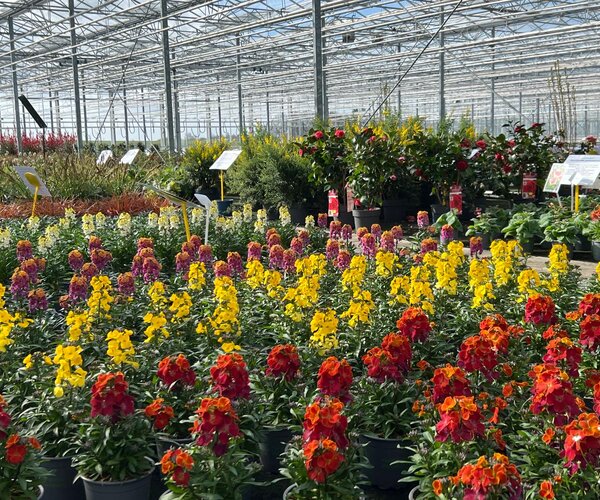
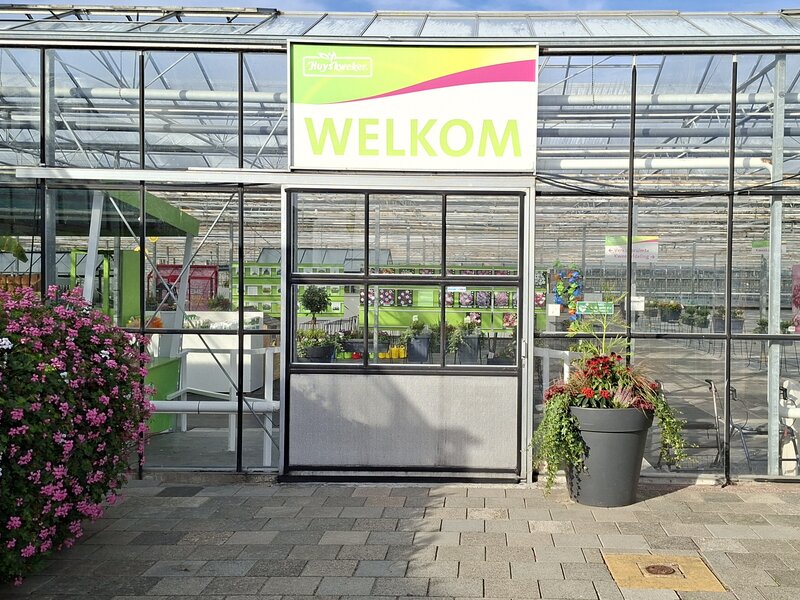
Arjen Stouten runs Huyskweker Stouten V.O.F. in Oosterland, the Netherlands, together with his family. On approximately 1 hectare of greenhouse space, the family-run business professionally cultivates high-quality summer flowers, as well as a wide assortment of bedding and balcony plants and various perennials. A particular focus is on balcony and patio planters, as well as hanging baskets with built-in water reservoirs. The company sells directly to private end customers throughout the Netherlands and a small part of Belgium.
Enthusiast
5 minutes reading time
A conversation with Arjen Stouten
How long have you been using the Multikraft system?
In 2020, we made a conscious decision to switch to Multikraft products. Since then, the microorganisms have been an integral part of our daily care and cultivation of plants in the greenhouse. Since 2024, we have also been selling 1-liter bottles directly to our customers.
How long have you been using the Multikraft system?
In 2020, we made a conscious decision to switch to Multikraft products. Since then, the microorganisms have been an integral part of our daily care and cultivation of plants in the greenhouse. Since 2024, we have also been selling 1-liter bottles directly to our customers.
Why did you choose the Multikraft system?
For us, the main reason was to reduce the use of pesticides. This is also in line with our philosophy: A healthy plant should not have to rely on chemical pesticides. We wanted to grow our plants responsibly and naturally. With Multikraft, our goal was to minimize or completely eliminate the use of chemical pesticides while simultaneously strengthening the plants’ natural resistance to pests and fungal diseases. As a result, our products last longer and continue to grow better once they reach the end customer.
What changes has the Multikraft system brought about in your business and for your customers?
At our nursery, the daily use of Multikraft products makes a noticeable difference in plant quality: We see significantly better root development, stronger leaves, and greater natural resistance to pests and powdery mildew. For our customers, the biggest benefit is significantly better and longer-lasting blooms. Because the plants are grown to be stronger from the ground up, they thrive exceptionally well in our customers’ gardens and on their patios throughout the entire season.
At our nursery, the daily use of Multikraft products makes a noticeable difference in plant quality: We see significantly better root development, stronger leaves, and greater natural resistance to pests and powdery mildew. For our customers, the biggest benefit is significantly better and longer-lasting blooms. Because the plants are grown to be stronger from the ground up, they thrive exceptionally well in our customers’ gardens and on their patios throughout the entire season.
Can you quantify the economic benefits?
It is difficult to put an exact figure in euros on this. However, the economic benefit is clearly evident in the improved quality and longer shelf life of our plants. This leads to higher customer satisfaction and more customers returning to our nursery. That, in turn, is a very positive and sustainable investment that pays off.
We would like to thank Arjen Stouten for giving us a glimpse into his business and wish Huyskweker Stouten V.O.F. continued success.
We would like to thank Arjen Stouten for giving us a glimpse into his business and wish Huyskweker Stouten V.O.F. continued success.
This may also interest you …
livestock farming
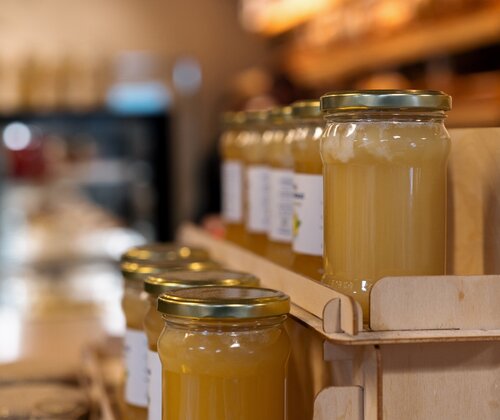
Land Creates Life: Greater Transparency When Buying Honey
New Rules of Origin Effective June 2026
How can you tell if honey is truly from Austria? With regional specialties, organic products, and inexpensive imported blends on the shelves, it’s often not easy for Austrian honey to stand out in the supermarket. While checking the label helps, many origin labels have been rather vague up until now. That’s exactly what the new 2026 amendment to the Honey Regulation is set to change.
Beginner
6 minutes reading time
Land creates life: Sugar - From Luxury Item to Everyday Product
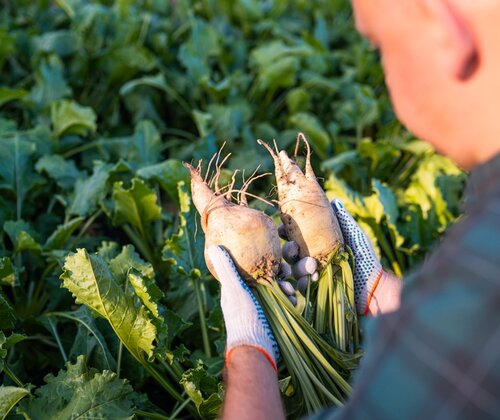
Whether in cakes, muesli, spreads, or beverages, sugar is an indispensable part of our diet. But what seems so commonplace today was once something quite special. Until well into the Middle Ages, honey was the only sweetener in Austria. It wasn’t until later that beet and cane sugar found their way into our kitchens. The Land schafft Leben association explains the journey the beet takes from cultivation to the sugar aisle and how production works in Austria.
Beginner
7 minutes reading time
Multikosmos: Consistency in Vegetable Farming - A Family Farm in Transition
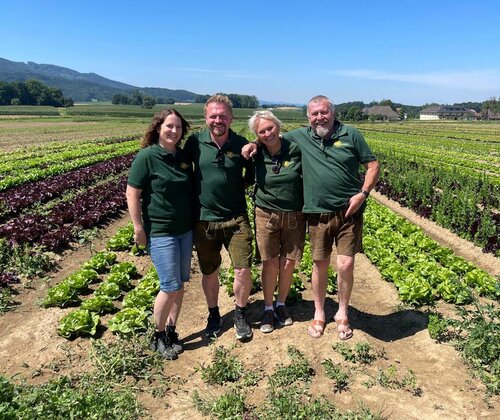
In the Traunviertel region, not far from Gmunden, vegetables are grown not according to trends, but based on experience. For decades, the Kirchgatterer family farm has stood for a form of agriculture rooted in careful cultivation, a close connection to nature, and a sense of responsibility toward the soil and people. Having grown across generations, the farm thrives on the belief that consistency arises where one looks closely, exercises patience, and is willing to carefully integrate new approaches into existing structures. A look behind the scenes of a vegetable farm that combines tradition and innovation.
Enthusiast
9 minutes reading time
