Careers
Silage
Optimal fermentation process
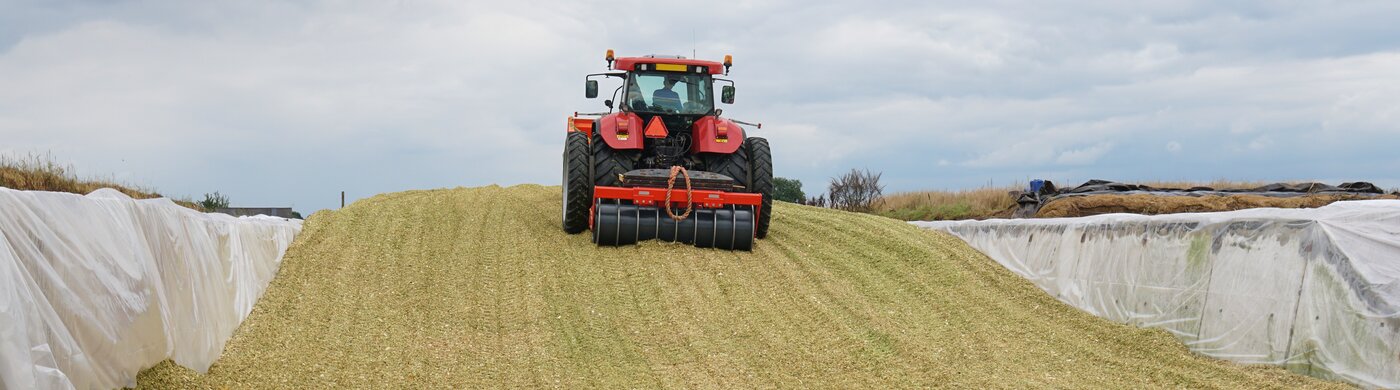
To provide animals with an optimal supply of nutrients, high-quality fermented feed is required. The fermentation process is a key factor in producing high-quality silage. A low-oxygen environment—and thus an airtight cover - is crucial for this. Multikraft’s natural silage additives allow you to control the fermentation process, the silage’s composition, and its aerobic stability. Unlike homofermentative silage additives, MK Multisil is heterofermentative and produces not only lactic acid but also other fermentation products such as propanediol.
To provide animals with an optimal supply of nutrients, high-quality fermented feed is required. The fermentation process is a key factor in producing high-quality silage. A low-oxygen environment—and thus an airtight cover - is crucial for this. Multikraft’s natural silage additives allow you to control the fermentation process, the silage’s composition, and its aerobic stability. Unlike homofermentative silage additives, MK Multisil is heterofermentative and produces not only lactic acid but also other fermentation products such as propanediol.
Improving silage quality
Multikraft technology ensures a rapid drop in pH levels in grass and corn silage, improves aerobic stability, and protects valuable nutrients from loss. Scientific trials and field data demonstrate significantly more stable fermentation and a demonstrable reduction in post-fermentation heating.
Multikraft technology ensures a rapid drop in pH levels in grass and corn silage, improves aerobic stability, and protects valuable nutrients from loss. Scientific trials and field data demonstrate significantly more stable fermentation and a demonstrable reduction in post-fermentation heating.
What is the proper way to make silage?
High-quality silage is the foundation for high feed intake in animals. To ensure your silage is of good quality, the harvest time, silage harvesting, and storage are particularly important.
In addition to high-quality plant growth, the right time to cut is crucial for high feed quality. The optimal time is at the beginning of the heading stage. The cutting height should be no less than five centimeters for permanent pasture and no less than seven centimeters for arable grass.
Leave the silage in the field for as short a time as possible. The grass should be about 30 percent dry. However, further drying should be avoided. Keep in mind that dry grass is harder to compact than grass that is still partially moist.
When harvesting, keep the cut length short. This results in higher sugar release, a rapid drop in pH, and the grass compacts more easily. All of this leads to silage that is stable during fermentation. The drier the grass is, the shorter it must be cut or chopped.
The most common mistakes in silage production and how to avoid them
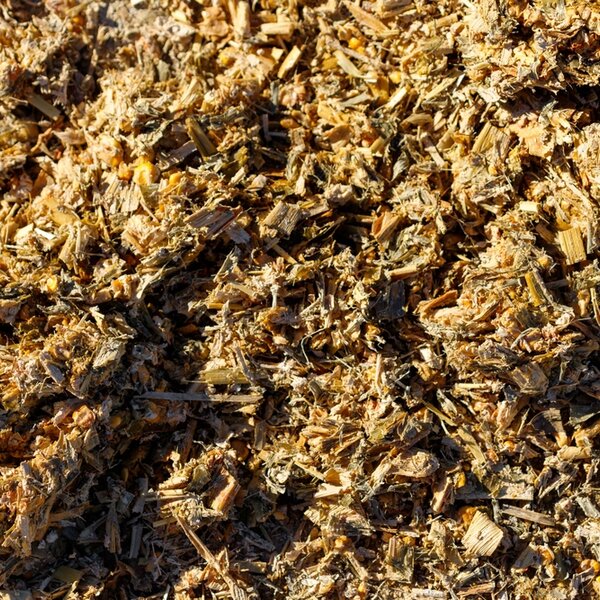
To reap the benefits of silage, the nutrients in the plant material must be effectively preserved and maintained over the long term. High-quality silage is characterized by low dry matter loss, stable lactic acid fermentation, high aerobic stability, and consequently a low pH value. Only under these conditions are energy, proteins, and other valuable nutrients preserved in sufficient quantities over the long term and can be efficiently utilized by the animals.
Quality losses result primarily from contamination of the crop with soil or manure. This introduces undesirable microorganisms into the silage. These can cause abnormal fermentation, in which lactic acid and carbohydrates are converted into butyric acid, ammonia, and various gases. The result is increased losses of dry matter and energy, as well as reduced feed intake. Another significant loss of quality results from post-opening heating after the silo is opened. When oxygen enters the silage, yeasts and molds begin to break down the lactic acid and readily available carbohydrates, causing the pH value to rise again and producing heat, carbon dioxide, and water. The consequences are energy loss, mycotoxin contamination, and a decline in palatability, which in turn leads to reduced feed intake. Even temperature increases of more than 5 °C above ambient temperature are considered an indication of incipient post-harvest heating. High aerobic stability is therefore an essential prerequisite for maintaining silage quality and ensuring economically viable milk and meat production.
To prevent a loss of quality, care must be taken to ensure minimal contamination of the harvested crop, thorough compaction, and immediate airtight sealing. To keep the oxygen content as low as possible, the silo liner should be inspected regularly, and any holes or tears should be repaired with adhesive tape. This helps prevent the growth of mold and, consequently, mycotoxins. After opening the silo, a sufficiently high withdrawal rate—that is, a continuous flow—must be ensured. This gives yeasts and molds less time to multiply.
To reap the benefits of silage, the nutrients in the plant material must be effectively preserved and maintained over the long term. High-quality silage is characterized by low dry matter loss, stable lactic acid fermentation, high aerobic stability, and consequently a low pH value. Only under these conditions are energy, proteins, and other valuable nutrients preserved in sufficient quantities over the long term and can be efficiently utilized by the animals.
Quality losses result primarily from contamination of the crop with soil or manure. This introduces undesirable microorganisms into the silage. These can cause abnormal fermentation, in which lactic acid and carbohydrates are converted into butyric acid, ammonia, and various gases. The result is increased losses of dry matter and energy, as well as reduced feed intake. Another significant loss of quality results from post-opening heating after the silo is opened. When oxygen enters the silage, yeasts and molds begin to break down the lactic acid and readily available carbohydrates, causing the pH value to rise again and producing heat, carbon dioxide, and water. The consequences are energy loss, mycotoxin contamination, and a decline in palatability, which in turn leads to reduced feed intake. Even temperature increases of more than 5 °C above ambient temperature are considered an indication of incipient post-harvest heating. High aerobic stability is therefore an essential prerequisite for maintaining silage quality and ensuring economically viable milk and meat production.
To prevent a loss of quality, care must be taken to ensure minimal contamination of the harvested crop, thorough compaction, and immediate airtight sealing. To keep the oxygen content as low as possible, the silo liner should be inspected regularly, and any holes or tears should be repaired with adhesive tape. This helps prevent the growth of mold and, consequently, mycotoxins. After opening the silo, a sufficiently high withdrawal rate—that is, a continuous flow—must be ensured. This gives yeasts and molds less time to multiply.
