Careers

current topics
Multiknowledge: Painting walls with EM — More than just a new coat of paint
Anyone looking to repaint their walls wants fresh colors and a whole new living experience: When the walls shine again, the entire room often immediately feels friendlier and more inviting. But when painting walls, it’s worth thinking about more than just the look. The paints and materials you use also play a role in making your home a comfortable place to live.
current topics
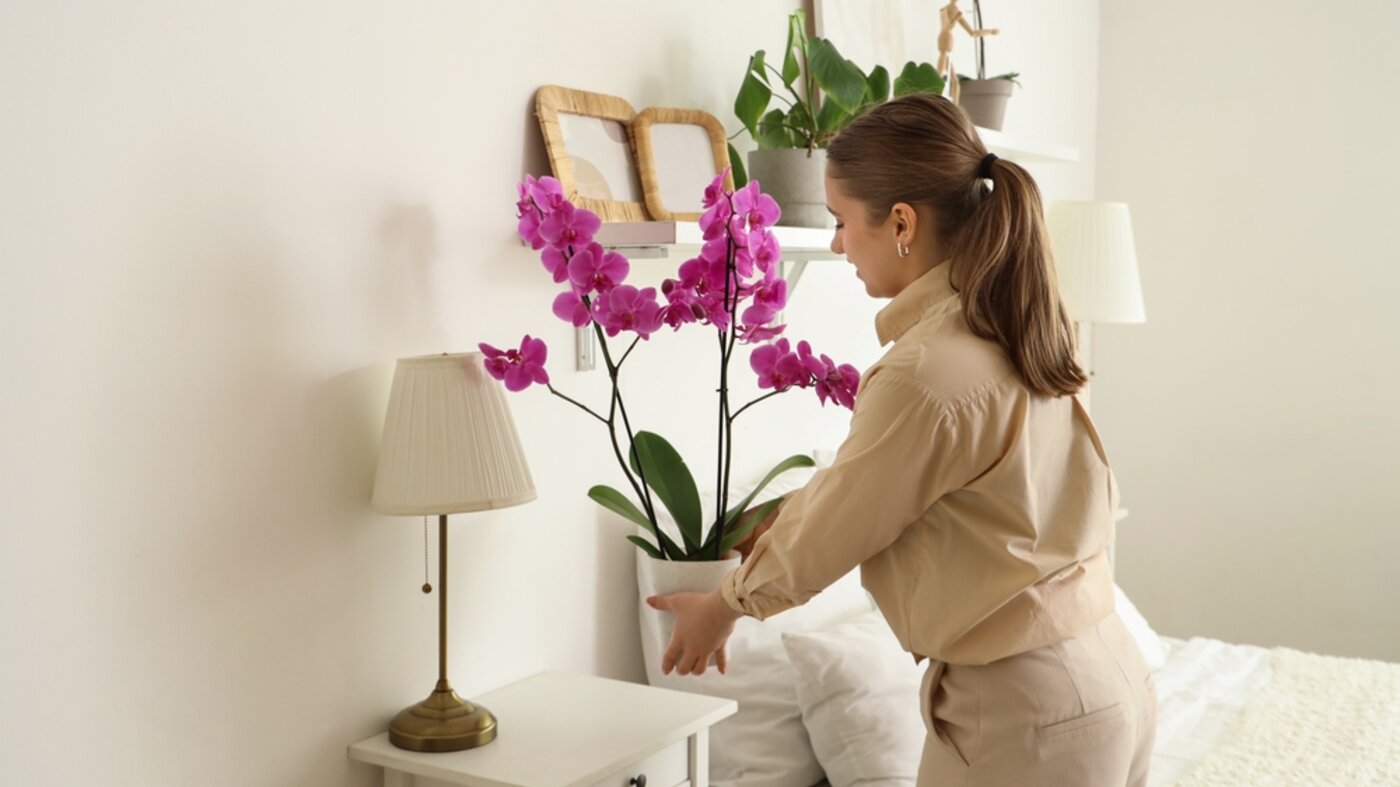
Multiknowledge: How to care for orchids properly & get them to bloom – Tips for healthy plants
Hardly any houseplant rewards good care as impressively as an orchid. When, after weeks or months, a new flower spike suddenly appears and the first buds open, the joy is immense. To ensure that such moments of blooming occur regularly, it’s worth taking a closer look at the plant’s needs. After all, not all orchids are the same: Depending on the species, their requirements for light, water, temperature, and dormant periods vary.

current topics
In memory of Hilde Umdasch: “You have to contribute something positive to bring about positive change.”
With the passing of Hilde Umdasch, we have lost an impressive business leader who combined courage, humanity, and corporate responsibility. Back in 2014, we had the privilege of interviewing her for our then-current multikosmos magazine.
Interesting home-based stories
Your home and garden are your personal paradise. Here you will find useful tips, practical applications and interesting insider stories for your oasis of well-being. An undamaged environment that is pleasant to live in begins outside your front door.
Your home and garden are your personal paradise. Here you will find useful tips, practical applications and interesting insider stories for your oasis of well-being. An undamaged environment that is pleasant to live in begins outside your front door.
Garden & Plants
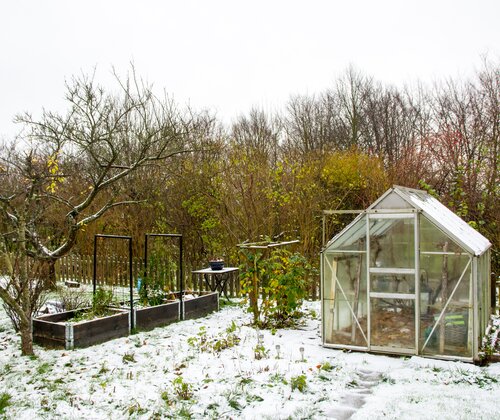
Winterise your beds – how to get your garden ready for winter!
Autumn is the perfect time to prepare your vegetable patches for next spring. A little effort in the autumn will save you a lot of work in the spring, while also ensuring healthy, nutrient-rich soil. In this article, you will learn how to winterise your vegetable patches and what is particularly important when doing so.
Beginner
3 minutes reading time

Household
Multiknowledge: EM Ceramics - Practical Applications for Every Day
EM ceramics have antioxidant properties that can help you in your home and garden. You can use them to revitalise drinking and irrigation water, store food, improve the quality of pond and pool water and strengthen your plants. But how does it actually work? In this article, you will learn from Barbara Enengel what types of EM ceramics are available, how they work and how you can use them in your everyday life.
Beginner
4 minutes reading time
8 tips for a successful winter harvest
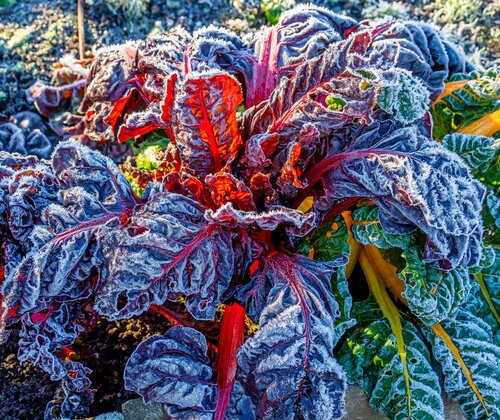
Autumn is just around the corner, and most amateur gardeners pack up their tools and say goodbye to the gardening season. But for those who want to enjoy fresh vegetables all year round, growing vegetables in winter is an exciting option. With the right planning and the use of Effective Microorganisms, you can also harvest your own vegetables from the garden in the colder months. We have put together a few tips for you here.
Enthusiast
2 minutes reading time
Garden & Plants
Wild harvest in autumn
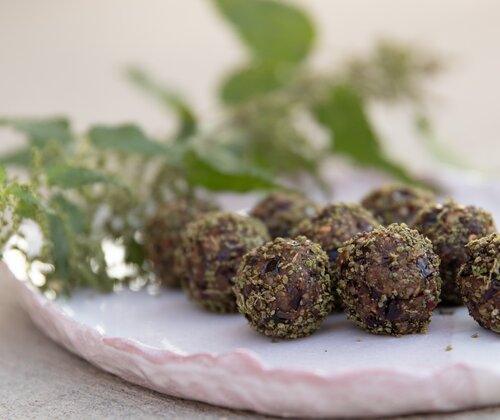
Autumn is a wonderful time to explore nature and to take advantage of the healing powers of plants. As nature prepares for winter, the plants draw their strength back into the seeds, fruits and ultimately the roots. Like nature, we too can prepare for the colder time of year. By collecting, processing and enjoying them, we can recharge our batteries and find peace. In this article, we will show you which plants can be collected in autumn and how to process them.
Beginner
4 minutes reading time
Garden & Plants
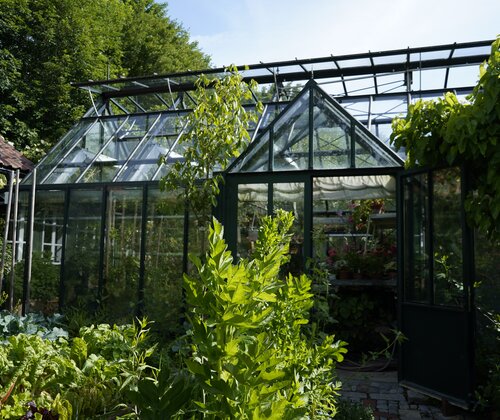
So it grows in the greenhouse: tips and tricks for optimal conditions
In einem Gewächshaus können Sie Pflanzen das ganze Jahr über in einer kontrollierten Umgebung kultivieren. Um das volle Potenzial auszuschöpfen, gibt es einige Dinge, die Sie beachten sollten. Mit diesen Tipps – einschließlich des Einsatzes effektiver Mikroorganismen nutzen Sie Ihr Gewächshaus optimal.
Enthusiast
4 minutes reading time
Garden & Plants
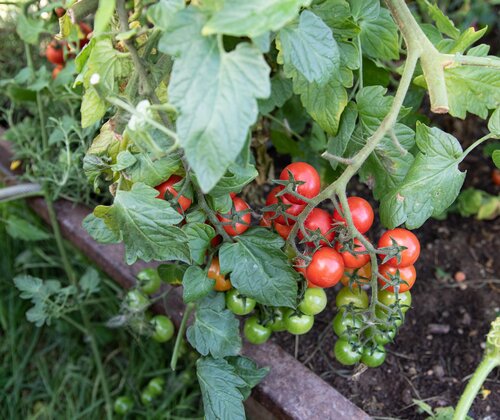
Tips and tricks for a rich tomato harvest
Without a doubt, the (mostly) red fruits are one of the undisputed favourites on the summer plate. To enjoy your own harvest well into the autumn, you need to pay attention to a few things. Our tips will help you keep your tomato plants healthy.
Beginner
4 minutes reading time
Garden & Plants
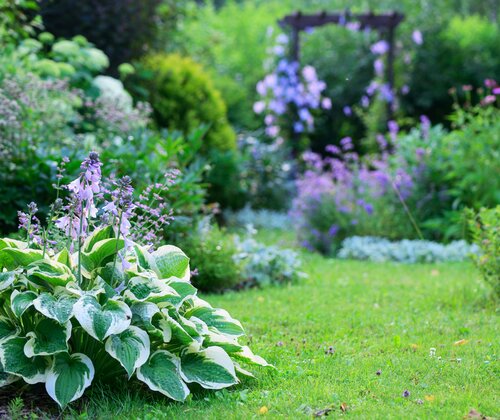
These tips for shady spots and pond maintenance outshine all others
The sun is merciless, the thermometer rises to over 30°: shady spots offer both us and many plants a welcome respite from the heat - many plants even flourish in the shade. Make the most of the sun-free spots in your garden or on your balcony. We'll tell you which flowers, perennials and shrubs thrive particularly well here. And because a dip in your own pond is also refreshing, you will find tips here on how effective microorganisms can help you keep your pond clear all year round.
Enthusiast
3 minutes reading time

Garden & Plants
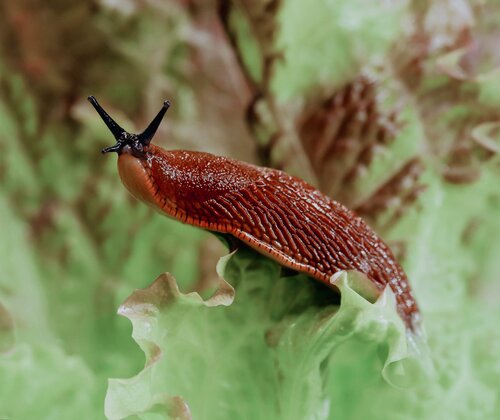
Multi-knowledge: Watch out for the slime trail - slug-free gardening made easy
A splendid garden full of flowering plants and crunchy vegetables is the dream of every hobby gardener. But this dream can quickly turn into a nightmare when slugs and snails feast on the plants that have been painstakingly tended and cared for. Discover practical and sustainable tips in this article that will keep your green oasis slug-free - without any chemicals.
Beginner
3 minutes reading time
Garden & Plants
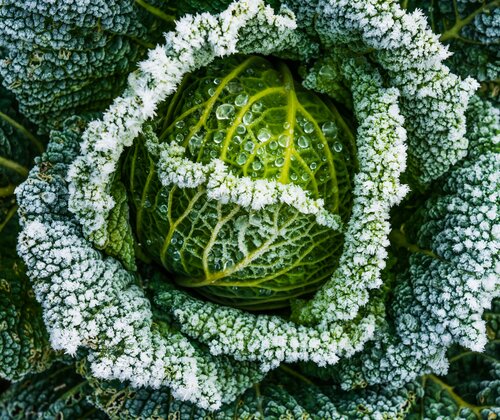
From summer to winter: The path to a year-round harvest
Even if winter seems a long way off in the summer heat, now is the perfect time to set the course for a rich winter harvest. If you want to enjoy fresh vegetables from your own garden all year round, make sure you choose the right varieties and sowing times. With a little planning and commitment, you can harvest a variety of winter vegetables that cannot be found in the supermarket.
Enthusiast
3 minutes reading time
Garden & Plants
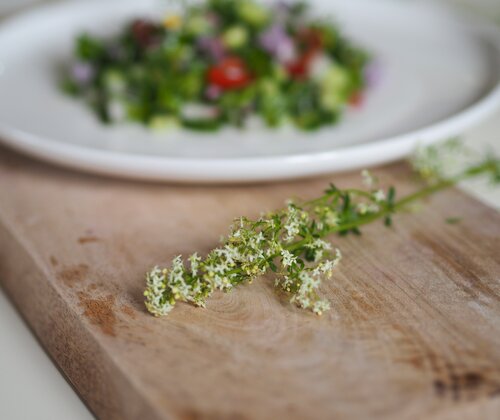
Drawing from the full: wild herbs in summer
Summertime is harvest time - and not just in the garden. A veritable treasure trove of wild herbs awaits you in meadows, hedgerows and forests, which are available free of charge and in the highest quality right on your doorstep. We will show you how to recognise these herbs and use them creatively in your kitchen.
Beginner
2 minutes reading time
Garden & Plants
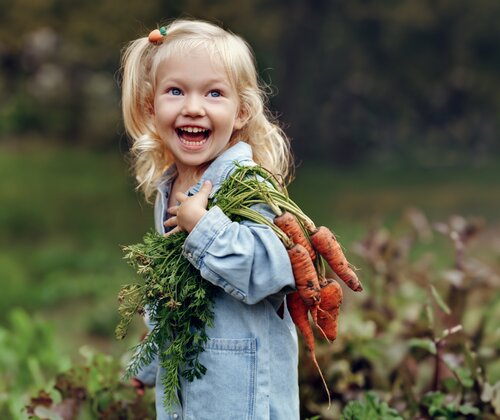
Multi-knowledge: Carefree vegetable garden - Effective strategies for pest prevention
A colourful vegetable garden is the pride of every gardener. In this blog post, we show you practical and sustainable strategies for protecting your vegetable plants from pests. From natural defence methods to proven horticultural techniques, we'll show you how to keep your plants strong and resilient.
Beginner
3 minutes reading time
Garden & Plants
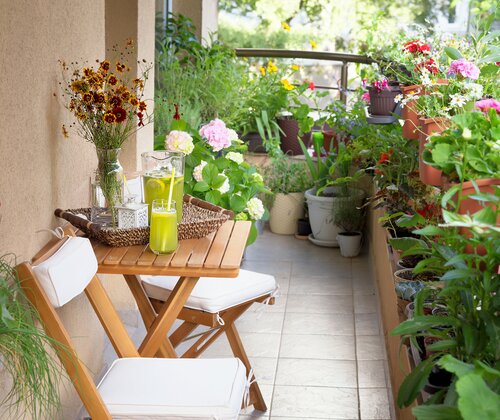
Multi-knowledge: Blooming balconies - the best tips for a sea of flowers in your window box
For many people, the balcony is a place to relax - a little oasis of well-being in stressful everyday life. Balcony flowers are a real classic and ensure long-lasting blooms in summer. In this article, you will learn how to plant and care for your flower boxes in a climate-friendly way. Maximising the splendour of your flowers is not rocket science, you'll see!
Flowers on the balcony are a real perennial favourite! They enchant both owners:in and passers-by. With a few tricks and tips, your balcony will also be in full bloom this season.
Beginner
3 minutes reading time
Garden & Plants
This saves you watering the vegetable garden
In summer, plants can survive without watering despite the heat and drought if the soil is well mulched and contains enough life. Bernadette Schützenhofer does without watering all summer and still harvests the best vegetables.
Beginner
3 minutes reading time

Garden & Plants
Your green balcony: an oasis of joie de vivre
With a few simple tips, you can turn your balcony into a little Garden of Eden. Whether you want to harvest fresh vegetables, grow herbs or simply create a place to relax - here are some inspiring ideas for your balcony.
Beginner
2 minutes reading time
Visit our agriculture and trade blog which covers animal husbandry and plant cultivation.

Multikosmos: Hope through microorganisms
New Approaches to Managing Persistent Fungicide Residues
Extreme weather conditions are posing increasing challenges for agriculture—not least due to fungal diseases in waterlogged soils. The agricultural sector has responded to this in particular with the active ingredient azoxystrobin. The problem is that this active ingredient is considered persistent and is suspected of affecting the environment, biodiversity, and human health. Now, study results from our microbiologist Dr. Katharina Kraxberger, MSc, Head of Research and Development at Multikraft, are attracting attention. They show that specific microorganisms can break down fungicides. Her research thus offers hope for bio-based solutions for treating soil and food contaminated with fungicides.
Enthusiast
9 minutes reading time

livestock farming
Multikosmos: A family business in transition
Strength Lies in Experience
The Weiermair family farm is located in the idyllic town of Adlwang in Upper Austria and is currently home to about 320 pigs. Johannes Weiermair took over his parents’ organic farm in 2011 and has initiated several changes since then. The former mixed-farming operation has been exclusively dedicated to organic pig farming since 2020. As is so often the case in life, such a transition is always accompanied by ups and downs. In this interview, the passionate organic farmer discusses the challenges the family faced and how he continues to tackle them today using common sense.
Enthusiast
8 minutes reading time

livestock farming
Multikosmos: Efficiency over growth
A New Perspective on the Future of Agriculture - A Conversation with Prof. Dr. Wilhelm Windisch
The idea that progress is inevitably synonymous with growth is deeply ingrained in many people’s minds. However, in the face of an agricultural sector grappling with increasingly scarce resources, mounting climate pressures, and ecological limits, a new way of thinking is gaining ground: farming in harmony with nature.
Enthusiast
10 minutes reading time
Try the Multikraft well-being blog which has great recipes, beauty tips and more.

Land creates life: Eat a lot, know a lot? Fact-checking bread
Whether for breakfast, as a side dish at lunch, or as an evening snack—bread is a constant companion throughout our day in Austria. In 2025, average per-capita consumption was estimated at 50.3 kilograms. But does that mean we know a lot about bread? *Land schafft Leben* debunks myths surrounding one of Austria’s favorite foods.
Beginner
6 minutes reading time

Manju
Multikosmos: A center for well-being—When your gut has a say
On Okinawa, an island in southern Japan, diet has played a special role for centuries. It is no coincidence that Okinawa is known as one of the regions where people live to a particularly advanced age. The traditional cuisine is considered simple, natural, and rich in fiber. Vegetables, seaweed, brown rice, and fermented foods are staples of the diet. Here, health and well-being are not viewed as short-term goals, but rather as the result of a lifestyle centered on balance and consistency.
Enthusiast
minutes reading time

Land creates life: Food waste
Small changes in our daily lives can make a big difference
We’ve all been there: that half-eaten cucumber was forgotten and is now going moldy; the unopened cream cheese has quietly passed its best-by date; and instead of buying just one bell pepper, you bought three because they were on sale. Food waste happens largely at home—and, above all, it creeps up on us. Nevertheless, enormous amounts accumulate in Austria. Yet even small changes in our daily routines can make a big difference in how we handle food.
Beginner
minutes reading time
