Careers
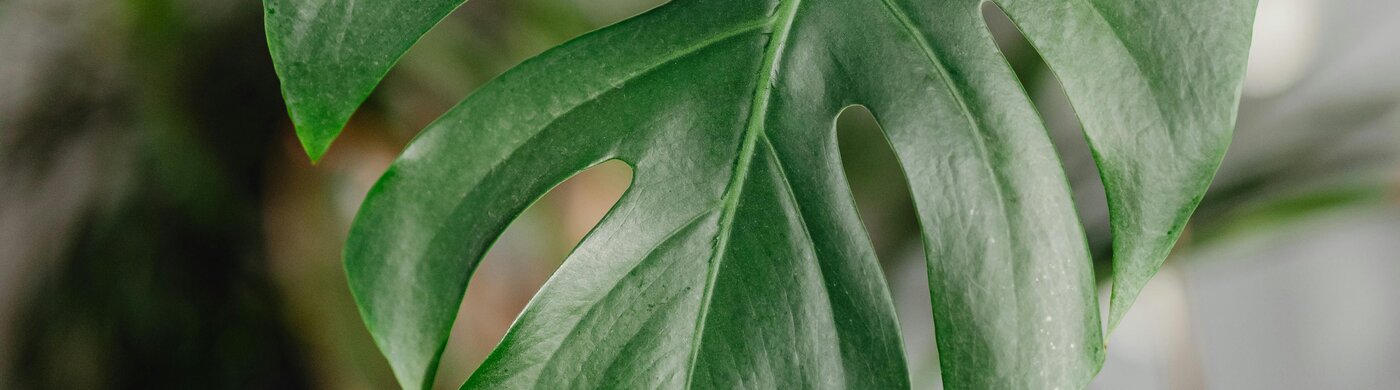
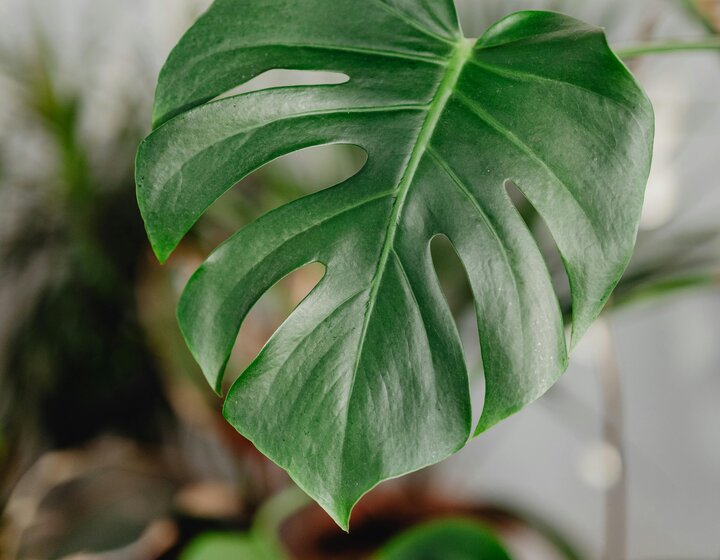
Urban jungle - living in healthy greenery
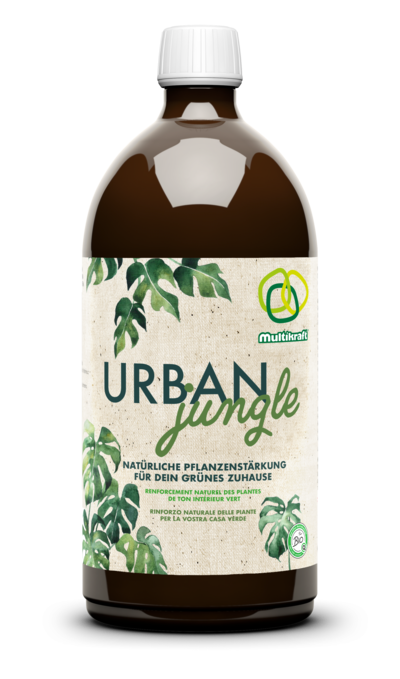
Houseplants not only decorate your own four walls, but also contribute to a better indoor climate. To ensure that you can enjoy your little indoor jungle for as long as possible, we recommend Urban Jungle to strengthen your houseplants.
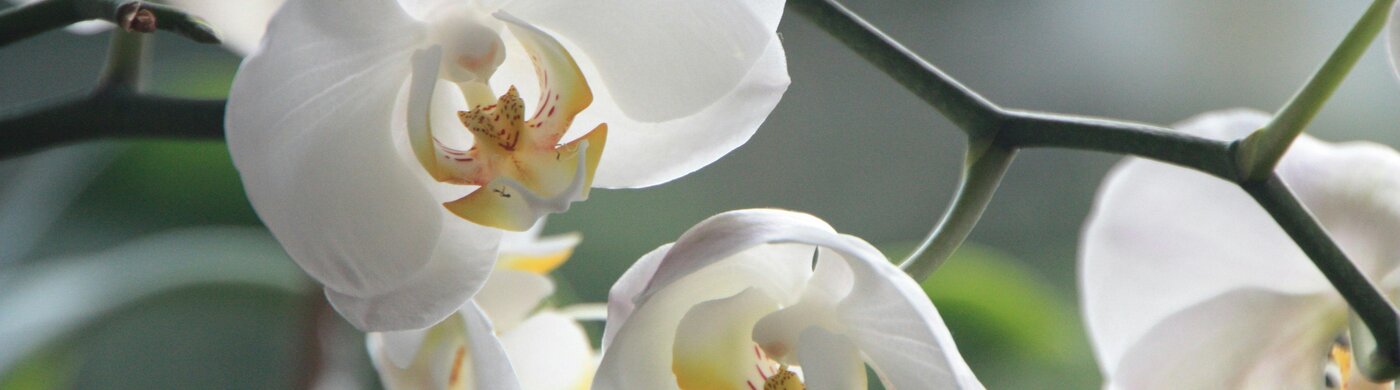
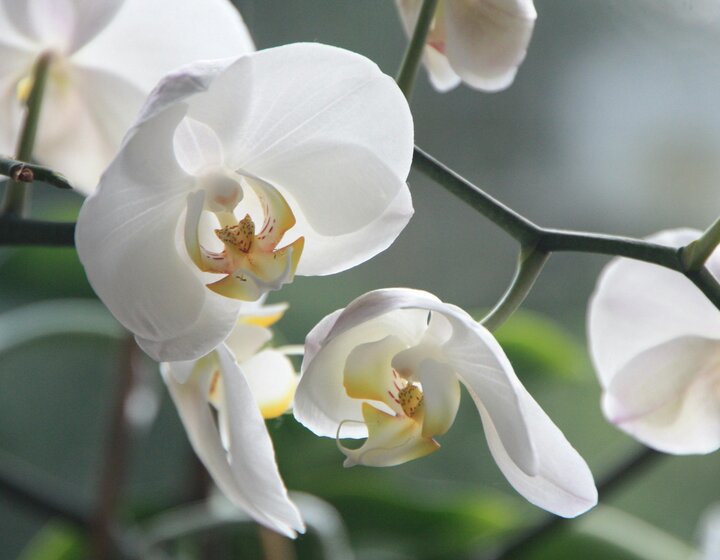
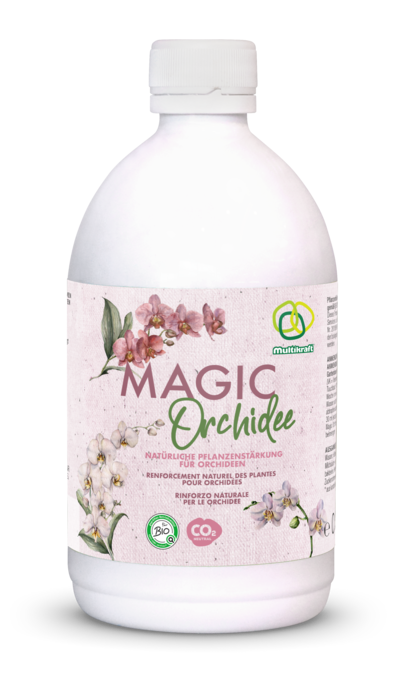
Magnificent flowers with Magic Orchid
Magic Orchid is the ultimate solution to make your orchids shine in full bloom. The specially developed watering additive and spray solution is a real miracle cure for orchid lovers.
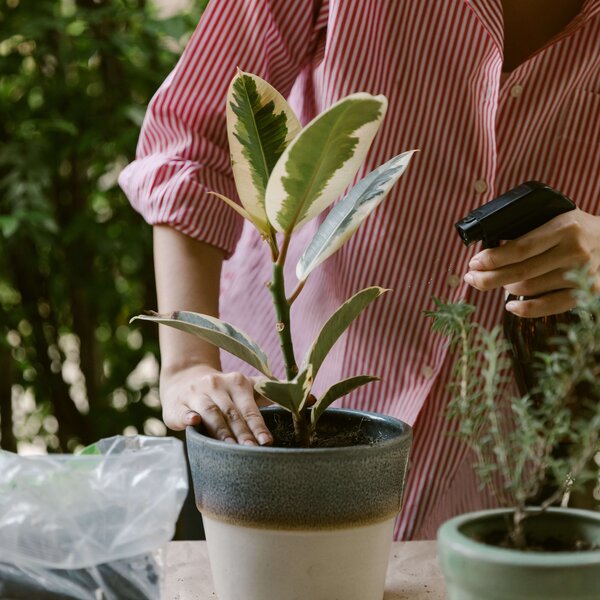
Strengthening your houseplants with Effective Microorganisms
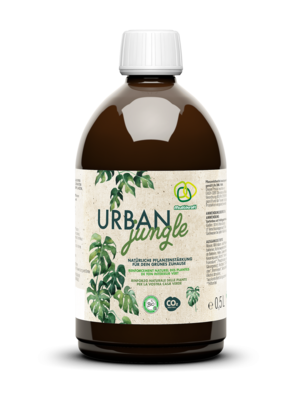
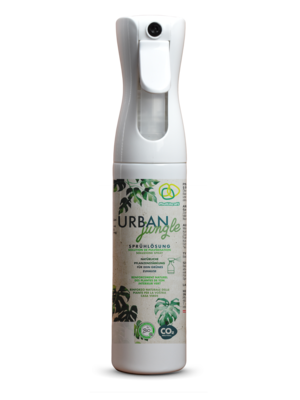
For natural plant strengthening, add Urban Jungle to the watering solution regularly (10 ml per liter of water). Thanks to Effective Microorganisms and carefully selected plant extracts, this multi-purpose product supports healthy root growth and ensures optimal nutrient uptake through the roots. Urban Jungle boosts the plants’ natural defense system and also supports regeneration in cases of nutrient deficiency. In addition to the Urban Jungle concentrate for watering, there is also the convenient Urban Jungle spray solution. This promotes strong leaves and a rich, vibrant green color; thanks to its special formulation, it also has a dust-repelling, cleansing effect, giving the leaves a natural sheen. Now nothing stands in the way of creating a soothing mini-jungle right in your own home.
What are the key points to keep in mind when caring for houseplants?
There is no one-size-fits-all guide to properly caring for houseplants. Every person has different needs and preferences, and the same is true in the plant world. Before buying a plant, you should consider how much light it needs, what temperature and humidity levels are ideal, and how often it needs to be watered. You can also naturally support your houseplants with Effective Microorganisms.
Nutrients and Plant Strengthening
Since potting soil provides only limited nutrients, houseplants need to be fertilized regularly. Essential nutrients such as nitrogen, phosphorus, and potassium ensure healthy growth. You don’t necessarily need to buy special fertilizers - tried-and-true home remedies like coffee grounds, eggshells, diluted potato cooking water, or the leachate from a Bokashi bucket serve the same purpose. To maximize nutrient uptake through healthy roots, it’s worth supplementing with the Urban Jungle watering additive. Its combination of Effective Microorganisms, micronutrients, and plant extracts specifically strengthens the plant’s defenses against pests.
Since potting soil provides only limited nutrients, houseplants need to be fertilized regularly. Essential nutrients such as nitrogen, phosphorus, and potassium ensure healthy growth. You don’t necessarily need to buy special fertilizers - tried-and-true home remedies like coffee grounds, eggshells, diluted potato cooking water, or the leachate from a Bokashi bucket serve the same purpose. To maximize nutrient uptake through healthy roots, it’s worth supplementing with the Urban Jungle watering additive. Its combination of Effective Microorganisms, micronutrients, and plant extracts specifically strengthens the plant’s defenses against pests.
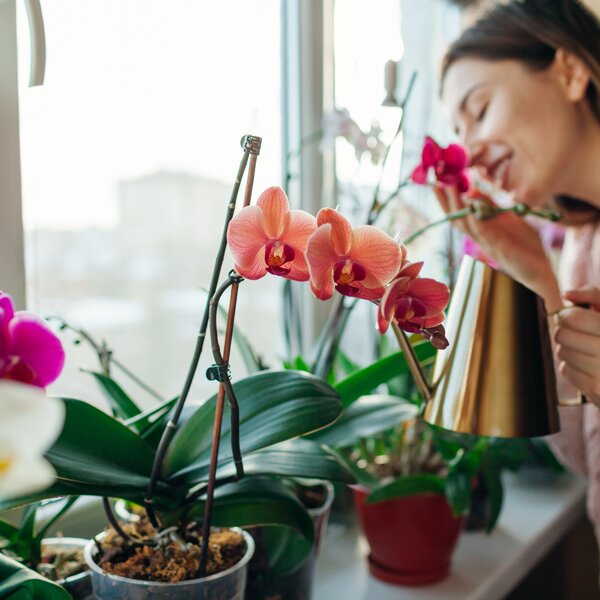
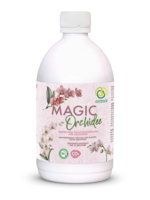
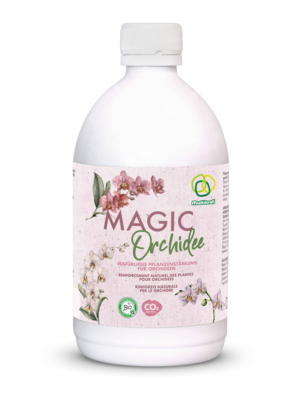
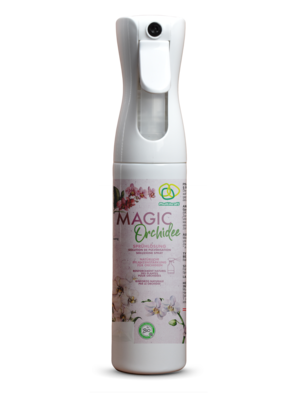
Magic Orchid is the ultimate solution for helping your orchids bloom in all their glory. This specially formulated watering additive and spray solution is a true miracle cure for orchid lovers.
What makes Magic Orchid so special?
- Magic Orchid supplies these popular and beautiful houseplants with Effective Microorganisms. The Magic Orchidee formula is based on natural microorganisms that gently support your orchids’ roots and strengthen their natural defenses.
- Hibiscus flower fermentation: The delicate pink color of Magic Orchidee comes from real hibiscus flowers, which are used in a unique fermentation process. This flower not only gives the product its color but also provides important nutrients for your orchids.
- Say goodbye to tired, sad-looking orchids. Pamper your plants with Magic Orchid and watch them bloom in all their glory.
How often should I water my houseplants?
When it comes to watering, there are no one-size-fits-all answers along the lines of “half a liter once a week.” Why is that? Plants have different “roots.” Those that come from dry regions, such as cacti or succulents, need very little water. Others—like the popular Monstera—come from the rainy tropics and need more water. In between, there are many nuances—and thus many ways to get it wrong. Incidentally, plants usually don’t dry out; they’re more likely to be overwatered, which can lead to waterlogging and rotting roots.
That’s why you should find out in advance what your houseplant’s water needs are. In addition, lighting conditions, temperature, and humidity also play a role in caring for houseplants. Before watering, you can use the finger test to check if the soil is dry. If it’s already very dry, it won’t absorb water well. In this case, it’s better to water gradually in small amounts: Stop immediately if water starts to run into the saucer or planter, and water again after half an hour so the soil can slowly absorb the moisture.
It’s best to use standing water at room temperature with low calcium content—rainwater or melted snow in the winter are ideal. Note: Very few plants tolerate waterlogged soil. Avoid this by always removing excess water or ensuring proper drainage in the pot through a drainage hole or a layer of gravel.
And what if something does go wrong and the plant has problems? Then we’re here to advise you and provide help with pests and more!
When it comes to watering, there are no one-size-fits-all answers along the lines of “half a liter once a week.” Why is that? Plants have different “roots.” Those that come from dry regions, such as cacti or succulents, need very little water. Others—like the popular Monstera—come from the rainy tropics and need more water. In between, there are many nuances—and thus many ways to get it wrong. Incidentally, plants usually don’t dry out; they’re more likely to be overwatered, which can lead to waterlogging and rotting roots.
That’s why you should find out in advance what your houseplant’s water needs are. In addition, lighting conditions, temperature, and humidity also play a role in caring for houseplants. Before watering, you can use the finger test to check if the soil is dry. If it’s already very dry, it won’t absorb water well. In this case, it’s better to water gradually in small amounts: Stop immediately if water starts to run into the saucer or planter, and water again after half an hour so the soil can slowly absorb the moisture.
It’s best to use standing water at room temperature with low calcium content—rainwater or melted snow in the winter are ideal. Note: Very few plants tolerate waterlogged soil. Avoid this by always removing excess water or ensuring proper drainage in the pot through a drainage hole or a layer of gravel.
And what if something does go wrong and the plant has problems? Then we’re here to advise you and provide help with pests and more!
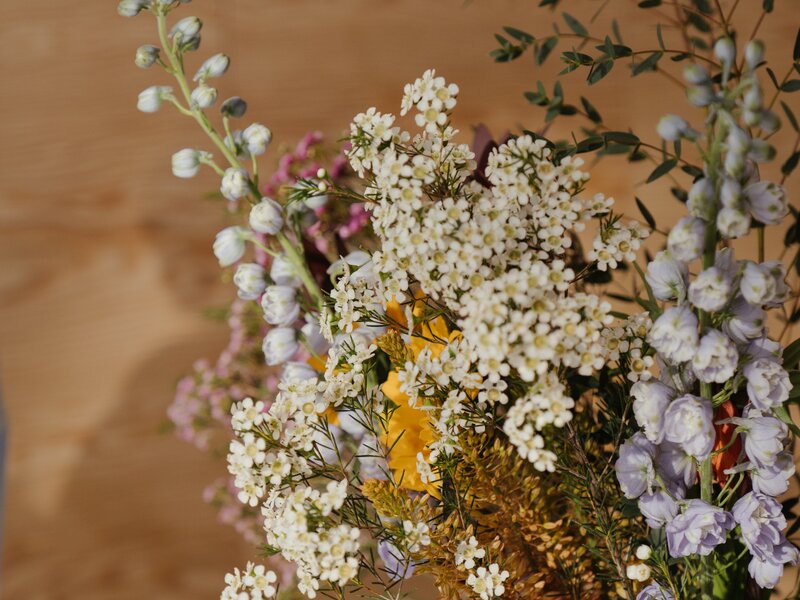
Our tip for extending the life of your cut flowers
Cut flowers and bouquets often do not last for very long. They usually start to wilt after only a few days in the vase. Multikraft EM grey ceramic pipes will keep your cut flowers fresh for longer.
Questions and Answers
In this FAQ section, you’ll find specific information and answers about houseplants. If you can’t find what you’re looking for here, please check out our blog or fill out our contact form - we’d be happy to help.
This depends largely on the type of plant, the location, and the season. However, waterlogging often occurs because plants tend to be overwatered. You should definitely avoid waterlogging.
Yellow leaves and soft stems often indicate overwatering. Dry, brown leaf tips, on the other hand, are a sign of underwatering.
Choose an organic-certified, peat-reduced potting mix. High-quality options, such as organic black soil with Terra Preta technology and Effective Microorganisms, promote a dense root system for better nutrient and water uptake. Also, tailor the soil to the plant’s needs (e.g., by mixing in sand for cacti) and simply dispose of old soil in the compost.
The location is crucial for healthy growth. Light conditions, temperature, and humidity should always be tailored to the specific plant.
They support the plant naturally, promote soil life, and are gentle on people, animals, and the environment.
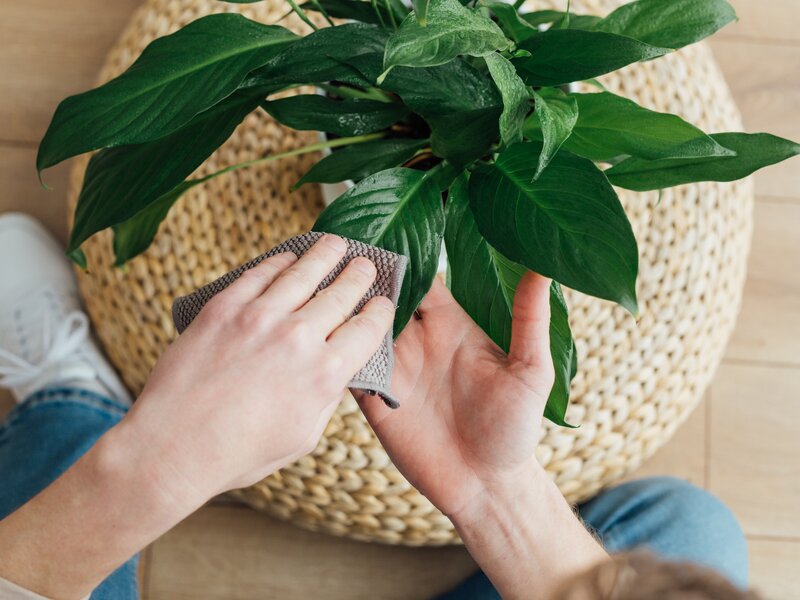
Regularly wiping down the leaves and using appropriate care products keeps the leaf surfaces clean and promotes photosynthesis. Dust buildup can impair light absorption and should therefore be removed regularly, for example by gently wiping or rinsing the leaves. The Urban Jungle spray solution helps ensure gentle care for the leaves.
Popular houseplants include the Monstera, Ficus, Calathea, and spider plant. They bring life to your rooms, improve indoor air quality, and create a pleasant atmosphere. However, the best plant for you depends primarily on lighting conditions, the level of care you’re willing to provide, and, of course, your personal preferences.
Plants like snake plants, lucky bamboo, pothos, and cacti are particularly low-maintenance. They require little water, are forgiving of mistakes, and are ideal if you don’t have much time to care for your houseplants.
Plants such as snake plant, pothos, zamioculcas, or peace lily are well-suited for shadier locations. These plants thrive even with limited light and are therefore ideal for darker rooms or corners.
Do you still have questions?
Are you interested in one of Multikraft’s products but still unsure and would like to learn more?
Our experts are happy to help!
