Careers
What are Effective Microorganisms?
Effective microorganisms briefly explained
Effective Microorganisms (EM) are liquid mixed microbial cultures consisting of bacteria and yeasts, and the term “Effective Microorganisms” is now used by many manufacturers for a wide variety of products without testing their exact mode of action. At Multikraft, quality is our top priority. This is why our Effective Microorganisms are the result of extensive research carried out in our own laboratory and by external research partners, as well as strict quality testing and assurance. Our products are tested and adapted to a wide range of applications.
Effective Microorganisms (EM) are liquid mixed microbial cultures consisting of bacteria and yeasts, and the term “Effective Microorganisms” is now used by many manufacturers for a wide variety of products without testing their exact mode of action. At Multikraft, quality is our top priority. This is why our Effective Microorganisms are the result of extensive research carried out in our own laboratory and by external research partners, as well as strict quality testing and assurance. Our products are tested and adapted to a wide range of applications.
How do Effective Microorganisms work
Effective microorganisms (EM) promote beneficial microbes and suppress undesirable ones. In this way, they support the ecological balance and counteract the spread of harmful microorganisms. They contribute to the health of the environment by allowing beneficial microbes to dominate and reducing putrefaction processes.
[Microorganisms]: Microscopically small, primarily unicellular organisms that colonize all surfaces and habitats.
Effective microorganisms (EM) promote beneficial microbes and suppress undesirable ones. In this way, they support the ecological balance and counteract the spread of harmful microorganisms. They contribute to the health of the environment by allowing beneficial microbes to dominate and reducing putrefaction processes.
[Microorganisms]: Microscopically small, primarily unicellular organisms that colonize all surfaces and habitats.
The advantages of Effective Microorganisms
Improved microbial environment
Effective microorganisms contribute to the development and maintenance of a healthy microbiome.

Protection against harmful germs
They help to suppress pathogenic germs and promote a healthy environment for people and nature.
Decomposition of organic substances
Effective microorganisms accelerate the decomposition of biowaste and thus prevent putrefaction processes.
Questions and Answers
In this FAQ section, you’ll find specific information and answers about Effective Microorganisms. If you can’t find what you’re looking for here, please check out our blog or fill out our contact form—we’d be happy to help.
Effective Microorganisms (EM) are a mixture of naturally occurring microorganisms, including lactic acid bacteria, yeasts, and photosynthetic bacteria. Together, they support regenerative microbial processes and can thus contribute to a healthy environment.
EMs have a wide range of uses—for example, in the garden, in agriculture, around the house, for pond maintenance, or for composting. There are Multikraft products specifically designed for these various applications.
No. “EM” or “Effective Microorganisms” is a general term and does not provide any information about the specific composition or quality of a product. Multikraft has been working with microorganisms for more than 30 years and has continuously refined its cultures, formulations, and manufacturing processes. This results in stable, quality-assured products with precisely tailored properties. Our statements regarding application and effectiveness therefore apply exclusively to Multikraft products and cannot be generalized to other EM products.
Yes. Microorganisms and fermentation are also used in select food and personal care products. It is important to use only products that are specifically intended for the respective application.
Effective microorganisms and their potential applications have been the subject of scientific research for many years. Multikraft has been conducting research on microorganisms since the mid-1980s and now has its own microbiology laboratory, numerous patents, and more than 300 different microorganisms. Together with international research partners, products are continuously tested and refined under both laboratory and real-world conditions. The body of scientific research varies depending on the microorganism and its area of application.
→ Learn more about Research & Development at Multikraft Research & Development » In-House Innovations
The foundation of our EM products is fermentation—a natural process in which microorganisms break down and transform organic substances. This principle has been used for millennia, for example, in the production of bread, yogurt, and sauerkraut. At Multikraft, we ferment sugarcane molasses, herbs, and plant extracts, among other ingredients, under controlled conditions.
While it is technically possible to activate the products at home, this requires consistent conditions, energy, and careful work over several days. Since the quality of the results can vary, we recommend our quality-assured, ready-to-use products.
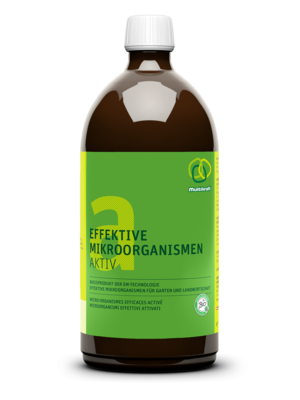
The EM Master Solution is the original microorganism culture and serves as the basis for further propagation. EM Active is produced by fermenting the EM Master Solution with sugarcane molasses and water. This multiplies the microorganisms, and EM Active can then be used according to the recommended application instructions.
Depending on their composition, our products have a shelf life of about one to two years. Proper storage is crucial. Therefore, please follow the specific storage instructions.
You can purchase EM products for gardening, agriculture, household use, ponds, and other applications directly from Multikraft. In our online store, you’ll find the right product for your needs.
→ Visit the Multikraft Online Store: Products for Home, Garden & Ponds » Natural & Sustainable
EM areas of application at a glance
Garden and plants
Effective Microorganisms (EM) in the garden create a healthy environment in the soil and on the surface of leaves. The plants grow stronger and germination, flowering, fruiting, ripening and yield quality are all improved.
The benefits of Effective Microorganisms in the garden and for plant care:
- Colourful flowers, leaves and fruit
- Vegetables and fruit that are full of flavour and have a longer storage life
- Naturally strong, robust plants that are less prone to attacks from pests and diseases

Ponds
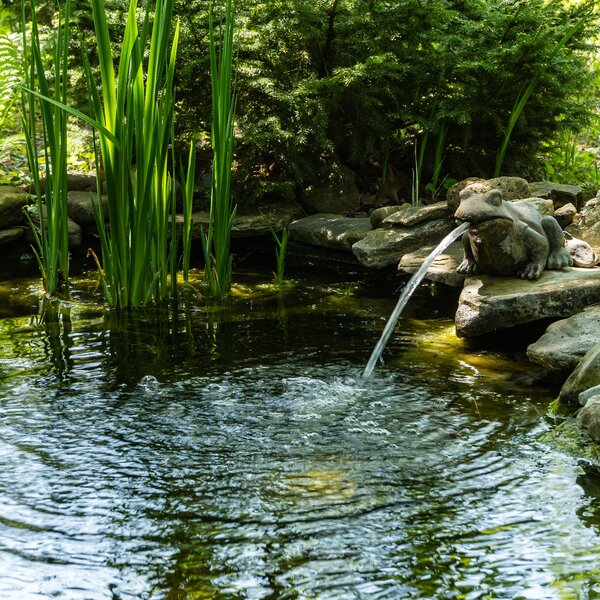
Used as a pond treatment, Effective Microorganisms promote an ecological balance and encourage plant growth, which reduces the formation of algae.
The benefits of Effective Microorganisms in pond care:
- Clear water as a result of a reduction in sediment and rotting
- Reducing algal growth
- Promoting the growth of useful aquatic plants
Household
Effective Microorganisms can be used for a variety of purposes throughout the home, not only in the garden and for plant care. Their basic property of supporting positive bacteria and suppressing rotting processes has specific benefits, particularly with regard to cleaning, the indoor climate and the disposal of kitchen waste.
The benefits of Effective Microorganisms in the home include:
- Turning kitchen waste into useful fertiliser
- The probiotic cleaning effect reduces the recurrence of dirt
- Particularly glossy leaves on houseplants

Our Most Popular Products with Effective Microorganisms
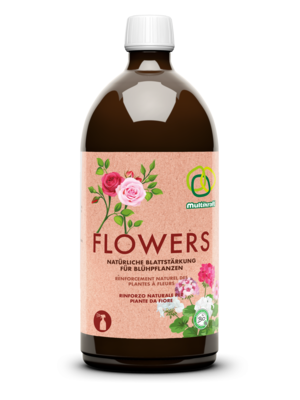
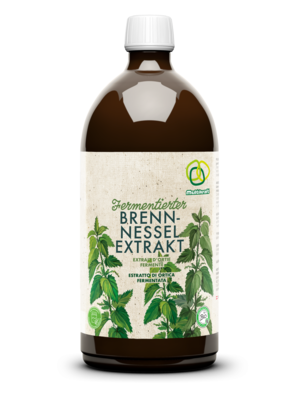
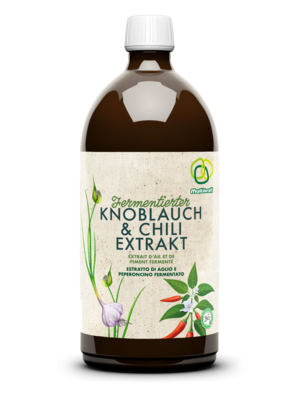
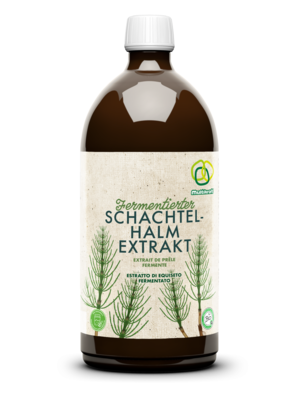
The mode of action of Effective Microorganisms in detail
Fermentation - the basis of our products
Fermentation is a biotechnological process that describes the degradation and conversion of organic substances with the help of bacteria, fungi or cell cultures.
People have been using fermentation processes for thousands of years, primarily to preserve and refine food: Bread, dairy products such as cheese or yoghurt, but also the production of alcohol or sauerkraut would not be possible without fermentation using bacterial or fungal cultures.
Fermentation processes form the basis of our product development. This natural method involves processing various raw materials such as sugar cane molasses, herbs and plant extracts. This process leads to the formation of enzymes, vitamins and antioxidants in our Multikraft products. These valuable ingredients stimulate regenerative processes and thus support the health of plants, animals and humans. They also contribute to a positive environmental impact.
Fermentation is a biotechnological process that describes the degradation and conversion of organic substances with the help of bacteria, fungi or cell cultures.
People have been using fermentation processes for thousands of years, primarily to preserve and refine food: Bread, dairy products such as cheese or yoghurt, but also the production of alcohol or sauerkraut would not be possible without fermentation using bacterial or fungal cultures.
Fermentation processes form the basis of our product development. This natural method involves processing various raw materials such as sugar cane molasses, herbs and plant extracts. This process leads to the formation of enzymes, vitamins and antioxidants in our Multikraft products. These valuable ingredients stimulate regenerative processes and thus support the health of plants, animals and humans. They also contribute to a positive environmental impact.
The antioxidant principle
In contrast to oxidation, which can lead to an increase in free radicals that are harmful to the respective environment, antioxidation prevents the combination of substances with oxygen by donating electrons and even reverses this process.
Effective microorganisms produce antioxidants in large quantities. These consist primarily of polysaccharides, chelated minerals with catalytic activity, and small amounts of vitamins C and E as well as trace elements.
Effective Microorganisms can be summarised under the regenerative type. They can directly and indirectly prevent decay in all substances and thus keep living things and the environment healthy.
The degenerative type of microorganism behaves in exactly the opposite way to the regenerative type.
The neutral microorganisms form the largest group and follow the so-called dominance principle of the group that is predominant in a system.
So if we create an environment in which regenerative microorganisms predominate, the neutral microorganisms follow the build-up process and degradative or putrefactive processes are prevented. The use of Effective Microorganisms therefore opens up completely new dimensions in many areas of life.
The composition of Effective Microorganisms
Effective Microorganisms are mixed cultures of microbes consisting primarily of lactic acid bacteria, yeasts and photosynthesis bacteria. Many of the microorganisms in these cultures are used to produce and extend the shelf life of foods and are beneficial for plants, people, animals and the environment.
Lactic acid bacteria
Under anaerobic conditions, lactic acid bacteria promote the rapid decomposition of organic material and produce lactic acid in fermentation processes. This has a preserving effect. It creates an environment where pathogens cannot develop and also forms enzymes and other valuable substances such as antioxidants and vitamins. These have a positive effect on the health of plants, animals and people.
Under anaerobic conditions, lactic acid bacteria promote the rapid decomposition of organic material and produce lactic acid in fermentation processes. This has a preserving effect. It creates an environment where pathogens cannot develop and also forms enzymes and other valuable substances such as antioxidants and vitamins. These have a positive effect on the health of plants, animals and people.
Photosynthesis bacteria
Photosynthesis bacteria are among the earliest organisms to colonise the Earth. They come from an era in the Earth’s history when conditions were hostile to life. At the time, the atmosphere contained ammonia, hydrogen sulphide and other harmful compounds. In order to survive, the bacteria developed the ability to neutralise toxins with the help of enzymes and to break down the metabolites from rotting processes and convert them into regenerative substances.
The interaction of all the cultures in Effective Microorganisms allows degenerative processes such as rotting to be transformed into positive, constructive and life-enhancing processes.
Photosynthesis bacteria are among the earliest organisms to colonise the Earth. They come from an era in the Earth’s history when conditions were hostile to life. At the time, the atmosphere contained ammonia, hydrogen sulphide and other harmful compounds. In order to survive, the bacteria developed the ability to neutralise toxins with the help of enzymes and to break down the metabolites from rotting processes and convert them into regenerative substances.
The interaction of all the cultures in Effective Microorganisms allows degenerative processes such as rotting to be transformed into positive, constructive and life-enhancing processes.
Yeasts
Yeasts are single-celled fungi that are able to perform two different types of metabolic processes: fermentation and respiration. In the presence of oxygen, carbon compounds are broken down and carbon dioxide is produced, whereas in anaerobic conditions, carbohydrates are fermented to form alcohol. Yeasts have been used by people for millennia to make bread and alcohol. In Effective Microorganisms, they maintain the balance of the mixed culture of microbes and form an important supply of energy for other microorganisms.
Yeasts are single-celled fungi that are able to perform two different types of metabolic processes: fermentation and respiration. In the presence of oxygen, carbon compounds are broken down and carbon dioxide is produced, whereas in anaerobic conditions, carbohydrates are fermented to form alcohol. Yeasts have been used by people for millennia to make bread and alcohol. In Effective Microorganisms, they maintain the balance of the mixed culture of microbes and form an important supply of energy for other microorganisms.
Blog
News from the home, garden & pond area

Garden & Plants
Multi-Knowledge: How to care for orchids properly & get them to bloom – Tips for healthy plants
Hardly any houseplant rewards good care as impressively as an orchid. When, after weeks or months, a new flower spike suddenly appears and the first buds open, the joy is immense. To ensure that such moments of blooming occur regularly, it’s worth taking a closer look at the plant’s needs. After all, not all orchids are the same: Depending on the species, their requirements for light, water, temperature, and dormant periods vary.
Beginner
8 minutes reading time

Garden & Plants
In memory of Hilde Umdasch: “You have to contribute something positive to bring about positive change.”
With the passing of Hilde Umdasch, we have lost an impressive business leader who combined courage, humanity, and corporate responsibility. Back in 2014, we had the privilege of interviewing her for our then-current multikosmos magazine.
Beginner
8 minutes reading time

Garden & Plants
Multi-Knowledge: Fall lawn care - strengthen your lawn now and prepare it for winter
Brown blades of grass, bare patches, and a lawn that looks a bit worn out overall: Heat and prolonged dry spells can take a significant toll in the summer. But even if your lawn looks anything but healthy right now, there’s still plenty you can do. Fall is the ideal time to help your lawn recover and, at the same time, prepare it well for winter.
That’s because, while the intense heat is over, the soil is still pleasantly warm. Cooler temperatures and more frequent rainfall create good conditions for growth. The grass can recover, form new roots, and gradually fill in smaller gaps.
Beginner
6 minutes reading time
Do you still have questions?
Are you interested in one of Multikraft's products, but are still unsure and would like to find out more?
Our experts will be happy to help you!
