Careers
MoorKraft
Sustainably strengthen bog plants: vibrant colors & fruits
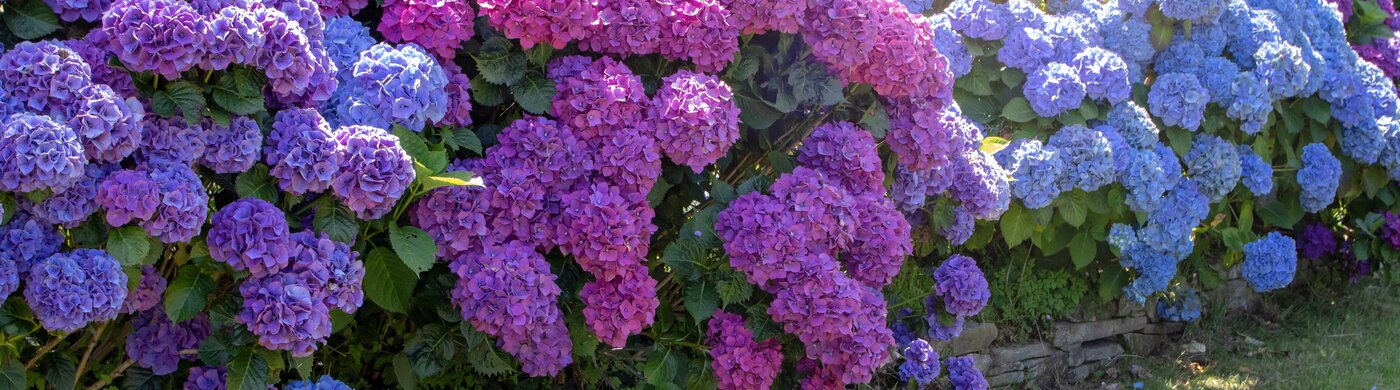
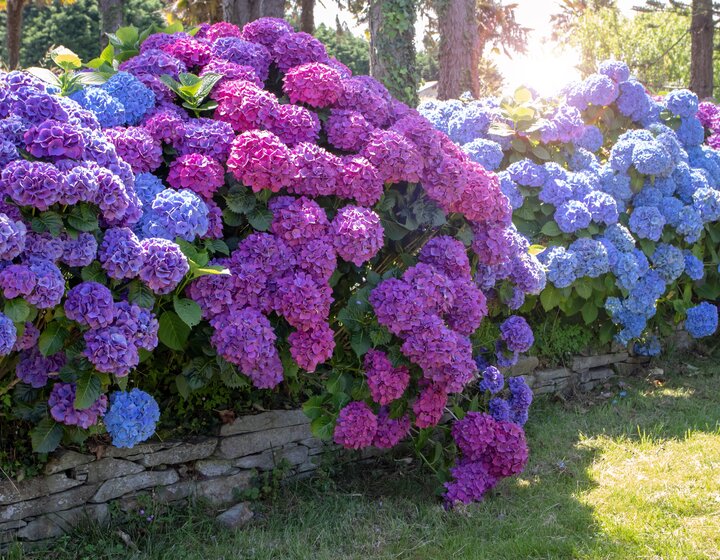
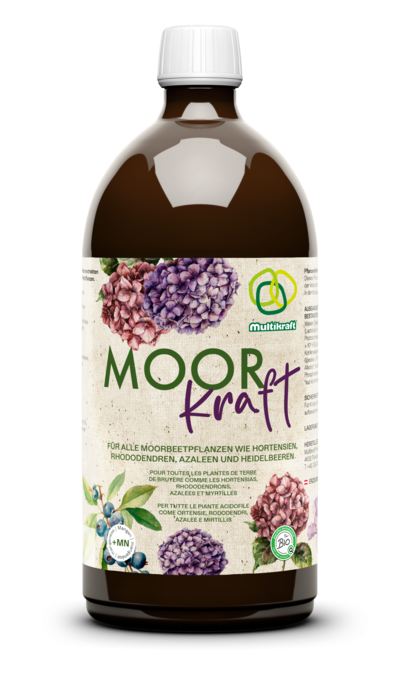
If you want to give your garden a unique atmosphere with bright hydrangeas or tasty blueberries, you should rely on MoorKraft. Effective microorganisms, plant extracts, and manganese strengthen your bog plants from the roots to the flowers.
The benefits of natural plant fortification for bog plants

Natural soil life
A living soil structure is the basis for healthy bog plants. Effective microorganisms and fermented plant extracts promote microbial processes in the soil and help to create a plant-friendly environment that has a long-term effect.

Improved nutrient uptake
In order for bog plants to absorb nutrients optimally, it is important that the pH value is low. Targeted support for the soil with MoorKraft ensures that the pH value remains within the desired range.

Visibly healthier plants
Bog plants with sufficient manganese have rich green leaves and strong shoots. Improved photosynthesis also gives the flowers more energy. In berry bushes such as blueberries, a stable supply also has a positive effect on fruit set.
Questions and answers
In this FAQ section, you will find specific information and answers on the topic of bog plants. If you cannot find what you are looking for here, please take a look at our blog section or fill out our contact form—we will be happy to help you.
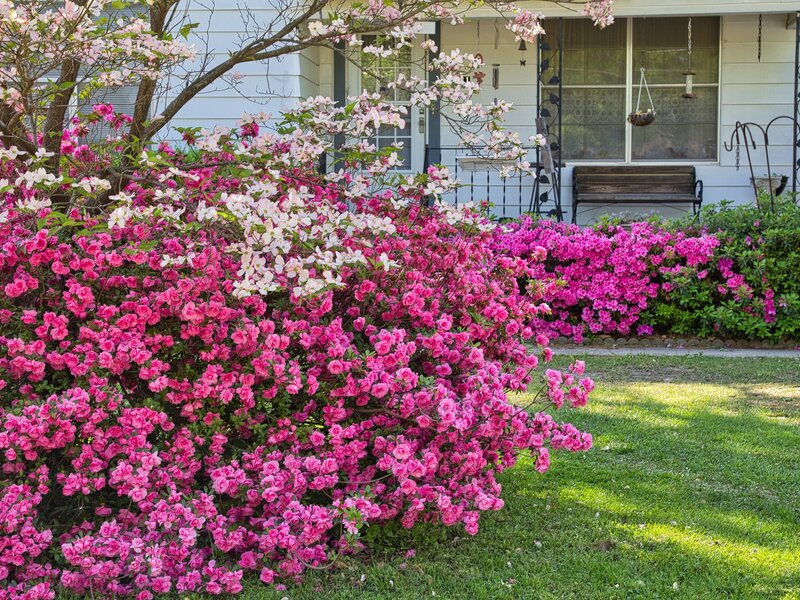
Typical bog plants include rhododendrons, azaleas, camellias, and blueberries. Many types of hydrangeas also thrive in acidic soils. All of these plants prefer a low pH value and humus-rich, low-lime substrates.
Dig out the soil to a depth of about 50 to 80 cm and, ideally, line the area with garden fabric. Then fill the bed with acidic, humus-rich bog soil (preferably with little peat) so that the fine roots can grow well.
Tip: If you have limited space in your garden bed, you can also plant them in a large pot. Blueberries also produce more fruit when several varieties are planted side by side.
Use collected rainwater instead of hard tap water, as calcium blocks the plants’ ability to absorb iron. Watering once a week is sufficient to prevent harmful waterlogging. Also add a manganese supplement to the water, as bog plants urgently need this trace element for healthy photosynthesis.
Sustainable treatment of the plants with effective microorganisms, plant extracts, and manganese ensures a basic supply of nutrients. This is important so that the bog plants can grow healthily, develop intense colors, and develop optimal fruit set.
Yellow leaves are often an indication of excessive pH levels in the soil. In this case, important trace elements can no longer be absorbed. MoorKraft counteracts this development by lowering the pH value of the soil.
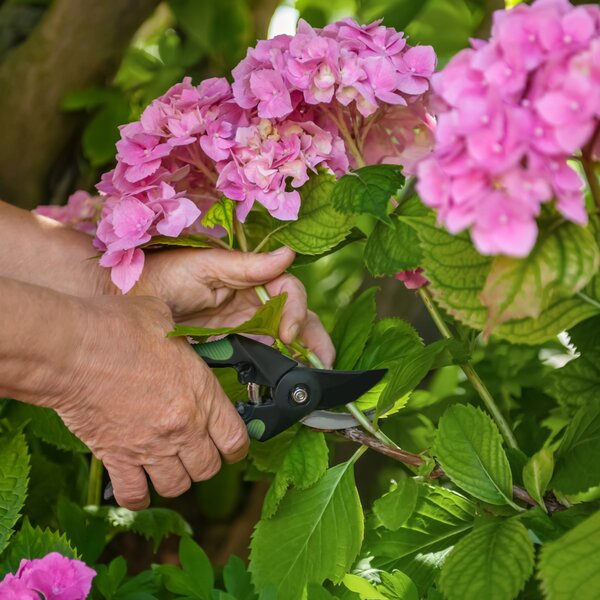
Pruning stimulates growth and encourages the plants to grow back more densely. Depending on the plant, here’s what to do in the spring:
- Farm hydrangeas: Carefully cut back only dead shoots to healthy wood.
- Panicle and snowball hydrangeas: Cut back vigorously to about 20 cm above the ground.
- Blueberries: Remove the oldest shoots just above the ground to make room for new growth.
- Rhododendrons: Generally do not require pruning at all.
Be sure to use a special “acidic fertilizer” to keep the soil’s pH level low. If the pH level is too high, the plants will be unable to absorb iron - a condition indicated by yellow leaves with green veins. The correct pH level is therefore the most important factor for healthy plants.
The benefits of MoorKraft
MoorKraft offers numerous advantages for the care of your bog plants:
- It promotes soil acidification and improves nutrient availability.
- It supplies your bog plants with manganese, resulting in rich green foliage.
- It promotes photosynthesis.
- MoorKraft increases fruit set in blueberries.
- The resistance of the plants is increased.
- The colorful splendor in your garden creates a unique atmosphere thanks to stronger hydrangeas, rhododendrons, and azaleas.
Bog plants: Fertilizing alone is not enough
You should fertilize your bog plants regularly, but that's not all:
- When planting, be sure to choose the right soil and a partially shaded spot. There, your plants will get enough sunlight while avoiding the intense midday heat and waterlogging.
- Proper soil preparation is equally important. Bog plants thrive best in specially prepared beds or sufficiently large containers with bog soil.
- Watering with the MoorKraft water mixture has proven effective in ongoing care.
- In addition to proper fertilization, bog plants benefit greatly from mulching starting in their second or third year. A thin layer of conifer compost made from shredded spruce and fir branches or composted oak and walnut leaves works well for this purpose. The natural tannic acid it contains, along with decomposition by soil organisms such as microorganisms, helps maintain a stable low pH and adds valuable organic matter.
How to properly care for bog plants throughout the year
In spring, most bog plants will benefit from having old shoots cut away and thinning them out. Before adding more soil, it is advisable to remove any weeds that may have formed during the year.
You can also cut these away regularly in summer, but the focus during the hot season should be on watering.
If a lot of leaves fall from surrounding trees and shrubs in autumn, it is best to remove them from the bog beds.
Blog
Interesting and curious facts from the world of gardening
Garden & Plants
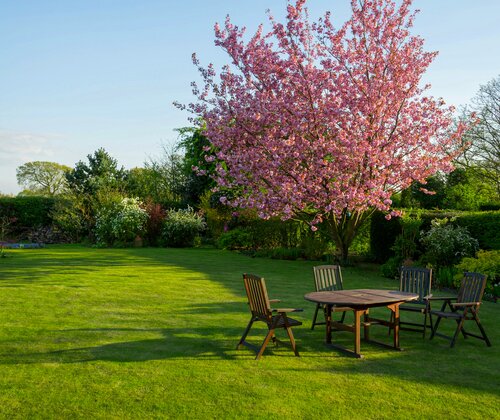
Multi-knowledge: Excellent lawn care—what matters most
A healthy, green lawn is not only a beautiful place to play and relax, but also an important design element. To keep it robust, soft, and a lush green, there are a few things to keep in mind. In this article, we give you practical tips for proper lawn care and show you how to get your garden in top shape for the long term!
Beginner
10 minutes reading time

Garden & Plants
Gardening according to the moon - natural rhythms for a rich harvest
Sowing, planting and harvesting in harmony with the moon and the signs of the zodiac - so your garden can blossom magnificently. We have collected valuable tips on gardening with the moon to help you make the most of each phase!
Beginner
3 minutes reading time
Garden & Plants
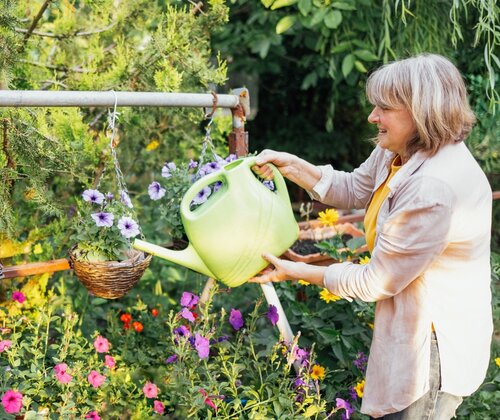
Multi-Knowledge: Two-year-old summer flowers, just like in Grandma's cottage garden
There are gardens that don’t look manicured or perfectly planned - and that’s exactly why they’re so beautiful. Amid lush blooms, fragrant herbs, and buzzing insects, that special atmosphere emerges - one that many still remember from old farm gardens. When hollyhocks sway in the summer breeze, bees flit through the foxgloves, and the scent of night violets wafts through the garden in the evening, your own garden suddenly feels wonderfully timeless.
Beginner
10 minutes reading time
Do you still have questions?
Are you interested in one of Multikraft's products, but are still unsure and would like to find out more?
Our experts will be happy to help you!
