Careers
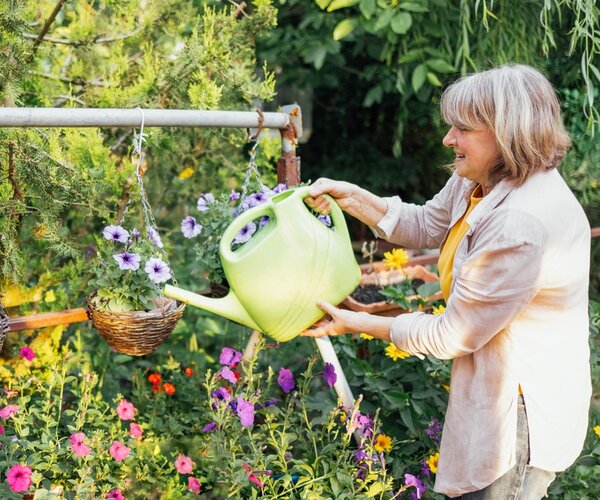
Multi-Knowledge: Two-year-old summer flowers, just like in Grandma's cottage garden
There are gardens that don’t look manicured or perfectly planned - and that’s exactly why they’re so beautiful. Amid lush blooms, fragrant herbs, and buzzing insects, that special atmosphere emerges - one that many still remember from old farm gardens. When hollyhocks sway in the summer breeze, bees flit through the foxgloves, and the scent of night violets wafts through the garden in the evening, your own garden suddenly feels wonderfully timeless.
Beginner
10 minutes reading time
Many of these classic cottage garden flowers used to be a common sight in rural home gardens. They were passed down from generation to generation, self-seeded, and returned year after year.
Biennial summer flowers, in particular, embody this natural charm. They feel familiar, lively, and uncomplicated. Many surprise us year after year with their abundance of blooms—almost as if they were choosing their own spot in the garden.
Many of these classic cottage garden flowers used to be a common sight in rural home gardens. They were passed down from generation to generation, self-seeded, and returned year after year.
Biennial summer flowers, in particular, embody this natural charm. They feel familiar, lively, and uncomplicated. Many surprise us year after year with their abundance of blooms—almost as if they were choosing their own spot in the garden.
What are biennial summer flowers?
Biennial flowers take two years to reach full maturity:
- In the first year, they develop leaves and strong roots.
- In the second year, they bloom, produce seeds, and often self-seed in the garden bed.
Over time, this creates vibrant plant communities that develop naturally - which is precisely what makes traditional cottage gardens so charming. Many of these plants are also particularly valuable to bees, butterflies, and other beneficial insects.
Biennial flowers take two years to reach full maturity:
- In the first year, they develop leaves and strong roots.
- In the second year, they bloom, produce seeds, and often self-seed in the garden bed.
Over time, this creates vibrant plant communities that develop naturally - which is precisely what makes traditional cottage gardens so charming. Many of these plants are also particularly valuable to bees, butterflies, and other beneficial insects.
The most beautiful biennial flowers for the cottage garden
Hollyhocks – Romantic Giant Blooms
With their tall flower spikes, hollyhocks are among the best-known cottage garden plants. They really showcase their nostalgic charm when planted along house walls, fences, or walls. Hollyhocks thrive in a sunny, sheltered spot and bloom from June through September.
Foxglove – Fairytale-like and Bee-Friendly
The elegant bell-shaped flowers magically attract bumblebees and honeybees, making foxglove an important plant for insects. Foxglove thrives in partially shaded areas and often self-seeds. Caution: Foxglove is poisonous.
Bearded carnations – colorful, fragrant wonders
Bearded carnations bring intense colors and a delicate fragrance to the garden. They look especially beautiful in large groups among herbs and perennials. They bloom from early summer through midsummer.
Night-blooming violet – fragrance for balmy summer evenings
Rather reserved during the day, the night-blooming violet releases its wonderful fragrance in the evening. It creates an almost enchanted atmosphere in the garden.
Mullein – wild elegance
With its tall, candle-like flowers, mullein brings structure and a natural look to the flower bed. It fits wonderfully into natural-looking plantings and is ideal for dry and sunny locations.
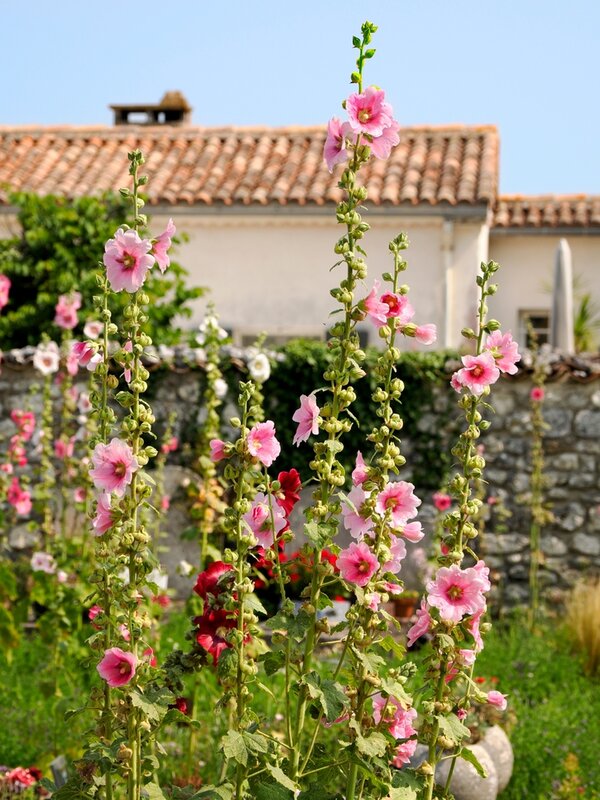
Hollyhocks
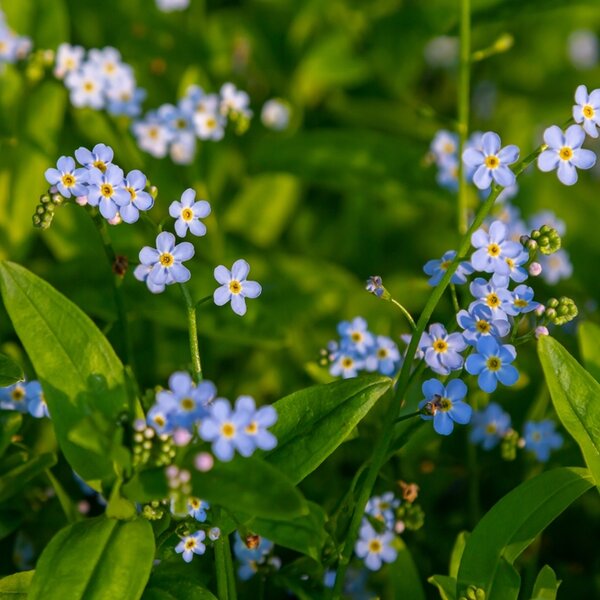
Forget-Me-Not
Bellflower – Nostalgic Cottage Charm
Its large bell-shaped flowers evoke images of old monastery and farm gardens and look especially romantic when planted in loose clusters.
Silverleaf – Beautiful Even After Blooming
After blooming, silvery, shimmering seed heads form, adding beautiful accents in the fall and winter.
Wild Mallow – Natural and Hardy
Wild mallow brings a sense of lightness and a natural wildflower look to the garden and is a favorite among insects.
Forget-Me-Not – Small Flowers with a Big Impact
The delicate blue flowers are among the most beautiful harbingers of spring in the cottage garden and harmonize beautifully with roses and perennials.
Wild teasel – valuable for animals
The striking flower heads attract numerous insects, while the seeds serve as food for many birds in the fall.
At a glance: Sowing biennial flowers
- Sowing: June through August
- Location: sunny to partial shade
- Soil: rich in humus and loose
- Important: Do not remove all seed heads
- Tip: Make sure to allow self-seeding
As a result, many biennial flowers will reappear year after year in new spots around the garden—completely naturally and with little effort.
- Sowing: June through August
- Location: sunny to partial shade
- Soil: rich in humus and loose
- Important: Do not remove all seed heads
- Tip: Make sure to allow self-seeding
As a result, many biennial flowers will reappear year after year in new spots around the garden—completely naturally and with little effort.
Natural plant fertilizer for healthy blooms
A healthy cottage garden always starts with vibrant soil. The looser, richer in humus, and more active the soil is, the more vigorously the plants will grow.
Biennial flowers, in particular, benefit from:
- good soil structure
- sufficient humus
- active microorganisms
- consistent moisture
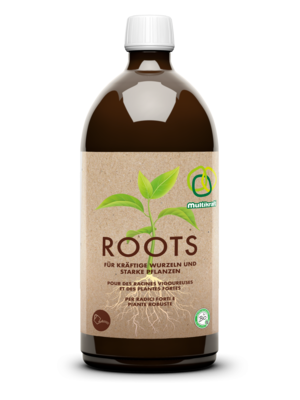
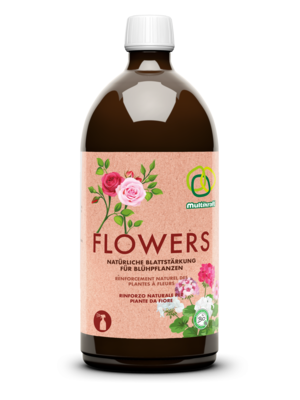
Many gardeners who follow natural gardening practices therefore rely on natural soil improvement and organic plant care. Products such as Roots and Flowers can be used to support root development and promote flowering in a natural way.
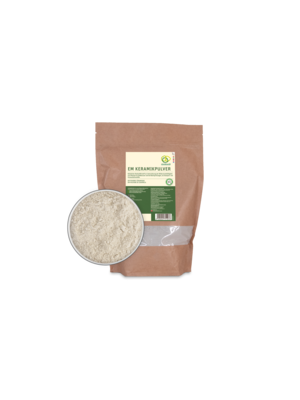
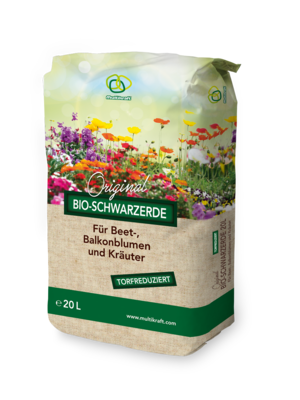
Ceramic powder and organic black soil also help promote soil life and keep the soil fertile in the long term—especially in densely planted flower beds.
This is often evident in cottage gardens: Healthy soils produce robust plants that are significantly more resistant to drought and stress.
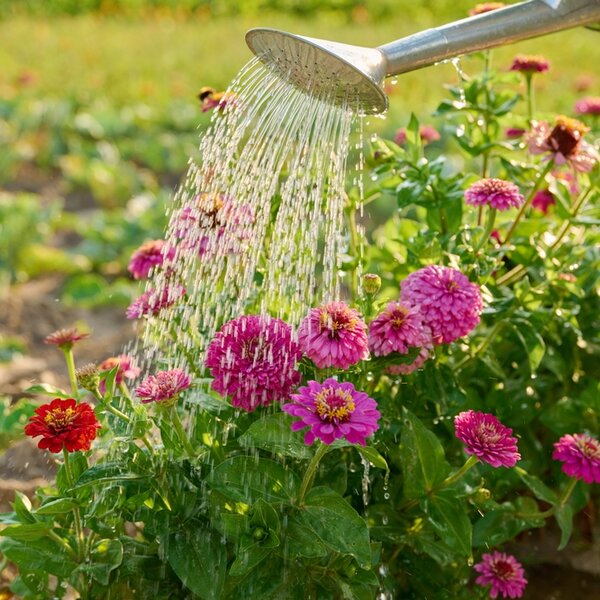
How to create a harmonious cottage garden
The beauty of cottage gardens lies in their relaxed, natural feel. Not every plant needs to be meticulously planned. Often, the most beautiful combinations emerge exactly where flowers find their own place.
The following combinations look particularly harmonious:
- Hollyhocks with delphiniums
- Foxgloves among ferns
- Carnations with daisies
- Forget-me-nots among roses
- Mulleins among grasses and herbs
Leaving some wilted flowers in place also creates valuable habitats and allows many plants to self-seed naturally.
The beauty of cottage gardens lies in their relaxed, natural feel. Not every plant needs to be meticulously planned. Often, the most beautiful combinations emerge exactly where flowers find their own place.
The following combinations look particularly harmonious:
- Hollyhocks with delphiniums
- Foxgloves among ferns
- Carnations with daisies
- Forget-me-nots among roses
- Mulleins among grasses and herbs
Leaving some wilted flowers in place also creates valuable habitats and allows many plants to self-seed naturally.
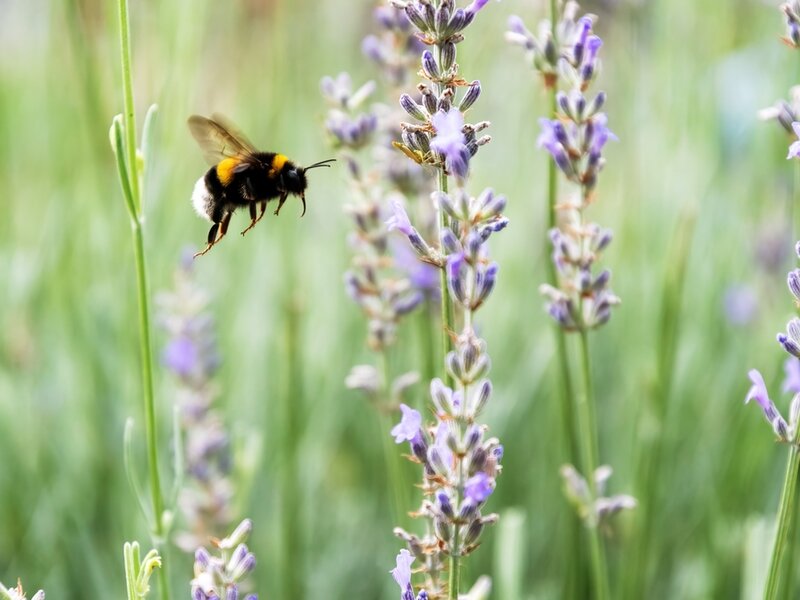
A garden teeming with life and biodiversity
A cottage garden is never just a flower bed. It’s a valuable habitat for bees, butterflies, bumblebees, and birds. All summer long, the air is filled with the buzzing and fluttering of insects among the flowers.
Biennial summer flowers, in particular, help promote this diversity. They look light and natural—almost as if they’ve always been there.
Perhaps it’s these very flowers that show us that a garden doesn’t have to be perfect to be beautiful.
Multiwissen - Barbara's Effective Tips for Every Home
In our blog series “Multiwissen—Barbara’s Effective Tips for Every Home,” discover the best advice from our expert Barbara Enengel for a sustainable home and a thriving garden. Whether you’re looking to clean your living space in an eco-friendly way or transform your garden into a blooming oasis, Barbara’s tips will enrich your everyday life. Stay tuned for inspiring stories and smart life hacks! Barbara Enengel studied agriculture at the University of Natural Resources and Life Sciences, Vienna. She is interested in natural cycles and ecological relationships in nature and the garden. She is particularly committed to creating a diverse and healthy habitat for people, animals, and plants—a principle she passionately puts into practice in her beautifully landscaped and ecologically managed garden.
This may also interest you …
Garden & Plants
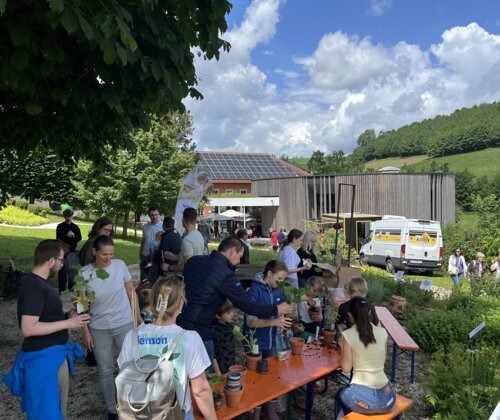
Multikraft 2026 Nature Festival: Record attendance, sunshine, and pure enjoyment of nature
On June 13, the Multikraft campus in Pichl near Wels once again transformed into a lively gathering place for nature lovers, families, and those who appreciate the finer things in life. What was billed as a day filled with nature, socializing, and experiences turned into a special festival—and set a new attendance record: Around 900 guests accepted the invitation to the Nature Festival at Multikraft.
Beginner
5 minutes reading time
Garden & Plants
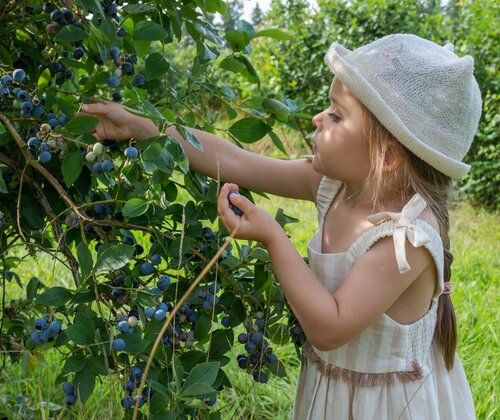
Multi-knowledge: Blueberries – A superfood from your own garden
Freshly picked blueberries straight from your own bush are among the greatest pleasures of gardening. These little blue berries not only taste incredible, but are also packed with valuable nutrients. Antioxidants, vitamins, and phytochemicals make blueberries a true superfood. What’s especially nice: With the right conditions and a natural plant booster, blueberries are very easy to grow in your own garden—and they reward your care year after year with a bountiful harvest.
Beginner
10 minutes reading time
Bio-Kompost (Bokashi)
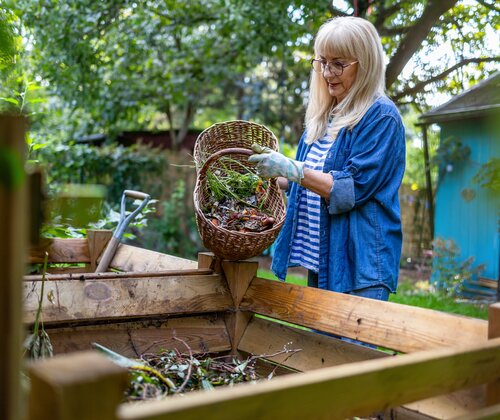
Multi-knowledge: Bokashi in the Garden - Turning Garden Waste into High-Quality Fertilizer
Bokashi allows you to efficiently recycle garden waste directly in the garden bed or yard and turn it into nutrient-rich fertilizer. Unlike traditional composting, the fermentation process ensures that nutrients are largely preserved and become available to plants more quickly. The following article explains how to make bokashi in the garden and which methods are best suited for this purpose.
Beginner
7 minutes reading time
