Careers
current topics
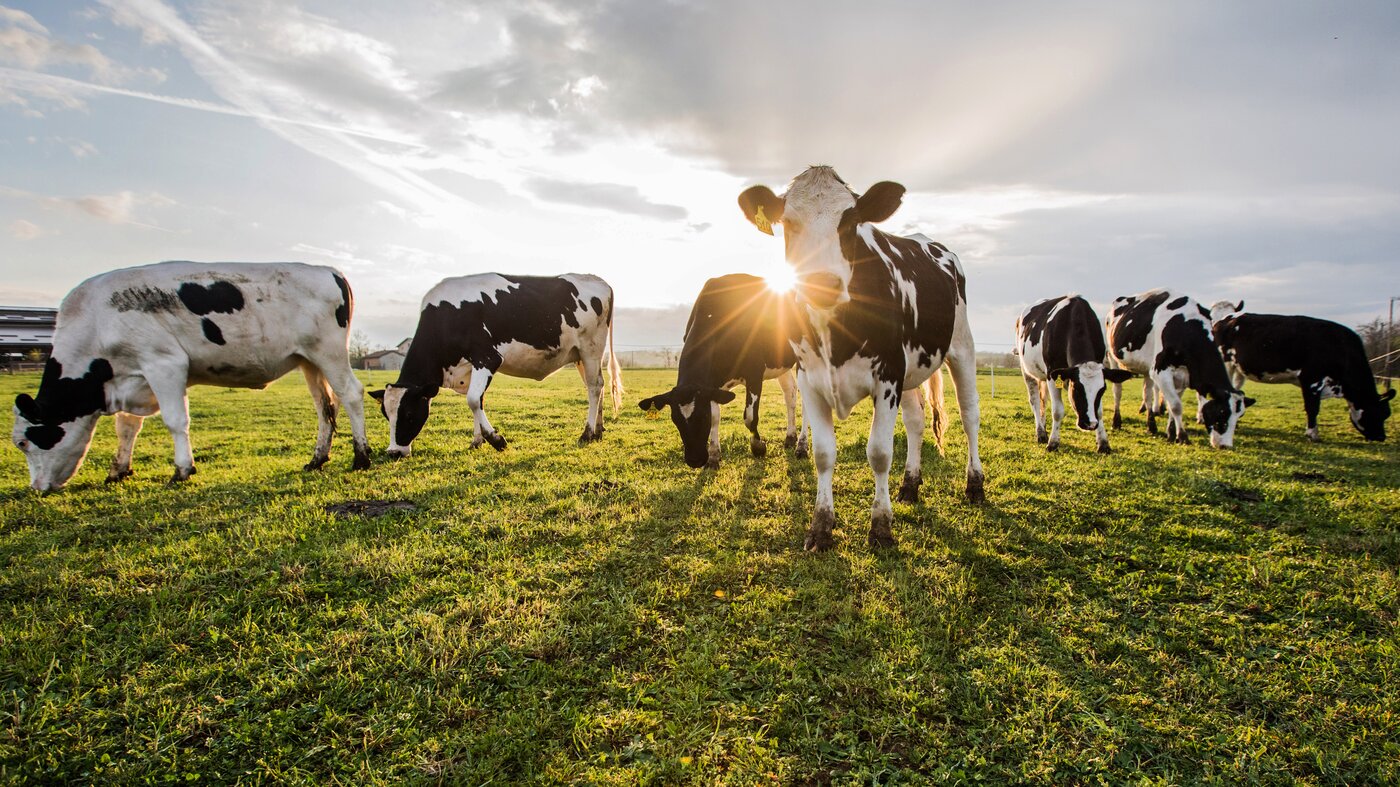
Multikosmos: Efficiency over growth
A New Perspective on the Future of Agriculture - A Conversation with Prof. Dr. Wilhelm Windisch
The idea that progress is inevitably synonymous with growth is deeply ingrained in many people’s minds. However, in the face of an agricultural sector grappling with increasingly scarce resources, mounting climate pressures, and ecological limits, a new way of thinking is gaining ground: farming in harmony with nature.
current topics
Multikosmos: Efficiency over growth
A New Perspective on the Future of Agriculture - A Conversation with Prof. Dr. Wilhelm Windisch
The idea that progress is inevitably synonymous with growth is deeply ingrained in many people’s minds. However, in the face of an agricultural sector grappling with increasingly scarce resources, mounting climate pressures, and ecological limits, a new way of thinking is gaining ground: farming in harmony with nature.
current topics
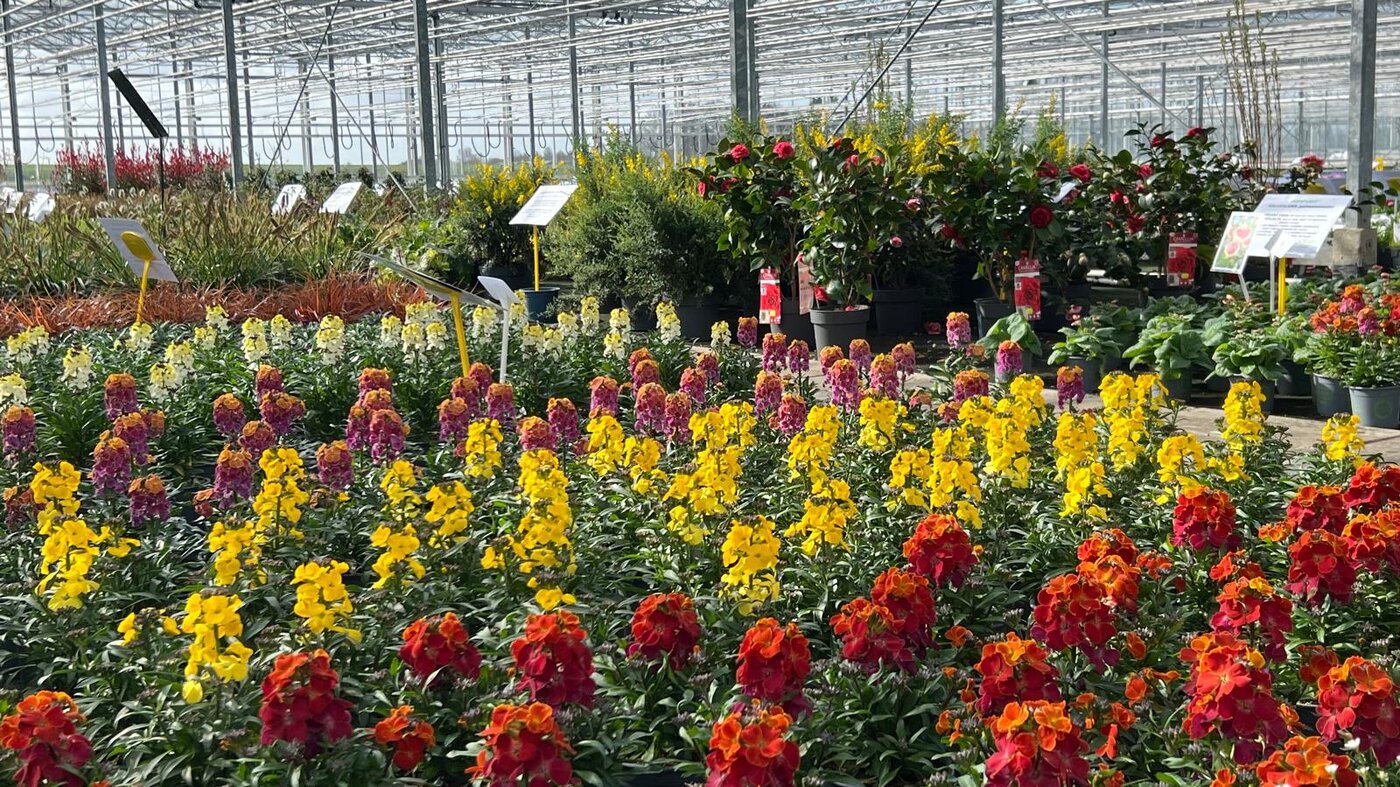
Between garden plants and balcony boxes: How Huyskweker Stouten relies on the Multikraft system
Arjen Stouten runs Huyskweker Stouten V.O.F. in Oosterland, the Netherlands, together with his family. On approximately 1 hectare of greenhouse space, the family-run business professionally cultivates high-quality summer flowers, as well as a wide assortment of bedding and balcony plants and various perennials. A particular focus is on balcony and patio planters, as well as hanging baskets with built-in water reservoirs. The company sells directly to private end customers throughout the Netherlands and a small part of Belgium.
current topics
Between garden plants and balcony boxes: How Huyskweker Stouten relies on the Multikraft system
Arjen Stouten runs Huyskweker Stouten V.O.F. in Oosterland, the Netherlands, together with his family. On approximately 1 hectare of greenhouse space, the family-run business professionally cultivates high-quality summer flowers, as well as a wide assortment of bedding and balcony plants and various perennials. A particular focus is on balcony and patio planters, as well as hanging baskets with built-in water reservoirs. The company sells directly to private end customers throughout the Netherlands and a small part of Belgium.
current topics
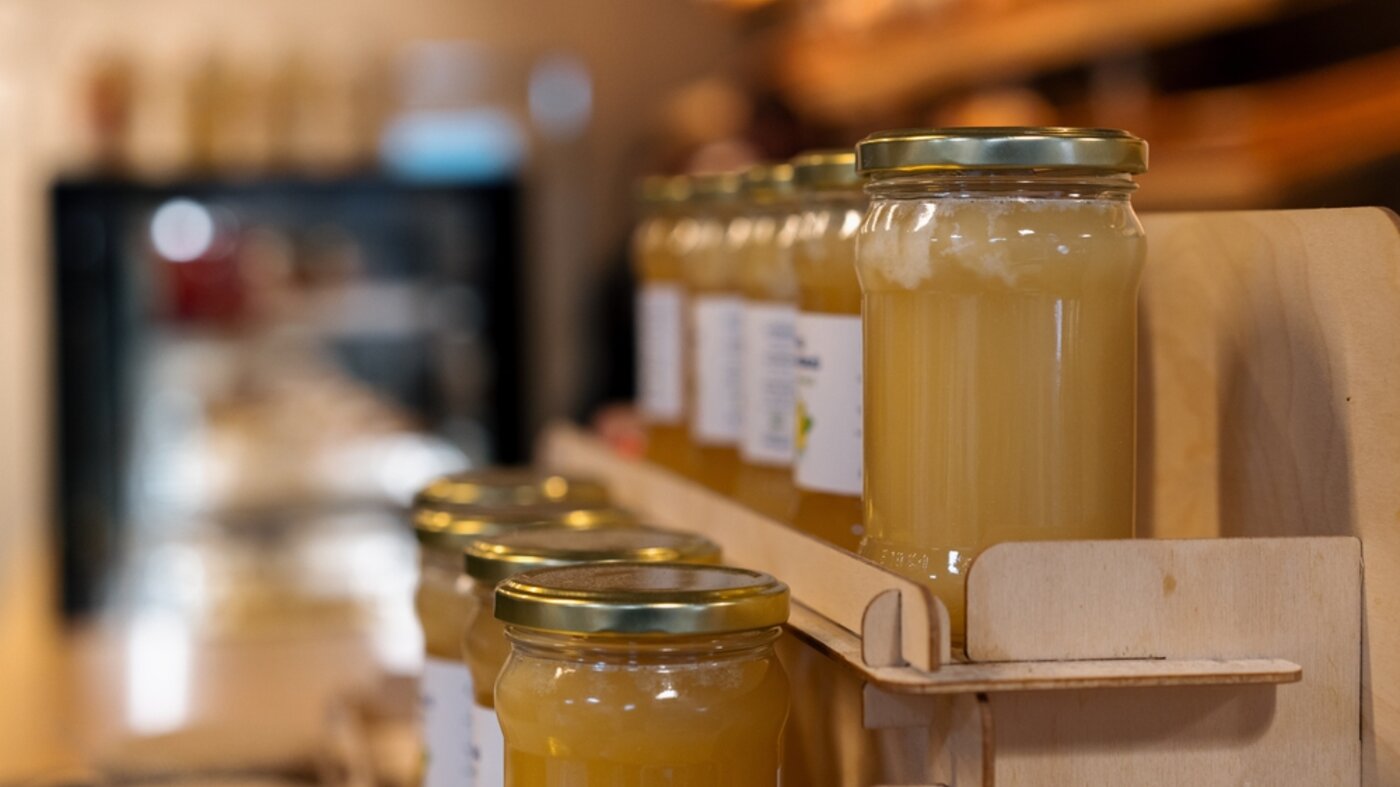
Land Creates Life: Greater Transparency When Buying Honey
New Rules of Origin Effective June 2026
How can you tell if honey is truly from Austria? With regional specialties, organic products, and inexpensive imported blends on the shelves, it’s often not easy for Austrian honey to stand out in the supermarket. While checking the label helps, many origin labels have been rather vague up until now. That’s exactly what the new 2026 amendment to the Honey Regulation is set to change.
current topics
Land Creates Life: Greater Transparency When Buying Honey
New Rules of Origin Effective June 2026
How can you tell if honey is truly from Austria? With regional specialties, organic products, and inexpensive imported blends on the shelves, it’s often not easy for Austrian honey to stand out in the supermarket. While checking the label helps, many origin labels have been rather vague up until now. That’s exactly what the new 2026 amendment to the Honey Regulation is set to change.
Exciting innovations are being developed here
The history of Multikraft began over 40 years ago with the search for eco-friendly alternatives and sustainable solutions in the field of agriculture and animal feeds. For this reason, we have very strong links with animal husbandry and plant cultivation and follow all the latest developments and findings with great interest.
The history of Multikraft began over 40 years ago with the search for eco-friendly alternatives and sustainable solutions in the field of agriculture and animal feeds. For this reason, we have very strong links with animal husbandry and plant cultivation and follow all the latest developments and findings with great interest.
No amounts found
Try the Multikraft well-being blog, which has great recipes, beauty tips and much more.
Land creates life: Hot topic - Grilling mindfully just tastes better
No summer is complete without a barbecue! A fun get-together, a wide variety of dishes in a relaxed atmosphere—for many, firing up the grill is simply part of the warm season. What we put on the grill should be anything but a trivial matter: When you consciously choose seasonal vegetables and high-quality meat from Austria, you’re not just enjoying a meal—you’re also supporting local agriculture and regional economic growth.
Beginner
8 minutes reading time

Multi-knowledge: 8 tips for radiant summer skin
August is the perfect time to enjoy nature to the fullest. Whether you’re hiking, at the lake, in the garden, or on vacation—the sun is a part of many wonderful summer moments. At the same time, your skin is exposed to particular stresses during this season. UV rays, heat, wind, and saltwater or chlorinated water can strain the skin’s natural barrier and strip it of moisture.
With the right skincare, you can help your skin stay healthy, supple, and radiant all summer long. Three factors play a key role here: protection, hydration, and regeneration.
Beginner
7 minutes reading time

Multikosmos: PFAS in Cosmetics—Longevity with a Risk
There is a vast variety of skin care and cosmetic products available. No matter what the problem, the market offers a solution to pamper yourself and your skin. For dry skin, you apply moisturizer diligently; for dandruff, there’s the right shampoo; and for wrinkles, there are numerous formulations designed to make your skin glow. But even products intended for good can often—even expensive ones—contain questionable ingredients. We’re talking about PFAS, the so-called “forever chemicals.” They’re frequently used in cosmetics and other products because of their durability, but they’re facing increasing criticism due to their impact on people and the environment. This article explains what they are, how they work, why they can be harmful, and why natural cosmetics offer a genuine alternative.
Beginner
8 minutes reading time
In the Multikraft home and garden blog, you will find useful tips for your home and interesting articles about gardening.
Garden & Plants
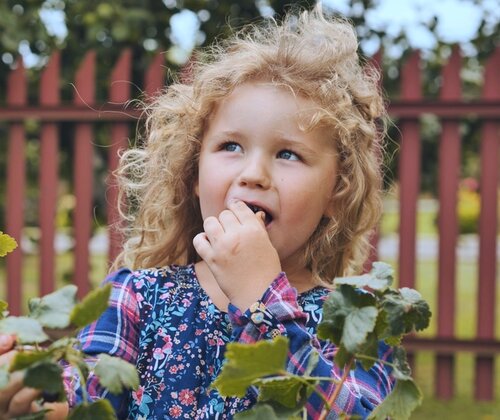
Multiknowledge: New and old wild fruits—hardy treasures for the natural garden
Wild fruit is experiencing a renaissance. What was once a common sight in farm and monastery gardens is now finding its place once again in natural gardens. Whether it’s cornelian cherry, serviceberry, or medlar—these old-fashioned trees and shrubs delight with their magnificent blooms, aromatic fruits, and hardiness. At the same time, they provide valuable food for bees, butterflies, and birds and create habitats right on your doorstep. With healthy soil and the support of Effective Microorganisms, they thrive and enrich the garden for many decades.
Beginner
6 minutes reading time
Garden & Plants
Multikosmos: A Success Story
“In times of need, we come together more closely”
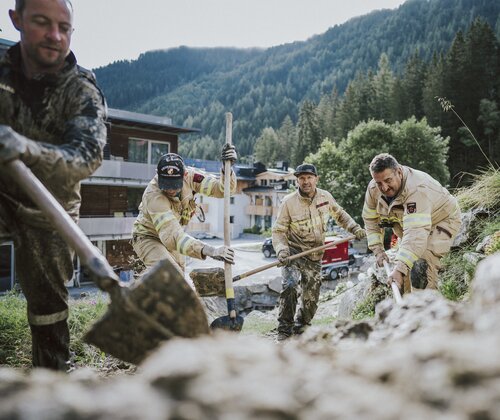
St. Anton am Arlberg is known far beyond Austria’s borders as a legendary ski resort. Lush green meadows in summer or snow-capped mountains in winter are what most people think of first when they hear the name. But in August 2024, severe storms rocked the idyllic region. Heavy rain triggered mudslides in parts of the Landeck and Innsbruck-Land districts, causing widespread flooding. St. Anton (Landeck district) closed mountain railways and roads, bringing daily life to a standstill for a moment. During those days, it became clear how quickly a familiar living environment can turn into a crisis zone—and how crucial solidarity is when the familiar suddenly collapses.
Beginner
8 minutes reading time
Garden & Plants
Two-year-old summer flowers, just like in Grandma's cottage garden
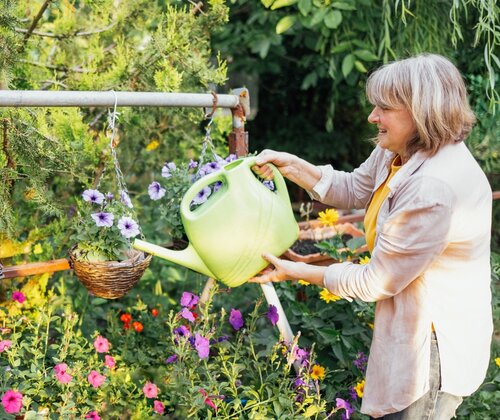
There are gardens that don’t look manicured or perfectly planned - and that’s exactly why they’re so beautiful. Amid lush blooms, fragrant herbs, and buzzing insects, that special atmosphere emerges - one that many still remember from old farm gardens. When hollyhocks sway in the summer breeze, bees flit through the foxgloves, and the scent of night violets wafts through the garden in the evening, your own garden suddenly feels wonderfully timeless.
Beginner
10 minutes reading time
