Careers
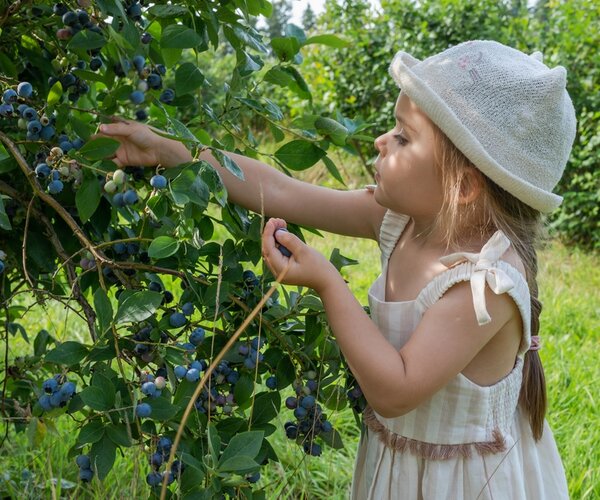
Multi-knowledge: Blueberries – A superfood from your own garden
Freshly picked blueberries straight from your own bush are among the greatest pleasures of gardening. These little blue berries not only taste incredible, but are also packed with valuable nutrients. Antioxidants, vitamins, and phytochemicals make blueberries a true superfood. What’s especially nice: With the right conditions and a natural plant booster, blueberries are very easy to grow in your own garden—and they reward your care year after year with a bountiful harvest.
Beginner
10 minutes reading time
Why blueberries have special needs
Anyone who has ever harvested their own blueberries knows that the taste of freshly picked berries is incomparable to store-bought ones. However, for blueberries to grow healthily and produce plenty of flavorful fruit, they need conditions that closely resemble their natural habitat.
Blueberries belong to the so-called bog plants and love one thing above all else: acidic soil. In many home gardens, however, the soil tends to be quite calcareous. The result: the plants struggle, the leaves turn yellow, and there is no harvest. That is why proper soil preparation is crucial for healthy plants and sweet fruit.
Anyone who has ever harvested their own blueberries knows that the taste of freshly picked berries is incomparable to store-bought ones. However, for blueberries to grow healthily and produce plenty of flavorful fruit, they need conditions that closely resemble their natural habitat.
Blueberries belong to the so-called bog plants and love one thing above all else: acidic soil. In many home gardens, however, the soil tends to be quite calcareous. The result: the plants struggle, the leaves turn yellow, and there is no harvest. That is why proper soil preparation is crucial for healthy plants and sweet fruit.
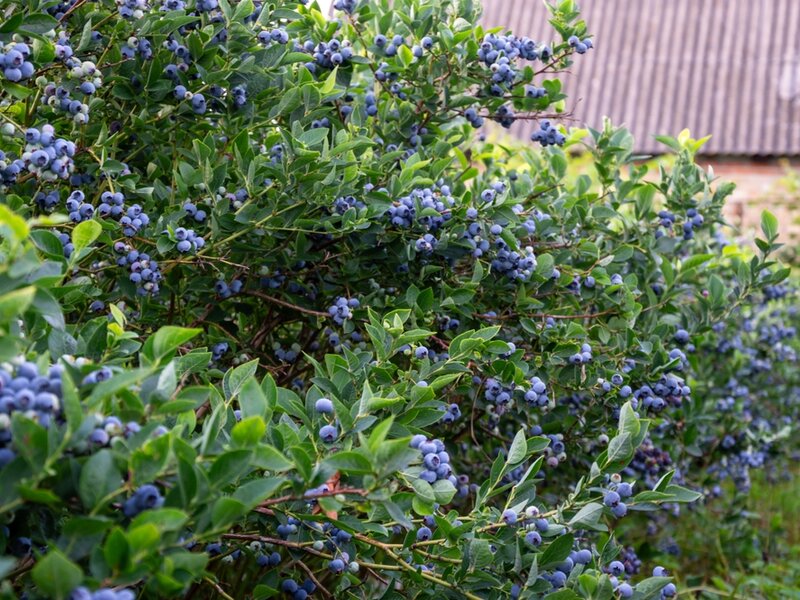
The perfect spot for blueberries
Blueberries prefer bright locations with plenty of sun, but cannot tolerate extreme midday heat. A spot in the garden with light partial shade offers ideal conditions. It is especially important to have loose, humus-rich, acidic soil with a low pH level. Only then can blueberries optimally absorb the necessary nutrients and grow vigorously.
How to plant blueberries properly
How to Plant Blueberries Properly: The foundation for a bountiful harvest is laid right from the start. To ensure this, the soil should be thoroughly prepared:
- Digging the planting hole: It’s best to dig the planting hole about 50 to 80 centimeters deep.
- Fill with soil: Fill the hole with special bog soil. A high humus content ensures that the fine roots can grow optimally.
- Planting in a pot: Blueberries also thrive in large containers, transforming your patio or balcony into a little berry corner for snacking.
Our tip for a higher yield: Planting several bushes together—including different varieties—results in significantly more fruit. Although blueberries are self-fertile, cross-pollination noticeably improves the yield.
Proper Watering
Blueberries are somewhat sensitive when it comes to watering. They do not tolerate hard tap water well, which is why collected rainwater is ideal. It is also important to avoid waterlogging, as the fine roots are sensitive to excessive moisture. In most cases, thorough watering once a week is sufficient.

Pruning and caring for blueberries
The Right Pruning for a Higher Yield
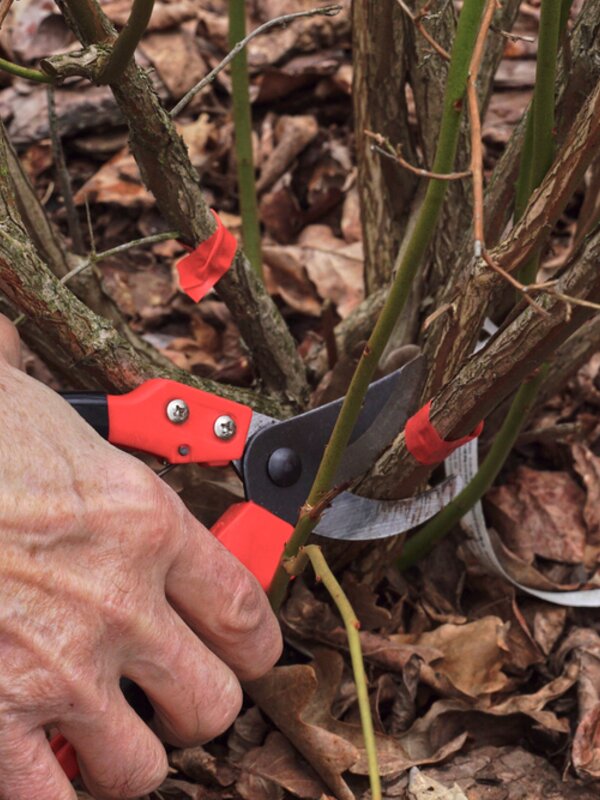
To ensure that blueberries grow vigorously and bear plenty of fruit year after year, they benefit from regular pruning. Older shoots in particular should be removed so that new, strong young shoots can grow in their place. To do this, cut the oldest branches back just above the ground. This keeps the bush healthy, dense, and productive.
Acidic Fertilizer to Prevent Nutrient Deficiencies
Since blueberries thrive in acidic soil, only use specialized fertilizers designed for bog plants. These maintain the soil’s low pH and prevent nutrient deficiencies. If the soil is too alkaline, blueberries can no longer absorb iron properly. Typical signs of this include yellow leaves with dark green veins. Healthy soil is therefore the most important foundation for vigorous plants and flavorful fruit.
Mulching for healthy plants
Mulching is also beneficial for the plants. Ideal options include:
- Acidic pine needle compost
- Shredded fir or spruce branches
- Composted walnut or oak leaves
The mulch layer protects the soil from drying out, promotes soil life, and helps maintain a stable acidic pH level. Microorganisms slowly break down the material and provide the soil with additional valuable nutrients.
Bottom line: Fresh, healthy, and straight from the garden
Freshly picked blueberries taste like summer, sunshine, and the joy of gardening. Whether eaten straight from the bush, added to breakfast cereal, blended into a smoothie, or served as a dessert—these little berries are incredibly versatile and a real highlight from your own garden.
If you provide your blueberries with the right conditions and support them naturally, you’ll be rewarded year after year with healthy bushes and a bountiful harvest. And is there anything better than snacking on sweet blueberries straight from the bush on a warm summer day?
Freshly picked blueberries taste like summer, sunshine, and the joy of gardening. Whether eaten straight from the bush, added to breakfast cereal, blended into a smoothie, or served as a dessert—these little berries are incredibly versatile and a real highlight from your own garden.
If you provide your blueberries with the right conditions and support them naturally, you’ll be rewarded year after year with healthy bushes and a bountiful harvest. And is there anything better than snacking on sweet blueberries straight from the bush on a warm summer day?
Multiwissen - Barbara's Practical Tips for Every Home
Discover the best advice from our expert Barbara Enengel for a sustainable home and a blooming garden in our blog series “Multiwissen – Barbara’s Effective Tips for Every Home.” Whether you’re looking to clean your living space using eco-friendly methods or transform your garden into a blooming oasis, Barbara’s tips will enrich your daily life. Stay tuned for inspiring stories and smart life hacks! Barbara Enengel studied agriculture at the University of Natural Resources and Life Sciences, Vienna. She is interested in natural cycles and ecological relationships in nature and the garden. She is particularly passionate about creating a diverse and healthy habitat for people, animals, and plants—a principle she passionately puts into practice in her beautifully landscaped and ecologically managed garden.
This may also interest you …
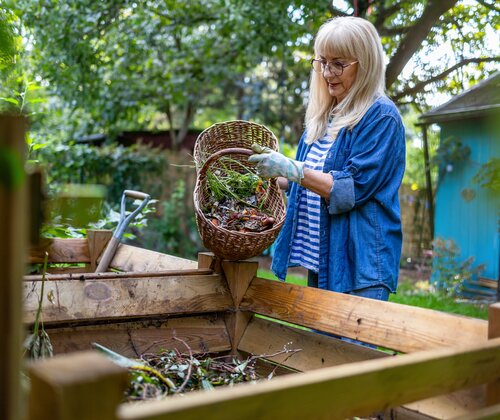
Bio-Kompost (Bokashi)
Multi-knowledge: Bokashi in the Garden - Turning Garden Waste into High-Quality Fertilizer
Bokashi allows you to efficiently recycle garden waste directly in the garden bed or yard and turn it into nutrient-rich fertilizer. Unlike traditional composting, the fermentation process ensures that nutrients are largely preserved and become available to plants more quickly. The following article explains how to make bokashi in the garden and which methods are best suited for this purpose.
Beginner
7 minutes reading time
Garden & Plants
Multi-knowledge: Perennial Vegetables – Vegetable Plants That Last for Years
Permaveggis aren’t high-maintenance. These perennial vegetable plants are the marathon runners of the vegetable garden. Once planted, they stay put. They put down deep roots, withstand frost, survive dry spells, and deliver a harvest year after year—often long after annual crops are still listed in seed catalogs.
Perennial vegetables bring stability to the system: less digging, less replanting, less stress. Instead: strong roots, vibrant soil, and a garden that grows stronger with each passing year—nurtured with probiotic plant fortification, completely organic.
Beginner
5 minutes reading time

Garden & Plants
Multikosmos: What matters is consistency
Column by Anne Lorch and Susanne Schütz
Change is sweeping the globe at every level, with a wide range of alarming consequences. New ideas for resolving this dilemma are emerging, requiring trust in simple and positive solutions. The use of Effective Microorganisms has established itself as a reliable means of supporting a more livable environment.
Beginner
7 minutes reading time
