Careers
Multi-knowledge: Bokashi in the Garden - Turning Garden Waste into High-Quality Fertilizer
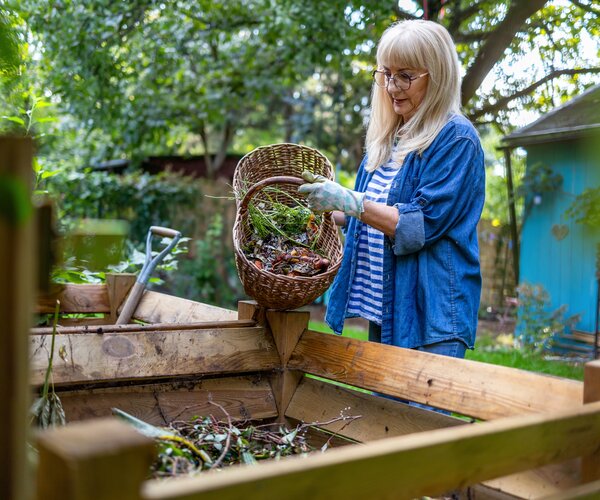
Bokashi allows you to efficiently recycle garden waste directly in the garden bed or yard and turn it into nutrient-rich fertilizer. Unlike traditional composting, the fermentation process ensures that nutrients are largely preserved and become available to plants more quickly. The following article explains how to make bokashi in the garden and which methods are best suited for this purpose.
Beginner
7 minutes reading time
What is bokashi in the garden?
Bokashi is fermented organic material produced under low-oxygen conditions. Instead of being composted in the traditional way, plant residues are fermented using Effective Microorganisms. As a result, nutrients are largely preserved and become available to the soil more quickly.
Bokashi is fermented organic material produced under low-oxygen conditions. Instead of being composted in the traditional way, plant residues are fermented using Effective Microorganisms. As a result, nutrients are largely preserved and become available to the soil more quickly.
Benefits of Bokashi in the Garden
Making bokashi right in the garden offers numerous benefits. Organic material can be processed quickly, while fermentation preserves the nutrients. When used properly, it also produces virtually no odor. At the same time, it sustainably improves soil structure: it specifically promotes a stable crumb structure and humus formation.
Bokashi also excels as an organic fertilizer. The nutrients it contains are gently preserved during fermentation and gradually released into the soil, ensuring a continuous supply to plants. Soil organisms also benefit from readily available energy sources, which increases their activity. At the same time, nutrient leaching is reduced and soil fertility is enhanced in the long term. Overall, the process is faster and results in fewer losses than traditional composting.
Another key effect is the activation of soil life. Microorganisms multiply, earthworms and other soil organisms are attracted, and microbial diversity increases. This promotes humus formation and stable nutrient cycles—the foundation for loose, living, and fertile soil.
Raw materials
Making bokashi in the garden is simple and doesn’t require any complicated equipment. You’ll need:
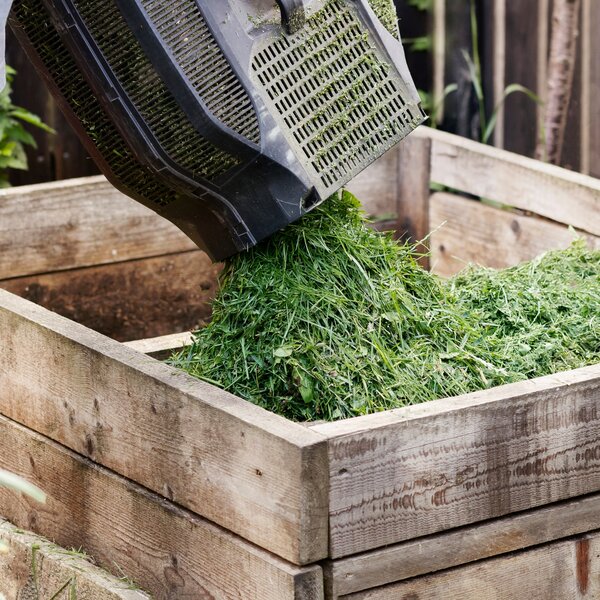
- Fresh, chopped garden waste (grass clippings, leaves, plant trimmings, crop residues)
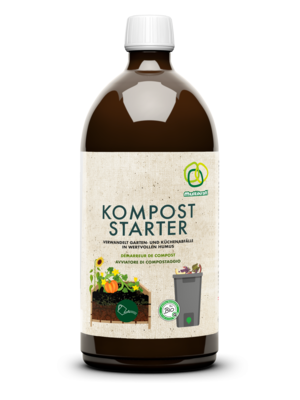
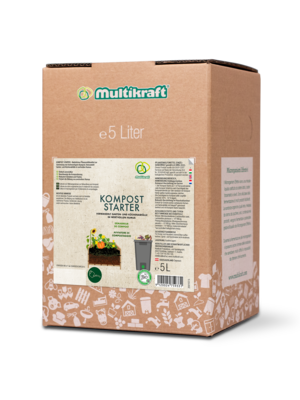
- Effective microorganisms (Compost Starter)
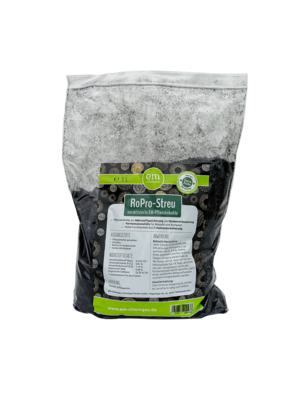
- Optional: Zeobas primary rock powder and RoPro litter for nutrient retention
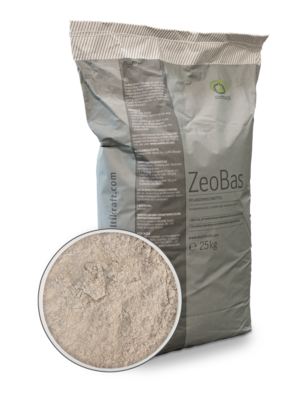
Zeobas - a primary rock powder made from zeolite and basalt - acts as a nutrient and water reservoir in the soil, serves as a nesting site for microorganisms, and binds odors. As a rough guideline, use 4 kg of Zeobas per cubic meter of garden waste.
RoPro litter – a fermentation aid made from biochar and Effective Microorganisms for Terra Preta production – ensures sustainable soil fertility and high-yielding soils. Add approximately 10% by volume during bokashi production.
Making Bokashi in the Garden: 3 Simple Methods
Depending on your garden setup and the amount of material, bokashi can be made in different ways:
Bokashi in a Pile
The most common method is to make it in a pile. Chopped-up garden waste is layered, with each layer treated with Effective Microorganisms (compost starter) and optionally supplemented with rock flour and biochar. The material is well compacted to reduce oxygen, and then covered airtight with plastic sheeting. This method is particularly flexible, easy to implement, and well-suited for larger quantities of garden waste.
Bokashi in a pit
Another option is fermentation in a pit. To do this, dig a pit about 30 to 50 cm deep, fill it with shredded garden waste, and add microorganisms as well as optional additives. After compacting, cover the material with soil. This method ensures a natural airtight seal and can be discreetly integrated into the garden.
Alternatively, bokashi can also be produced in airtight bags or barrels using the same principle. The fermentation time depends on the temperature and is usually 4–6 weeks. In all cases, it is crucial to ensure the container is as airtight as possible, since fermentation takes place under anaerobic conditions.
Depending on your garden setup and the amount of material, bokashi can be made in different ways:
Bokashi in a Pile
The most common method is to make it in a pile. Chopped-up garden waste is layered, with each layer treated with Effective Microorganisms (compost starter) and optionally supplemented with rock flour and biochar. The material is well compacted to reduce oxygen, and then covered airtight with plastic sheeting. This method is particularly flexible, easy to implement, and well-suited for larger quantities of garden waste.
Bokashi in a pit
Another option is fermentation in a pit. To do this, dig a pit about 30 to 50 cm deep, fill it with shredded garden waste, and add microorganisms as well as optional additives. After compacting, cover the material with soil. This method ensures a natural airtight seal and can be discreetly integrated into the garden.
Alternatively, bokashi can also be produced in airtight bags or barrels using the same principle. The fermentation time depends on the temperature and is usually 4–6 weeks. In all cases, it is crucial to ensure the container is as airtight as possible, since fermentation takes place under anaerobic conditions.
Application and Use
After fermentation, the bokashi is put to further use. For garden beds or raised beds, it is placed in furrows, covered with soil, and should then be left to mature for about 2 to 3 weeks. Only then is the material fully safe for plants.
Bokashi can also be used as an organic fertilizer by making small holes in the soil around heavy feeders or, for example, in the outer crown area of trees. Older (fruit) trees, in particular, regain new vitality for growth and fruiting this way. It is important to maintain some distance from the roots to avoid damaging the delicate root structures.
When bokashi is applied directly to the garden bed, there is no need for traditional “spreading.” Instead, the bokashi immediately becomes part of the bed:
- After about 2–4 weeks, the conversion into plant-available nutrients begins
- A planting break of about 2 weeks after incorporation is recommended
- Afterward, the bed can be used as usual
This method is ideal for preparing planting areas between two crops.
Conclusion
Making bokashi right in the garden is a simple and efficient way to recycle organic garden waste in line with the principles of a circular economy. The fermentation process produces a nutrient-rich fertilizer that improves soil fertility, sustainably stimulates soil life, and lays the foundation for healthy plants. Different preparation methods allow for flexible adaptation to the specific conditions in your garden.
Making bokashi right in the garden is a simple and efficient way to recycle organic garden waste in line with the principles of a circular economy. The fermentation process produces a nutrient-rich fertilizer that improves soil fertility, sustainably stimulates soil life, and lays the foundation for healthy plants. Different preparation methods allow for flexible adaptation to the specific conditions in your garden.
Multiwissen - Barbara's Practical Tips for Every Home
Discover the best advice from our expert Barbara Enengel for a sustainable home and a blooming garden in our blog series “Multiwissen – Barbara’s Effective Tips for Every Home.” Whether you’re looking to clean your living space using eco-friendly methods or transform your garden into a blooming oasis, Barbara’s tips will enrich your daily life. Stay tuned for inspiring stories and smart life hacks! Barbara Enengel studied agriculture at the University of Natural Resources and Life Sciences, Vienna. She is interested in natural cycles and ecological relationships in nature and the garden. She is particularly passionate about creating a diverse and healthy habitat for people, animals, and plants—a principle she passionately puts into practice in her beautifully landscaped and ecologically managed garden.
This may also interest you …
Garden & Plants
Multi-knowledge: Perennial Vegetables – Vegetable Plants That Last for Years
Permaveggis aren’t high-maintenance. These perennial vegetable plants are the marathon runners of the vegetable garden. Once planted, they stay put. They put down deep roots, withstand frost, survive dry spells, and deliver a harvest year after year—often long after annual crops are still listed in seed catalogs.
Perennial vegetables bring stability to the system: less digging, less replanting, less stress. Instead: strong roots, vibrant soil, and a garden that grows stronger with each passing year—nurtured with probiotic plant fortification, completely organic.
Beginner
5 minutes reading time

Garden & Plants
Multikosmos: What matters is consistency
Column by Anne Lorch and Susanne Schütz
Change is sweeping the globe at every level, with a wide range of alarming consequences. New ideas for resolving this dilemma are emerging, requiring trust in simple and positive solutions. The use of Effective Microorganisms has established itself as a reliable means of supporting a more livable environment.
Beginner
7 minutes reading time
Household
Multi-knowledge: Spring cleaning that lasts
As soon as spring arrives and the sun regains its strength, the effects of wind, snow, and frosty days become visible. Windows appear dull, green deposits have formed on the patio, and dirt films in the greenhouse obscure the important light. Thorough cleaning not only brings new shine, but also more light, improved living quality, and better conditions for healthy plant growth. With probiotic Multikraft cleaners and ReinZeit wipes, spring cleaning is effective, gentle, and sustainable.
Beginner
5 minutes reading time
