Careers
Multiknowledge: New and old wild fruits—hardy treasures for the natural garden
Wild fruit is experiencing a renaissance. What was once a common sight in farm and monastery gardens is now finding its place once again in natural gardens. Whether it’s cornelian cherry, serviceberry, or medlar—these old-fashioned trees and shrubs delight with their magnificent blooms, aromatic fruits, and hardiness. At the same time, they provide valuable food for bees, butterflies, and birds and create habitats right on your doorstep. With healthy soil and the support of Effective Microorganisms, they thrive and enrich the garden for many decades.
Beginner
6 minutes reading time
Why are wild berries making a comeback right now?
For a long time, native wild fruit species were displaced by exotic ornamental trees and shrubs. Today, they are becoming more common again: they are hardy, low-maintenance, promote biodiversity, and often cope better with the challenges of climate change than many delicate cultivated varieties.
For a long time, native wild fruit species were displaced by exotic ornamental trees and shrubs. Today, they are becoming more common again: they are hardy, low-maintenance, promote biodiversity, and often cope better with the challenges of climate change than many delicate cultivated varieties.
The benefits of wild berries at a glance
Wild fruit trees combine numerous qualities that enrich modern gardens:
- Native species promote biodiversity
- Valuable flowers for bees and other pollinators
- Fruits as food for birds and wildlife
- Hardy trees and shrubs with high resilience
- generally low maintenance
- decorative flowers, fruits, and fall colors
- healthy fruits with high levels of vitamins and phytochemicals
Many wild fruit species also cope better with changing weather conditions than sensitive cultivated varieties and are therefore ideal for a climate-adapted garden.
Wild fruit trees combine numerous qualities that enrich modern gardens:
- Native species promote biodiversity
- Valuable flowers for bees and other pollinators
- Fruits as food for birds and wildlife
- Hardy trees and shrubs with high resilience
- generally low maintenance
- decorative flowers, fruits, and fall colors
- healthy fruits with high levels of vitamins and phytochemicals
Many wild fruit species also cope better with changing weather conditions than sensitive cultivated varieties and are therefore ideal for a climate-adapted garden.
Wild fruit varieties for the garden
Each type of wild fruit has its own unique characteristics:
Each type of wild fruit has its own unique characteristics:
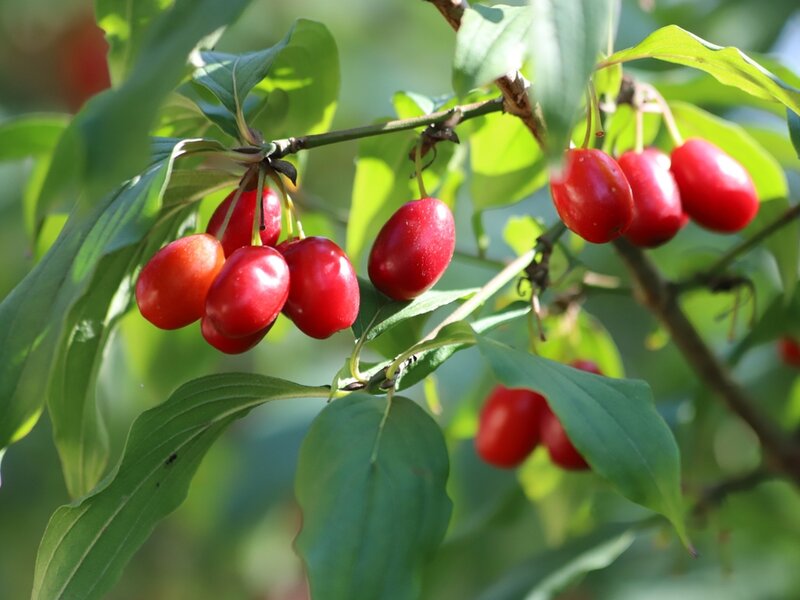
Cornel cherry (Dirndl)
Their bright yellow flowers appear as early as early spring—often even before other trees and shrubs begin to bud. They are among the first important food sources for bees. The red fruits are excellent for jam, juice, or liqueur.
Rock Pear
The rock pear delights with a profusion of white flowers in spring, edible fruits in summer, and spectacular fall colors. The small berries taste similar to blueberries, with a subtle hint of almond.
Blackthorn
The blackthorn is one of the most valuable native wild shrubs. Its white flowers appear as early as March and provide food for numerous insects. The blue fruits develop their full flavor only after the first frosts.
Kornelkirsche
Aronia
Elderberry
Black elderberry is a true all-rounder. Its flowers can be made into syrup, and its berries into juice or jelly. At the same time, it provides an important habitat for numerous bird species.
Wild Roses
Wild roses adorn the garden with simple flowers that are popular with insects. In the fall, they produce vitamin-rich rose hips that serve as food for both people and birds.
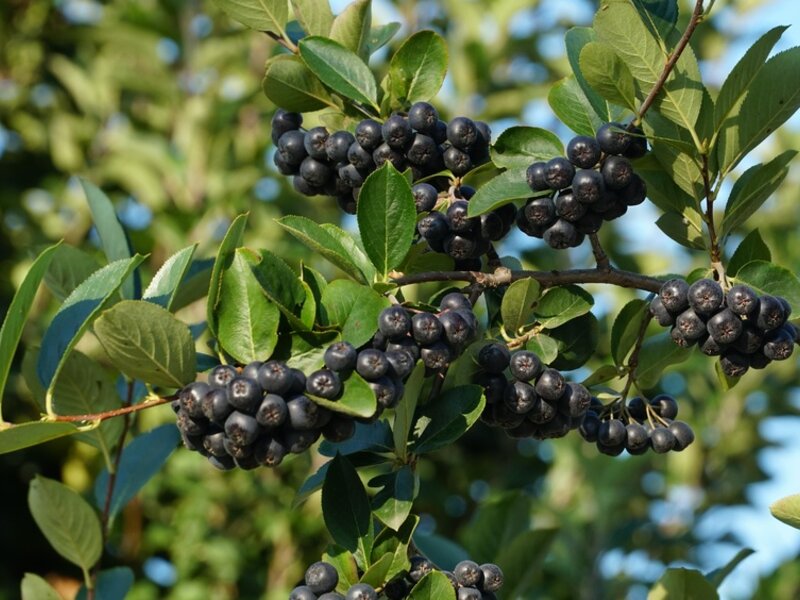
Aronia
The aronia berry is becoming increasingly popular due to its high antioxidant content. It is ideal for natural gardens and produces a bountiful harvest.
The Medlar - An almost forgotten treasure
In the Middle Ages, the medlar was one of the most popular fruit trees in Europe and was widely grown in monastery and farm gardens. With the advent of modern fruit varieties, however, it gradually fell into obscurity. Today, it is making a comeback—not only because of its extraordinary fruit, but also due to its hardiness and ecological value. Its large white flowers provide food for numerous insects, and the fruit develops its characteristic sweet, fruity aroma after the first frost or a period of post-harvest ripening.
In the Middle Ages, the medlar was one of the most popular fruit trees in Europe and was widely grown in monastery and farm gardens. With the advent of modern fruit varieties, however, it gradually fell into obscurity. Today, it is making a comeback—not only because of its extraordinary fruit, but also due to its hardiness and ecological value. Its large white flowers provide food for numerous insects, and the fruit develops its characteristic sweet, fruity aroma after the first frost or a period of post-harvest ripening.
A wild fruit hedge—more than just a privacy screen
A mixed wild fruit hedge is one of the most valuable habitats in the garden. Such a hedge blooms for many weeks, bears fruit from summer through winter, and provides sheltered nesting sites for birds as well as refuge for hedgehogs and numerous insects.
A mixed wild fruit hedge is one of the most valuable habitats in the garden. Such a hedge blooms for many weeks, bears fruit from summer through winter, and provides sheltered nesting sites for birds as well as refuge for hedgehogs and numerous insects.
Location and planting
Most wild fruit species prefer a sunny to partially shaded location with loose, humus-rich soil. They require sufficient water during the establishment phase. Once the root system is well developed, many species can cope surprisingly well with even prolonged dry spells.
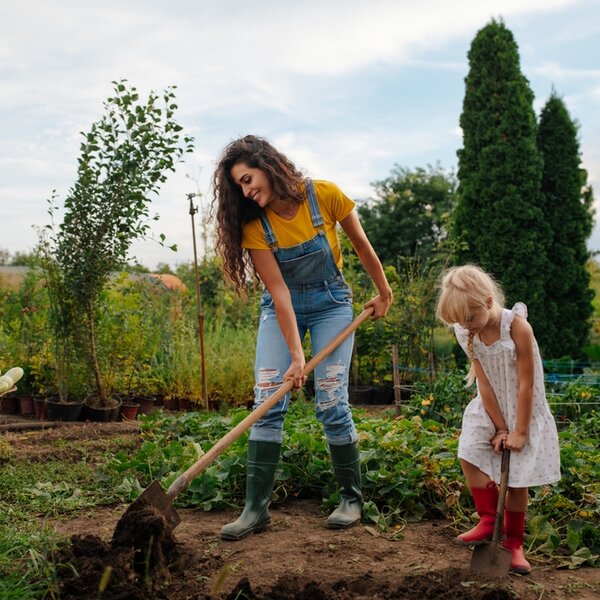
Before planting, it’s a good idea to deeply loosen the soil and work in mature compost. This improves soil structure and water-holding capacity. The ideal planting time is between October and November. The still-warm soil allows the roots to begin growing before winter dormancy sets in. As a result, the trees and shrubs start the new growing season much more vigorously in the spring. Container-grown plants can generally also be planted in the spring. However, regular watering is especially important in that case.
When planting, the planting hole should be about twice as large as the root ball. The soil should be well loosened, and the plant should not be planted any deeper than it was in the pot. Afterward, water thoroughly and mulch the soil with organic material. A layer of mulch protects against drying out and reduces weeds.
A living soil - The foundation of healthy trees and shrubs
Healthy soil is the foundation of any successful planting. Billions of microorganisms ensure that organic matter is converted into humus and that nutrients are made available to the plants. Effective microorganisms support these natural processes. When applied at the time of planting, they create optimal conditions for strong roots. To do this, dilute 100 ml of Roots in 10 L of water and water the young fruit trees thoroughly. Young trees and shrubs in particular benefit from regular application during the establishment phase.
When combined with organic fertilizers, this creates a stable, living soil system. The organic fertilizer BodenVital is particularly well-suited for this purpose—a unique fertilizer blend containing biochar, mycorrhizae, ceramic powder, and Effective Microorganisms.
Healthy soil is the foundation of any successful planting. Billions of microorganisms ensure that organic matter is converted into humus and that nutrients are made available to the plants. Effective microorganisms support these natural processes. When applied at the time of planting, they create optimal conditions for strong roots. To do this, dilute 100 ml of Roots in 10 L of water and water the young fruit trees thoroughly. Young trees and shrubs in particular benefit from regular application during the establishment phase.
When combined with organic fertilizers, this creates a stable, living soil system. The organic fertilizer BodenVital is particularly well-suited for this purpose—a unique fertilizer blend containing biochar, mycorrhizae, ceramic powder, and Effective Microorganisms.
Skincare – Less Is often more
Wild fruit trees are among the easiest-to-care-for trees in the garden:
- Regular watering during the first year after planting (supplemented with Roots)
- mulching to promote soil life
- light pruning in the early years
- later thinning of older shoots
- organic fertilization in the spring (with BodenVital)
Chemical pesticides are unnecessary in natural gardens, as a diverse ecosystem fosters natural predators of many pests.
Wild fruit trees are among the easiest-to-care-for trees in the garden:
- Regular watering during the first year after planting (supplemented with Roots)
- mulching to promote soil life
- light pruning in the early years
- later thinning of older shoots
- organic fertilization in the spring (with BodenVital)
Chemical pesticides are unnecessary in natural gardens, as a diverse ecosystem fosters natural predators of many pests.
Conclusion
Wild fruit combines tradition with the future. These hardy trees and shrubs enrich our diet and create valuable habitats for numerous animal species. At the same time, they fit perfectly into modern natural gardens. By ensuring careful soil preparation during planting and supporting soil life with Effective Microorganisms, you create the best conditions for strong roots and healthy plants. This results in gardens that not only look beautiful but also make a valuable long-term contribution to nature, the climate, and future generations.
Wild fruit combines tradition with the future. These hardy trees and shrubs enrich our diet and create valuable habitats for numerous animal species. At the same time, they fit perfectly into modern natural gardens. By ensuring careful soil preparation during planting and supporting soil life with Effective Microorganisms, you create the best conditions for strong roots and healthy plants. This results in gardens that not only look beautiful but also make a valuable long-term contribution to nature, the climate, and future generations.
Multiwissen - Barbara's Effective Tips for Every Home
In our blog series “Multiwissen—Barbara’s Effective Tips for Every Home,” discover the best advice from our expert Barbara Enengel for a sustainable home and a thriving garden. Whether you’re looking to clean your living space in an eco-friendly way or transform your garden into a blooming oasis, Barbara’s tips will enrich your everyday life. Stay tuned for inspiring stories and smart life hacks! Barbara Enengel studied agriculture at the University of Natural Resources and Life Sciences, Vienna. She is interested in natural cycles and ecological relationships in nature and the garden. She is particularly committed to creating a diverse and healthy habitat for people, animals, and plants—a principle she passionately puts into practice in her beautifully landscaped and ecologically managed garden.
This may also interest you …
Garden & Plants
Multi-Knowledge: Two-year-old summer flowers, just like in Grandma's cottage garden
There are gardens that don’t look manicured or perfectly planned - and that’s exactly why they’re so beautiful. Amid lush blooms, fragrant herbs, and buzzing insects, that special atmosphere emerges - one that many still remember from old farm gardens. When hollyhocks sway in the summer breeze, bees flit through the foxgloves, and the scent of night violets wafts through the garden in the evening, your own garden suddenly feels wonderfully timeless.
Beginner
10 minutes reading time

Garden & Plants
Multikosmos: A Success Story
“In times of need, we come together more closely”
St. Anton am Arlberg is known far beyond Austria’s borders as a legendary ski resort. Lush green meadows in summer or snow-capped mountains in winter are what most people think of first when they hear the name. But in August 2024, severe storms rocked the idyllic region. Heavy rain triggered mudslides in parts of the Landeck and Innsbruck-Land districts, causing widespread flooding. St. Anton (Landeck district) closed mountain railways and roads, bringing daily life to a standstill for a moment. During those days, it became clear how quickly a familiar living environment can turn into a crisis zone—and how crucial solidarity is when the familiar suddenly collapses.
Beginner
8 minutes reading time
Garden & Plants
Multi-knowledge: Blueberries – A superfood from your own garden
Freshly picked blueberries straight from your own bush are among the greatest pleasures of gardening. These little blue berries not only taste incredible, but are also packed with valuable nutrients. Antioxidants, vitamins, and phytochemicals make blueberries a true superfood. What’s especially nice: With the right conditions and a natural plant booster, blueberries are very easy to grow in your own garden—and they reward your care year after year with a bountiful harvest.
Beginner
10 minutes reading time
