Careers
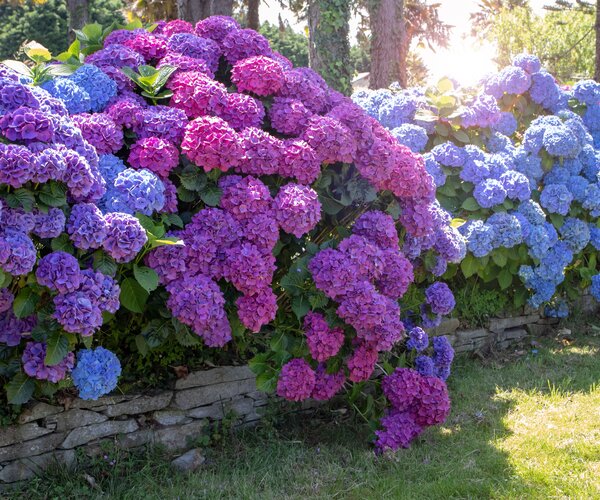
Bog plants: Colorful splendor, soil life, and the art of the acidic garden
There is something magical about bog plants. The bright flowers of hydrangeas, the delicate shapes of azaleas, and the fruity berries of blueberries bring a special atmosphere to any garden. But behind this splendor lies a special habitat that depends on certain conditions—soil that works differently than most of our garden soil. However, those who understand it can expect lush blooms and aromatic harvests year after year.
Beginner
8 minutes reading time
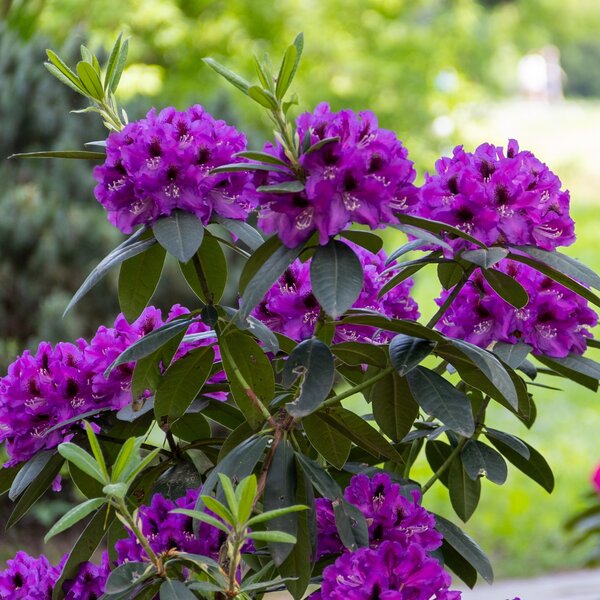
Bog plants bring a special flair to any garden. They are characterized by their bright flowers and tasty berries, which provide an enchanting variety. They include various perennials and shrubs such as rhododendrons, azaleas, camellias, hydrangeas, and blueberries. They all have one thing in common: they like to grow in acidic soil, which is rather unusual in this country. Our domestic gardens often have very calcareous soils in which these plants do not thrive as well as they could. Without the right preparation, yellow leaves and poor growth will follow. In this article, you will learn how to avoid this and provide your bog plants with the best conditions for them to thrive.
Bog plants bring a special flair to any garden. They are characterized by their bright flowers and tasty berries, which provide an enchanting variety. They include various perennials and shrubs such as rhododendrons, azaleas, camellias, hydrangeas, and blueberries. They all have one thing in common: they like to grow in acidic soil, which is rather unusual in this country. Our domestic gardens often have very calcareous soils in which these plants do not thrive as well as they could. Without the right preparation, yellow leaves and poor growth will follow. In this article, you will learn how to avoid this and provide your bog plants with the best conditions for them to thrive.
Finding the right spot
Many gardeners are familiar with this problem: beautiful blue hydrangeas are lovingly selected and carefully planted, but after a short time, the color fades and turns pink. The plant is sending a clear signal: the soil is too alkaline. Similar symptoms can also be seen in other flowering bog plants. The blueberry plant warns with yellow leaves before it eventually withers away. All the costs and effort are then wasted. To counteract this, it helps to make sure you have the right soil and a suitable location from the outset. Acid-loving plants usually prefer slightly shaded spots where they get enough sunlight but are not exposed to the midday heat.
Prepare the bed and soil
Once you have found the right spot for your new garden resident, it's time to prepare the bed. Dig the soil to a depth of about 50 to 80 cm and, ideally, line it with a fleece. Now fill the dug-over bed with acidic bog soil, with as little peat as possible. An additional high humus content ensures that the usually fine roots of bog plants can grow well. This creates the optimal basis for the sensitive bog plants to thrive. Tip: Blueberries like it when several bushes, even different varieties of blueberries, are planted together. This means they bear significantly more fruit; even though they are self-pollinating, they like company. If you don't have much space for your favorite bog plants, you can also plant them in a large pot.
Not all watering is the same
Bog plants are beautiful to look at, but they are also demanding garden inhabitants that require special care and dedication. This starts with watering. These plants do not tolerate our mostly calcareous tap water particularly well, so it is advisable to water them with collected rainwater instead. This is because too much lime in the soil contributes to a higher pH value, causing iron to form a strong bond with the calcium present. As a result, the plants can no longer absorb the nutrients. Please note: The plants also do not tolerate waterlogging well, so watering once a week is sufficient. To support the healthy growth and flourishing of the plants, MoorKraft is used every time they are watered. This is because another special feature of bog plants is that they need additional manganese for optimal photosynthesis. In addition to a special mix of microorganisms and fermented plant extracts, MoorKraft contains an appropriate amount of manganese for additional support. It is transported from the root area to the tips of the leaves via the watering water. This strengthens the plants holistically and ensures that they are optimally nourished.
Old wood versus fresh shoots
Most bog plants love regular thinning or pruning. With farmer's hydrangeas, it is advisable to prune them sparingly in early spring – cut off the dead shoots down to the healthy wood, as they bloom on the previous year's shoots. Cut back snowball and panicle hydrangeas in spring to about 20 cm above the ground. Rhododendrons, on the other hand, usually do not need to be pruned to thrive again in all their glory. For existing blueberry bushes, simply cut back the oldest shoots to just above the ground so that new, fresh shoots can grow back even stronger. As a general rule, pruning plants encourages branching, the plant grows stronger and denser, and old shoots make room for new ones.
Not all watering is the same
Bog plants are beautiful to look at, but they are also demanding garden inhabitants that require special care and dedication. This starts with watering. These plants do not tolerate our mostly calcareous tap water particularly well, so it is advisable to water them with collected rainwater instead. This is because too much lime in the soil contributes to a higher pH value, causing iron to form a strong bond with the calcium present. As a result, the plants can no longer absorb the nutrients. Please note: The plants also do not tolerate waterlogging well, so watering once a week is sufficient. To support the healthy growth and flourishing of the plants, MoorKraft is used every time they are watered. This is because another special feature of bog plants is that they need additional manganese for optimal photosynthesis. In addition to a special mix of microorganisms and fermented plant extracts, MoorKraft contains an appropriate amount of manganese for additional support. It is transported from the root area to the tips of the leaves via the watering water. This strengthens the plants holistically and ensures that they are optimally nourished.
Old wood versus fresh shoots
Most bog plants love regular thinning or pruning. With farmer's hydrangeas, it is advisable to prune them sparingly in early spring – cut off the dead shoots down to the healthy wood, as they bloom on the previous year's shoots. Cut back snowball and panicle hydrangeas in spring to about 20 cm above the ground. Rhododendrons, on the other hand, usually do not need to be pruned to thrive again in all their glory. For existing blueberry bushes, simply cut back the oldest shoots to just above the ground so that new, fresh shoots can grow back even stronger. As a general rule, pruning plants encourages branching, the plant grows stronger and denser, and old shoots make room for new ones.
It has to be sour
In addition to pruning shrubs and shoots, the soil also requires appropriate care. If it is optimally supplied with nutrients, it will support the plants. Bog plants should be fertilized regularly, and it is important to use an “acidic fertilizer.” This has the correct pH value and does not upset the balance of the soil. If the pH value is too high, the plants can no longer absorb iron and the leaves turn yellow, while dark green veins become visible. The right pH value is therefore essential for healthy bog plants.
Strengthen from within
In addition to fertilizing, bog plants also like mulching very much—provided that it is done correctly. From the second or third year onwards, a fine layer of conifer compost made from chopped spruce and pine branches or separately composted oak or walnut leaves is best suited for this purpose. The natural tannic acid provides the bog bed with optimal nutrition. This is because soil organisms such as microorganisms break down the materials in the mulch layer in such a way that the low pH value is maintained.
Application made easy
Not all gardeners still water their gardens with a watering can. When watering with a garden hose, it is often difficult to measure out additional agents. To avoid this, dosing devices such as the Aquamix are ideal, as they allow plant fortifiers and other agents to be applied in a single step. The attachment for the garden hose combines watering and application without prior measuring, as different mixing ratios can be easily adjusted. To do this, fill the Aquamix with MoorKraft, set the ratio according to the application recommendation, attach it to the garden hose, and start watering. This combination not only makes plant care effective, but also easy to integrate into everyday life.
Tip: Blueberries are a real superfood and contain lots of antioxidants – they are particularly beneficial when eaten straight from the garden. So why not find a nice spot and try out our tips!
Not all gardeners still water their gardens with a watering can. When watering with a garden hose, it is often difficult to measure out additional agents. To avoid this, dosing devices such as the Aquamix are ideal, as they allow plant fortifiers and other agents to be applied in a single step. The attachment for the garden hose combines watering and application without prior measuring, as different mixing ratios can be easily adjusted. To do this, fill the Aquamix with MoorKraft, set the ratio according to the application recommendation, attach it to the garden hose, and start watering. This combination not only makes plant care effective, but also easy to integrate into everyday life.
Tip: Blueberries are a real superfood and contain lots of antioxidants – they are particularly beneficial when eaten straight from the garden. So why not find a nice spot and try out our tips!
This may also interest you …
Pond
Finally getting clear pond water: Here's how it works
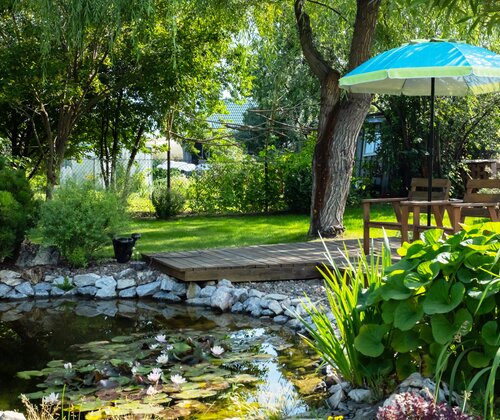
Pond and biotope owners know the feeling: you're looking forward to your first dip in the cool water, but nasty floating algae or annoying sludge thwart your plans: cloudy, greenish water is anything but inviting. In this blog post, we'll show you how to get your pond water clear again or successfully prevent discoloration in the first place!
Beginner
10 minutes reading time
Garden & Plants
Multi-knowledge: Sowing seeds on the windowsill
The gardening season doesn't just begin in spring—it often starts in the middle of winter on the windowsill. While there is still snow outside, the first tender green shoots are already sprouting indoors. For many hobby gardeners, sowing seeds is one of the most enjoyable activities of the year. No wonder: home-grown plants are more robust, cheaper, and often more diverse than most young plants from the garden center.
When growing plants, high-quality sowing soil, EM ceramic powder, organic plant aids such as Roots and Plants, and the right sowing time play an important role. There are many professional tricks that experienced hobby gardeners use for this.
Beginner
7 minutes reading time
Garden & Plants
Multi-knowledge: Excellent lawn care—what matters most
A healthy, green lawn is not only a beautiful place to play and relax, but also an important design element. To keep it robust, soft, and a lush green, there are a few things to keep in mind. In this article, we give you practical tips for proper lawn care and show you how to get your garden in top shape for the long term!
Beginner
10 minutes reading time
