Careers
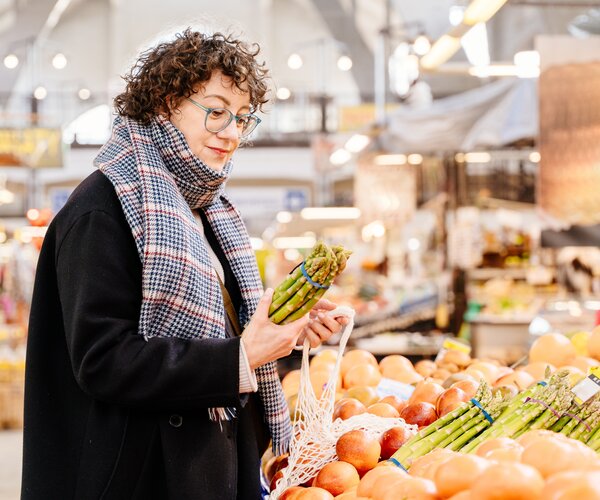
Land creates life: Get fit for spring with seasonal vegetables
Fresh cucumbers in March, broccoli in May—it sounds convenient, but it comes at a cost. With the start of the spring harvest, it’s worth taking a closer look at the vegetables in our shopping carts: By choosing seasonal and locally grown produce now, we not only help protect the climate but also provide our bodies with fresh, valuable nutrients while supporting local agriculture.
Beginner
5 minutes reading time
Looking for green beans in March and cauliflower in April? No matter what time of year we go to the supermarket looking for a specific vegetable, we usually find it. But this year-round availability comes at a price. Many products that aren’t currently in season or don’t store well are imported. Cucumbers, bell peppers, and tomatoes, for example, often come from Spain at the start of spring. But intensive farming there requires a lot of water. The more water that’s pumped out for cultivation, the greater the risk that arid regions—areas with very limited water availability—will form, with noticeable consequences for the local flora and fauna.
Looking for green beans in March and cauliflower in April? No matter what time of year we go to the supermarket looking for a specific vegetable, we usually find it. But this year-round availability comes at a price. Many products that aren’t currently in season or don’t store well are imported. Cucumbers, bell peppers, and tomatoes, for example, often come from Spain at the start of spring. But intensive farming there requires a lot of water. The more water that’s pumped out for cultivation, the greater the risk that arid regions—areas with very limited water availability—will form, with noticeable consequences for the local flora and fauna.
Shop seasonally, protect the climate
Not all vegetables are imported during the colder months: tomatoes and bell peppers, for example, are available from Austria as early as the beginning of spring. This is because they’re grown in heated and lit greenhouses. However, this method consumes a lot of energy—even if the vegetables come from Austria. If you want to help protect the climate, it’s best to choose seasonal vegetables. These not only taste great but also represent high quality.
Tip: A seasonal calendar helps you see at a glance which vegetables are currently available fresh—without any energy-intensive cultivation.
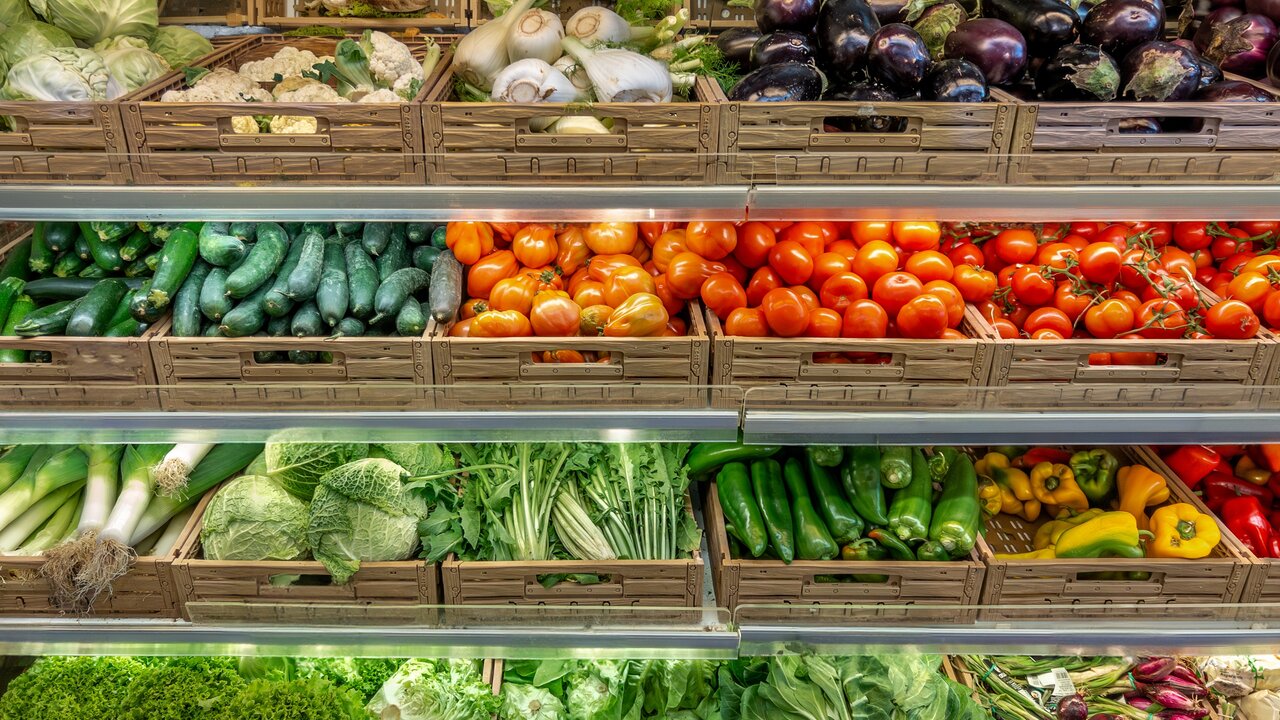
Vitamins from local spring vegetables
It’s important to meet your vitamin needs even in the spring. But we don’t have to turn to exotic fruits or vegetables to do so. Local varieties also provide plenty of nutrients: horseradish, with 114 milligrams per 100 grams, contains more than twice as much vitamin C as lemon juice and is harvested fresh in March, among other times. In April, fresh asparagus, spinach, and lamb’s lettuce are available, followed in May by arugula, rhubarb, spring onions, and kohlrabi. Asparagus, for example, contains minerals such as potassium, phosphorus, calcium, and magnesium, as well as vitamins C, B1, B2, and folic acid. Starting in June, we can look forward to more fresh varieties, including fennel, green beans, cabbage, radishes, white cabbage, and zucchini.
It’s important to meet your vitamin needs even in the spring. But we don’t have to turn to exotic fruits or vegetables to do so. Local varieties also provide plenty of nutrients: horseradish, with 114 milligrams per 100 grams, contains more than twice as much vitamin C as lemon juice and is harvested fresh in March, among other times. In April, fresh asparagus, spinach, and lamb’s lettuce are available, followed in May by arugula, rhubarb, spring onions, and kohlrabi. Asparagus, for example, contains minerals such as potassium, phosphorus, calcium, and magnesium, as well as vitamins C, B1, B2, and folic acid. Starting in June, we can look forward to more fresh varieties, including fennel, green beans, cabbage, radishes, white cabbage, and zucchini.
Storage vegetables: Available year-round and nutrient-rich
Many regional vegetables currently available in supermarkets aren’t harvested at the start of spring but come from storage. And that’s a good thing! Because this way, carrots, beets, onions, garlic, and horseradish can provide us with important nutrients all year round. Carrots provide, among other things, beta-carotene, a precursor to vitamin A, as well as vitamin K, potassium, and fiber. Onions and garlic also store exceptionally well year-round and contain, for example, vitamin C, B vitamins, and phytochemicals.
Land creates life: Exploring Austrian Foods
For years, Multikraft has been a sponsor of the Land schafft Leben association, which raises awareness of the value of Austrian food—for producers, habitats and the environment, health, and for all of us. From field and barn to plate, across the entire value chain, researched transparently and independently—Land schafft Leben is the knowledge platform for Austrian food. The founding duo, Maria Fanninger and Hannes Royer, provide realistic insights, free from sensationalism and whitewashing: through podcasts, on social media, in newsletters, at lectures, and in interviews. The scientifically grounded content, presented in text, image, and video formats, is freely available at www.landschafftleben.at.
This may also interest you …

Land creates life: Energy - How to Make the Most of Your Day
Our performance levels fluctuate, and there are many reasons for this: our physical health, sleep, diet, age, and individual predispositions, among other factors, influence our daily performance curve. The organization Land schafft Leben shows how we can positively influence our performance to really get off to a good start.
Beginner
7 minutes reading time

Land creates life: the plate model explained
What does a balanced, regional plate look like? Land creates life shows how carbohydrates, proteins, fats, vegetables, and fruit can be combined on a plate—and why it's not just the ratio of the individual components that counts, but also their seasonality, which is good for our microbiome.
Beginner
5 minutes reading time
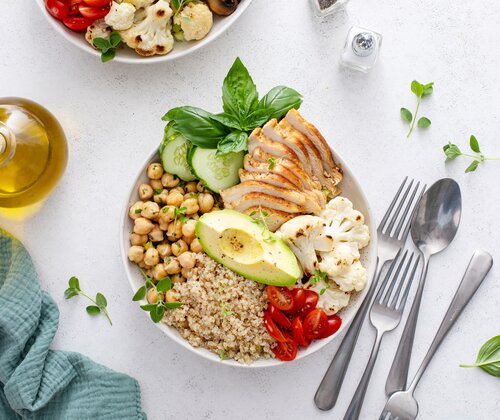
Land creates life: high-protein meals with regional foods
Shelves full of protein bars, drinks, and snacks in every flavor imaginable—the protein trend that is ubiquitous on social media has long since arrived in supermarkets. But even athletes can usually meet their daily protein requirements without special products: with regional foods that are less processed, provide high-quality and readily available protein, and at the same time strengthen local agriculture.
Beginner
5 minutes reading time
