Careers
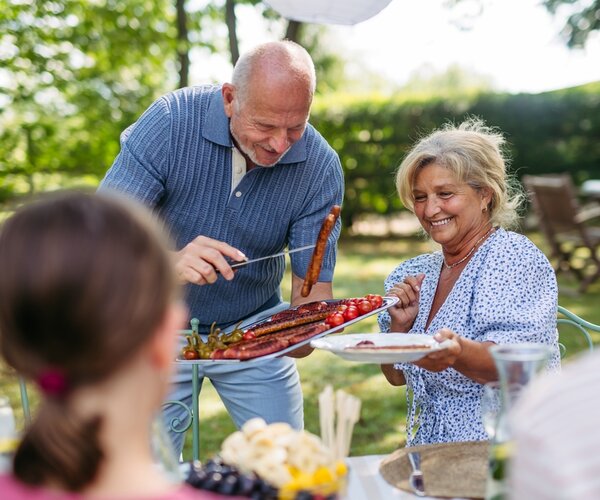
Land creates life: Hot topic - Grilling mindfully just tastes better
No summer is complete without a barbecue! A fun get-together, a wide variety of dishes in a relaxed atmosphere—for many, firing up the grill is simply part of the warm season. What we put on the grill should be anything but a trivial matter: When you consciously choose seasonal vegetables and high-quality meat from Austria, you’re not just enjoying a meal—you’re also supporting local agriculture and regional economic growth.
Beginner
8 minutes reading time
Summer is all about variety
As everyone knows, the best part of barbecuing is the variety. For many people, pork chops, sausages, steaks, and kebabs are barbecues essentials. Grilled vegetables, salads, and bread round out the spread. Vegetables, in particular, are in peak season right now during the summer. Austrian vegetable farmers currently offer everything you need to make a barbecue evening colorful and varied: zucchini, bell peppers, eggplant, tomatoes, and corn are in season right now and end up on the grill practically straight from the garden, greenhouse, polytunnel, or field. Depending on how they’re prepared, vegetables are a valuable source of various vitamins, minerals, and fiber. Brushed with a little oil and seasoned, they become especially flavorful when grilled. Potatoes and grilled cheese make great sides, as do homemade herb or garlic baguettes. Fresh salads and homemade sauces with yogurt and herbs pair well with them. The more colorful the grill platter, the better!
As everyone knows, the best part of barbecuing is the variety. For many people, pork chops, sausages, steaks, and kebabs are barbecues essentials. Grilled vegetables, salads, and bread round out the spread. Vegetables, in particular, are in peak season right now during the summer. Austrian vegetable farmers currently offer everything you need to make a barbecue evening colorful and varied: zucchini, bell peppers, eggplant, tomatoes, and corn are in season right now and end up on the grill practically straight from the garden, greenhouse, polytunnel, or field. Depending on how they’re prepared, vegetables are a valuable source of various vitamins, minerals, and fiber. Brushed with a little oil and seasoned, they become especially flavorful when grilled. Potatoes and grilled cheese make great sides, as do homemade herb or garlic baguettes. Fresh salads and homemade sauces with yogurt and herbs pair well with them. The more colorful the grill platter, the better!
How much is our grilled meat worth to us?
Especially when meat goes on the grill, barbecuing also comes with a great deal of responsibility. Many people invest several hundred euros in their grill, not to mention the necessary grilling accessories. Paradoxically, however, they often cut corners when buying food and end up putting the cheapest sausages on sale on that expensive grill.
It’s worth shifting your perspective: Every sausage, steak, or pork chop we buy has a long-term impact on production conditions, the climate, habitats, and health. For example, choosing meat from Austria supports local farms and helps promote high production standards. So, what you buy before a barbecue is a decision that not only determines what ends up on your plate but also influences how and where food will be produced in the future.
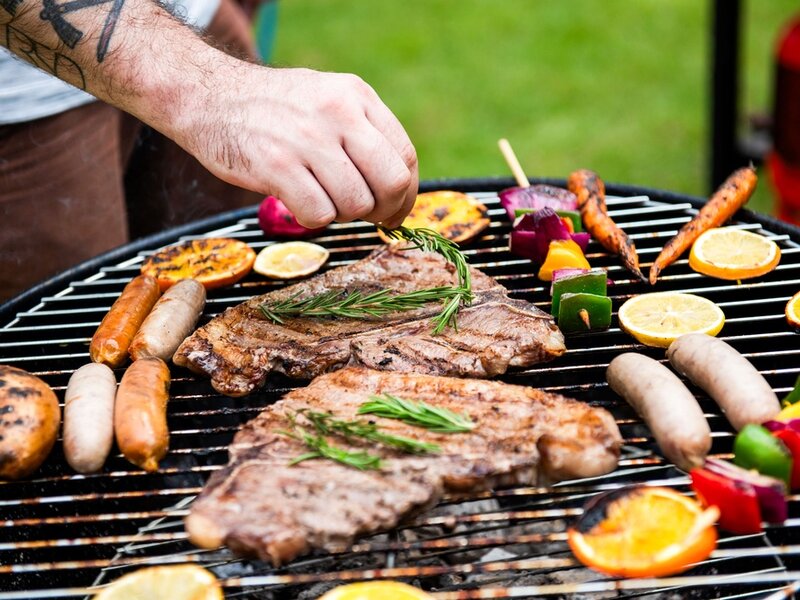
Turn the package over to identify the country of origin
So, especially when it comes to meat for grilling, it’s worth taking a closer look at its origin. For packaged, unprocessed meat, the origin must be indicated by law. It gets more complicated with processed products such as sausages, marinated steaks, or ready-to-grill skewers. There is no mandatory origin labeling for these items. As a result, it’s often unclear where the animal lived or was slaughtered. Those who still want to make a conscious choice to buy locally sourced meat can look for the red-white-red AMA seal of quality or voluntary labeling, for example.
So, especially when it comes to meat for grilling, it’s worth taking a closer look at its origin. For packaged, unprocessed meat, the origin must be indicated by law. It gets more complicated with processed products such as sausages, marinated steaks, or ready-to-grill skewers. There is no mandatory origin labeling for these items. As a result, it’s often unclear where the animal lived or was slaughtered. Those who still want to make a conscious choice to buy locally sourced meat can look for the red-white-red AMA seal of quality or voluntary labeling, for example.
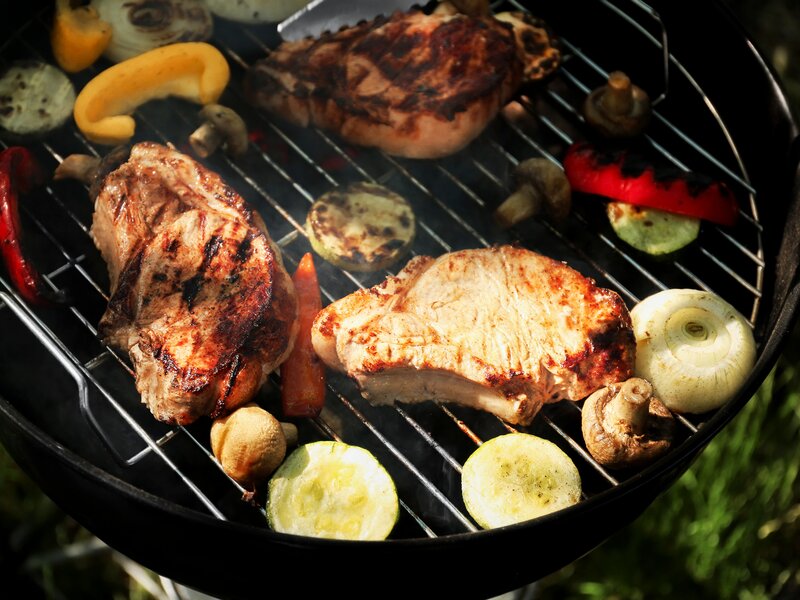
Enjoy mindfully
A successful barbecue is all about enjoyment and variety: With a colorful assortment of vegetables, well-balanced side dishes, and carefully selected meat, there’s something for everyone. When you shop mindfully, you not only enjoy great flavors but also show your appreciation for high-quality food and local agriculture. And you also help ensure that our farmers will be able to continue producing these very same high-quality products in the future.
Land creates life: Exploring Austrian Foods
For years, Multikraft has been a sponsor of the organization Land schafft Leben, which raises awareness of the value of Austrian food—for producers, habitats and the environment, health, and for all of us. From the field and barn to the plate, across the entire value chain, researched transparently and independently—Land schafft Leben is the knowledge platform for Austrian food. The founding duo, Maria Fanninger and Hannes Royer, provide realistic insights, free from sensationalism and whitewashing: through podcasts, on social media, in newsletters, at lectures, and in interviews. The scientifically grounded content, presented in text, image, and video formats, is freely available at www.landschafftleben.at.
This may also interest you …

Multi-knowledge: 8 tips for radiant summer skin
August is the perfect time to enjoy nature to the fullest. Whether you’re hiking, at the lake, in the garden, or on vacation—the sun is a part of many wonderful summer moments. At the same time, your skin is exposed to particular stresses during this season. UV rays, heat, wind, and saltwater or chlorinated water can strain the skin’s natural barrier and strip it of moisture.
With the right skincare, you can help your skin stay healthy, supple, and radiant all summer long. Three factors play a key role here: protection, hydration, and regeneration.
Beginner
7 minutes reading time

Multikosmos: PFAS in Cosmetics—Longevity with a Risk
There is a vast variety of skin care and cosmetic products available. No matter what the problem, the market offers a solution to pamper yourself and your skin. For dry skin, you apply moisturizer diligently; for dandruff, there’s the right shampoo; and for wrinkles, there are numerous formulations designed to make your skin glow. But even products intended for good can often—even expensive ones—contain questionable ingredients. We’re talking about PFAS, the so-called “forever chemicals.” They’re frequently used in cosmetics and other products because of their durability, but they’re facing increasing criticism due to their impact on people and the environment. This article explains what they are, how they work, why they can be harmful, and why natural cosmetics offer a genuine alternative.
Beginner
8 minutes reading time
Land creates life: Refreshments with your meal - How to keep your cool even in the summer
Summer is here! And with it comes the heat. Light, airy clothing, swimming, air conditioning, ice cubes… there are many ways to make the high temperatures at least a little more bearable. Certain foods can also help. The organization Land schafft Leben explains how we can stay cool with food.
Beginner
5 minutes reading time
