Careers
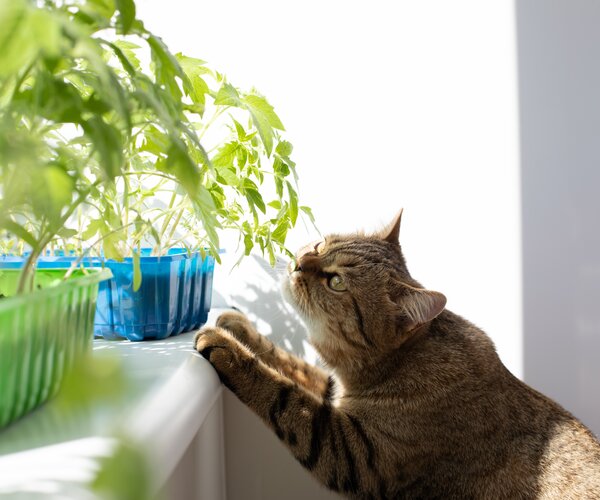
Multi-knowledge: Sowing seeds on the windowsill
The gardening season doesn't just begin in spring—it often starts in the middle of winter on the windowsill. While there is still snow outside, the first tender green shoots are already sprouting indoors. For many hobby gardeners, sowing seeds is one of the most enjoyable activities of the year. No wonder: home-grown plants are more robust, cheaper, and often more diverse than most young plants from the garden center.
When growing plants, high-quality sowing soil, EM ceramic powder, organic plant aids such as Roots and Plants, and the right sowing time play an important role. There are many professional tricks that experienced hobby gardeners use for this.
Beginner
7 minutes reading time
Why sow seeds on the windowsill?
Growing young plants yourself has numerous advantages:
Retailers often only stock a small selection of common varieties. With seeds, on the other hand, you can grow unusual tomato varieties, colorful peppers, special herbs, and flowers that are otherwise hard to find.
Young plants grown using EM adapt to their environment right from the start and are more robust. This makes them less susceptible to disease and more resistant to stress from wind, sun, and drought.
A paper bag of seeds often costs less than a single young plant. In addition, sowing seeds indoors saves on plastic packaging and energy for heated greenhouses. And for those who find the dark season difficult, sowing seeds on the windowsill brings a touch of spring into the living room.

The perfect start: high-quality seed compost
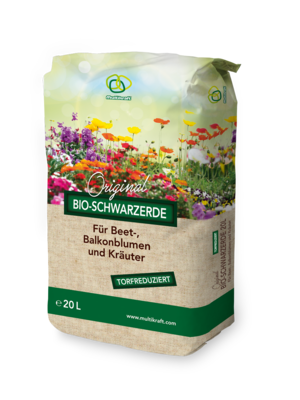
The soil is the basis of every successful sowing. It should be fine and homogeneous, light, structured, and permeable, but with good water retention. It should also be low in nutrients, as young seedlings cannot process too many nutrients—the seedlings will become leggy. Multikraft Organic Black Soil for Flowers and Herbs is ideal here.
In addition to standard seed trays and pots, egg cartons or old yogurt cups with drainage holes in the bottom are also suitable. Fill the containers with seed compost and press the soil down lightly before sowing according to the instructions and covering the seeds lightly with soil (except for light-dependent germinators!). EM ceramic powder is used.
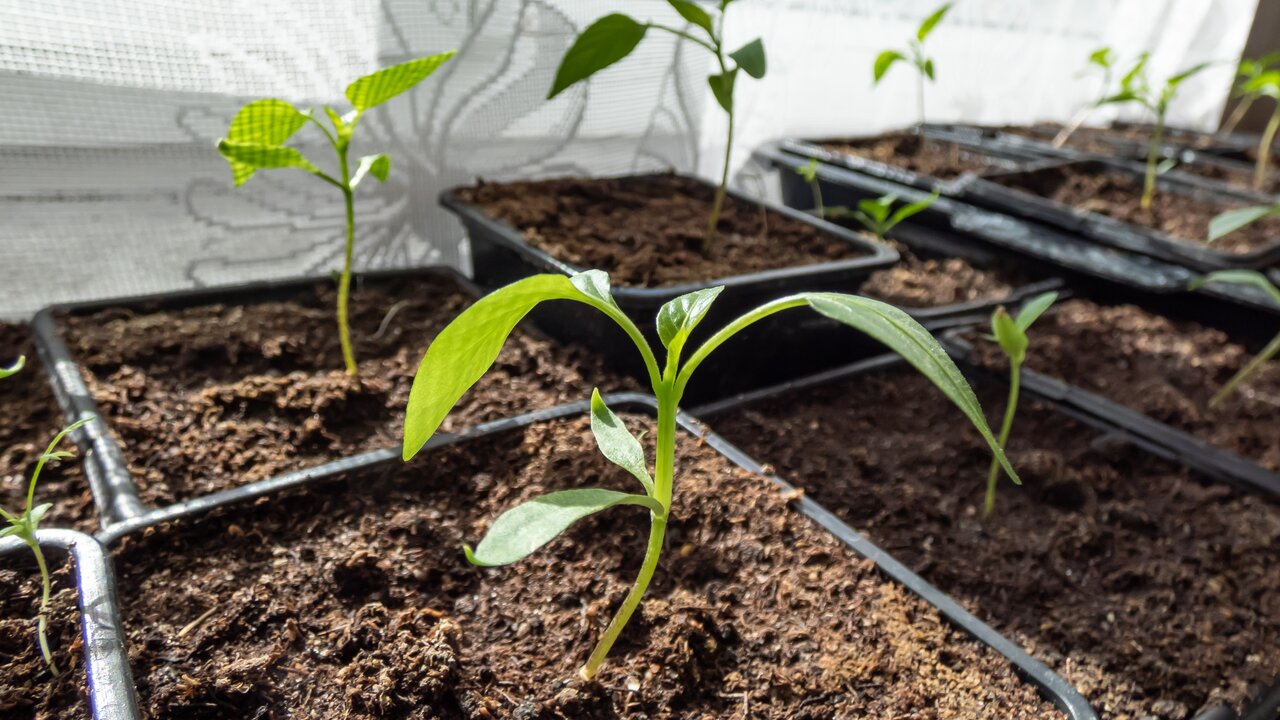
EM ceramic powder: Root power from nature
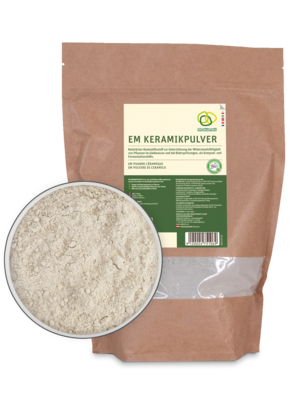
EM ceramic powder stimulates root formation, improves soil structure, and makes young seedlings more resistant. Simply mix a teaspoonful of ceramic powder with the seeds and then sow. When pricking out, dip the roots in a little ceramic powder.
After sowing, lightly moisten the whole thing with a spray bottle. You can increase the humidity with plastic wrap or a clear lid. However, it is important to ventilate daily to prevent mold from forming. During the germination phase, the seeds should be kept warm, bright, and evenly moist. As soon as the seedlings have at least one pair of leaves, they can be transplanted.
EM ceramic powder stimulates root formation, improves soil structure, and makes young seedlings more resistant. Simply mix a teaspoonful of ceramic powder with the seeds and then sow. When pricking out, dip the roots in a little ceramic powder.
After sowing, lightly moisten the whole thing with a spray bottle. You can increase the humidity with plastic wrap or a clear lid. However, it is important to ventilate daily to prevent mold from forming. During the germination phase, the seeds should be kept warm, bright, and evenly moist. As soon as the seedlings have at least one pair of leaves, they can be transplanted.
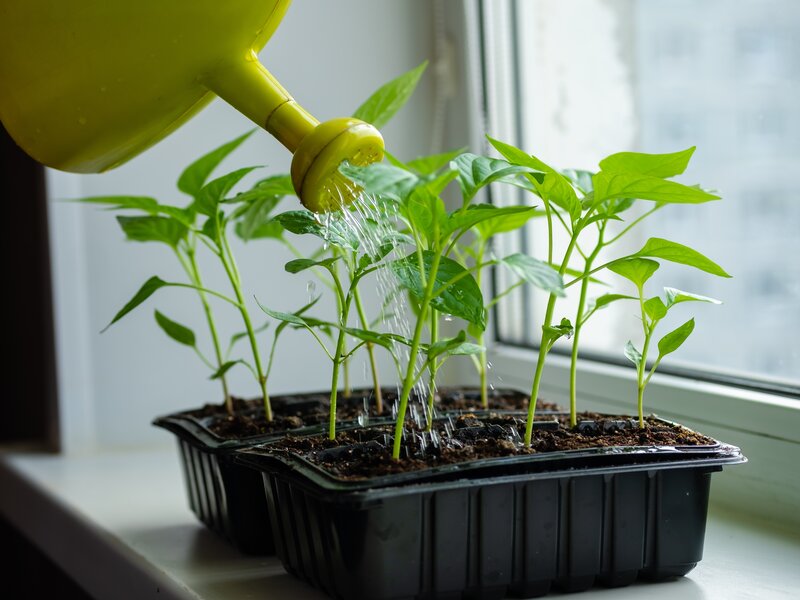
Roots for strong roots
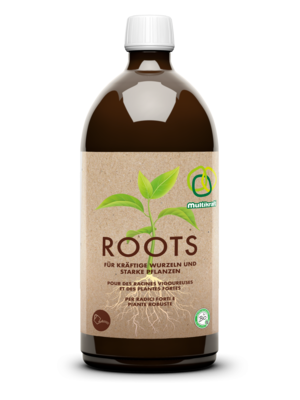
Roots supports root development after sowing and pricking out by stimulating fine root growth and improving nutrient uptake. This prevents repotting stress and ensures strong, compact plants. Use Roots diluted at a ratio of one cap per liter of water for watering and for watering after pricking out. Always water sparingly, according to the motto “moisture instead of wetness,” and use room-temperature water. Water that is too cold shocks the delicate roots.
Plants – Vitality spray for strong leaf growth
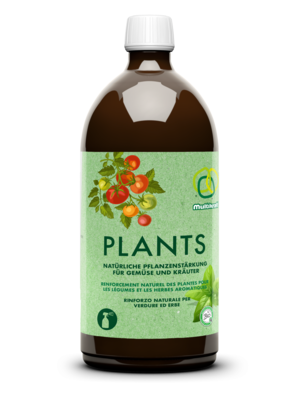
Window sill plants are often exposed to stress due to dry heating air, low light levels, and fluctuating temperatures. Plants, which strengthens leaves with effective microorganisms and fermented plant extracts, helps to counteract this stress by strengthening the cell structure, promoting photosynthesis, and supporting chlorophyll formation. Ideally, spray the leaves once a week with a dilution of 20 ml Plants to 1 L water.
Products
Avoiding common problems
If seedlings become spindly, i.e., very thin, weak, and unstable, they are either too dark or too warm. Mold on the soil develops when the soil is too wet or there is poor air circulation. To prevent fungus gnats, the soil should not be kept too wet. Fungus gnats hatch from eggs in contaminated soil. Using high-quality potting soil or sterilizing the soil in the oven, for example, can help.
If seedlings become spindly, i.e., very thin, weak, and unstable, they are either too dark or too warm. Mold on the soil develops when the soil is too wet or there is poor air circulation. To prevent fungus gnats, the soil should not be kept too wet. Fungus gnats hatch from eggs in contaminated soil. Using high-quality potting soil or sterilizing the soil in the oven, for example, can help.
Conclusion
Sowing seeds on the windowsill is worthwhile, as plants are strengthened with effective microorganisms right from the start. With high-quality sowing soil, gentle organic plant strengtheners such as EM ceramic powder, Roots and Plants, and a little patience, you can grow strong young plants that will later yield a rich and long harvest in the garden or on the balcony. A little knowledge, a few tried-and-tested tricks, and regular attention—that's all it takes for a successful start to the season.
Sowing seeds on the windowsill is worthwhile, as plants are strengthened with effective microorganisms right from the start. With high-quality sowing soil, gentle organic plant strengtheners such as EM ceramic powder, Roots and Plants, and a little patience, you can grow strong young plants that will later yield a rich and long harvest in the garden or on the balcony. A little knowledge, a few tried-and-tested tricks, and regular attention—that's all it takes for a successful start to the season.
Multi-knowledge - Barbara's effective tips for every home
Discover the best advice from our expert Barbara Enengel for a sustainable home and a thriving garden in our blog series “Multi-knowledge - Barbara's effective tips for every home.” Whether it's cleaning your living space ecologically or transforming your garden into a blooming oasis, Barbara's tips will enrich your everyday life. Stay tuned for inspiring stories and smart life hacks! Barbara Enengel studied agriculture at the University of Natural Resources and Life Sciences in Vienna. She is interested in natural cycles and ecological relationships in nature and in the garden. She is particularly passionate about creating a diverse and healthy habitat for humans, animals, and plants, a principle she passionately puts into practice in her beautifully landscaped and ecologically managed garden.
This may also interest you …

Garden & Plants
Multi-knowledge: Excellent lawn care—what matters most
A healthy, green lawn is not only a beautiful place to play and relax, but also an important design element. To keep it robust, soft, and a lush green, there are a few things to keep in mind. In this article, we give you practical tips for proper lawn care and show you how to get your garden in top shape for the long term!
Beginner
10 minutes reading time
Garden & Plants
Multi-knowledge: Caring for indoor herbs in winter—how to keep basil, rosemary, and other herbs healthy
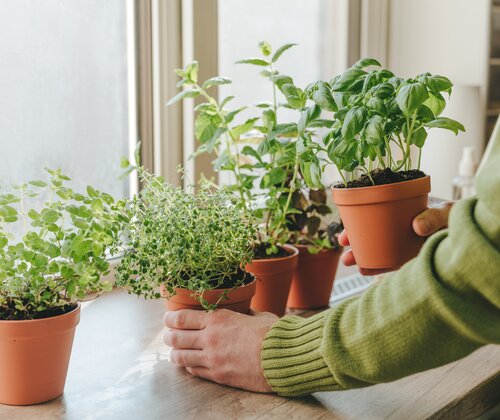
Indoor herbs bring fresh aroma and vibrant greenery to the kitchen. While they often grow vigorously in summer, winter poses particular challenges for them. Shorter days, dry heated air, and lower light intensity mean that many herbs soon become weak or even die shortly after purchase. However, with the right care, herbs can remain healthy and aromatic even in winter. This article presents practical measures that help indoor herbs survive the cold season vitality and vigor.
Beginner
7 minutes reading time

Pets
Multiknowledge: Natural pet care with EM – Probiotic for dogs & cats
Healthy from head to paw: Learn how Effective Microorganisms (EM) can contribute to coat care, hygiene, and general well-being as part of daily care—naturally and without traditional chemical additives. Discover practical applications for harmonious coexistence with your pet.
Beginner
5 minutes reading time
