Careers
Multi-knowledge: Caring for indoor herbs in winter—how to keep basil, rosemary, and other herbs healthy
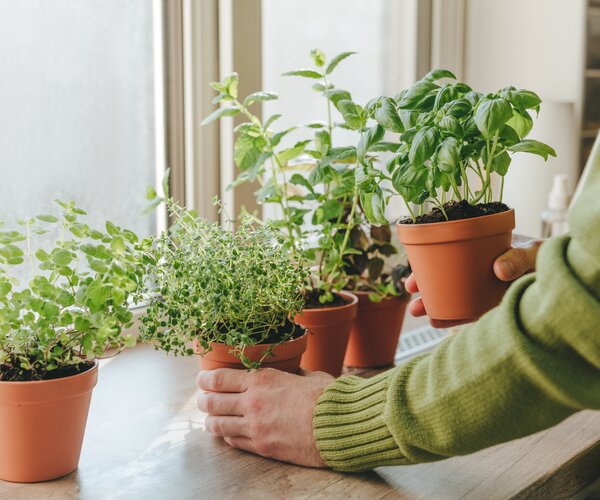
Indoor herbs bring fresh aroma and vibrant greenery to the kitchen. While they often grow vigorously in summer, winter poses particular challenges for them. Shorter days, dry heated air, and lower light intensity mean that many herbs soon become weak or even die shortly after purchase. However, with the right care, herbs can remain healthy and aromatic even in winter. This article presents practical measures that help indoor herbs survive the cold season vitality and vigor.
Beginner
7 minutes reading time
Watering in winter – reduction instead of routine
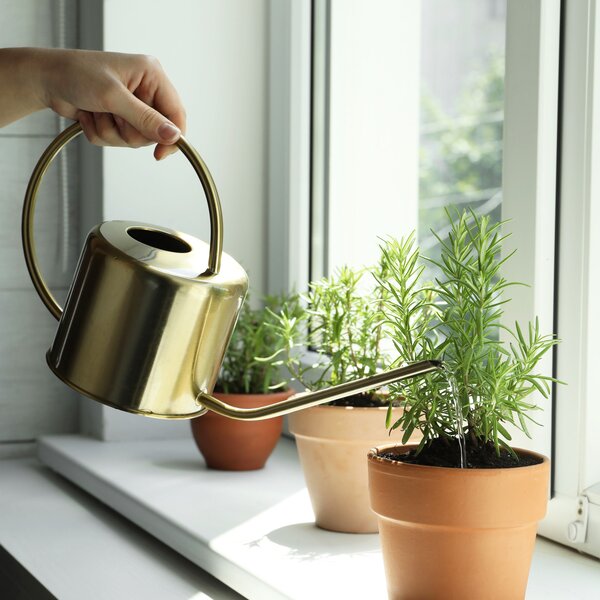
During the winter months, most herbs require significantly less water. Growth slows down and evaporation decreases. Watering too frequently quickly leads to waterlogging—one of the most common reasons for weak herbs. Mediterranean herbs such as rosemary, thyme, sage, and oregano generally prefer dry conditions. Before watering again, the top layer of soil should be completely dry. A light pot indicates dry soil, while a heavy pot indicates sufficient moisture. Limp or yellow leaves are often a sign of too much water, not dryness.
Recommendations for proper watering
- Room-temperature water prevents root shock.
- Pour water directly onto the soil – not onto the leaves.
- Regularly remove excess water from the planter.
- Effective microorganisms – in the form of Urban Jungle – are ideal for providing optimal support to indoor herbs in winter. Urban Jungle promotes healthy root growth, ensures optimal nutrient uptake, and boosts the plants' natural defense system. The leaves become stronger and significantly greener. Ideally, add 10 ml of Urban Jungle to 1 liter of water each time you water your indoor herbs to pamper them.
The right location – light as a decisive factor
Many herbs originate from sunny regions. The low amount of light in winter is therefore problematic and leads to spindly, weak shoots. South-facing windows offer the best light yield in winter. East and west-facing windows are also suitable, provided the plants are placed close to the glass. In general, window sills should be kept free of curtains or plant arrangements that further reduce the amount of light.
If natural light is insufficient, artificial lighting with LED plant lamps can help. They provide energy-efficient, growth-friendly light, with 8–10 hours of light per day being sufficient.
Caution is advised in both cold weather and heated air. Cold windowsills can cool roots too much and block growth. Radiators in the immediate vicinity dry out soil and leaves more quickly, and drafts, especially when ventilating, also damage sensitive herbs such as basil.
Pruning and fertilizing in winter
Appropriate harvesting and moderate pruning strengthen the plants. When harvesting herbs, it is recommended to never remove more than one-third of the plant at a time. Herbaceous plants such as basil or parsley should be cut above a leaf node to encourage new growth. Woody herbs such as rosemary, thyme, and sage tolerate light pruning, but not radical pruning.
As growth is reduced in winter, herbs require only a small amount of nutrients. Fertilization is only necessary every eight weeks, if at all—often even less is sufficient. Excessive fertilization leads to weak shoots that are susceptible to disease.
Many herbs originate from sunny regions. The low amount of light in winter is therefore problematic and leads to spindly, weak shoots. South-facing windows offer the best light yield in winter. East and west-facing windows are also suitable, provided the plants are placed close to the glass. In general, window sills should be kept free of curtains or plant arrangements that further reduce the amount of light.
If natural light is insufficient, artificial lighting with LED plant lamps can help. They provide energy-efficient, growth-friendly light, with 8–10 hours of light per day being sufficient.
Caution is advised in both cold weather and heated air. Cold windowsills can cool roots too much and block growth. Radiators in the immediate vicinity dry out soil and leaves more quickly, and drafts, especially when ventilating, also damage sensitive herbs such as basil.
Pruning and fertilizing in winter
Appropriate harvesting and moderate pruning strengthen the plants. When harvesting herbs, it is recommended to never remove more than one-third of the plant at a time. Herbaceous plants such as basil or parsley should be cut above a leaf node to encourage new growth. Woody herbs such as rosemary, thyme, and sage tolerate light pruning, but not radical pruning.
As growth is reduced in winter, herbs require only a small amount of nutrients. Fertilization is only necessary every eight weeks, if at all—often even less is sufficient. Excessive fertilization leads to weak shoots that are susceptible to disease.
Increase humidity and spray
Dry heating air promotes leaf problems. Spraying indoor herbs (such as basil, lemon balm, and parsley) with the Urban Jungle spray solution has a dust-repellent and cleansing effect and promotes lush green leaves. For prevention and a slight shine, spray the plant leaves lightly—not dripping wet. Another helpful measure is to place bowls of water in the immediate vicinity of the herbs, as this increases the local humidity.
Repotting – only when necessary
Repotting in winter should be the exception. It is only necessary if roots are growing out of the bottom or top of the pot, the soil is heavily compacted, or it hardly retains any water. When repotting, which is ideally done in spring, a well-drained herb soil with a drainage layer should be used.
Conclusion: With the right care, indoor herbs can be easily maintained even in winter. The key factors are reduced watering, as much light as possible, adequate humidity, and an optimal location. If these factors are taken into account, basil, rosemary, parsley, and other herbs will remain strong and aromatic even in the dark season.
Conclusion: With the right care, indoor herbs can be easily maintained even in winter. The key factors are reduced watering, as much light as possible, adequate humidity, and an optimal location. If these factors are taken into account, basil, rosemary, parsley, and other herbs will remain strong and aromatic even in the dark season.
Multi-knowledge - Barbara's effective tips for every home
Discover the best advice from our expert Barbara Enengel for a sustainable home and a thriving garden in our blog series “Multi-knowledge – Barbara's effective tips for every home.” Whether it's about cleaning your living space ecologically or transforming your garden into a blooming oasis, Barbara's tips will enrich your everyday life. Stay tuned for inspiring stories and smart life hacks! Barbara Enengel studied agriculture at the University of Natural Resources and Life Sciences in Vienna. She is interested in natural cycles and ecological relationships in nature and in the garden. She is particularly passionate about creating a diverse and healthy habitat for humans, animals, and plants, a principle she passionately puts into practice in her beautifully landscaped and ecologically managed garden.
This may also interest you …

Pets
Multiknowledge: Natural pet care with EM – Probiotic for dogs & cats
Healthy from head to paw: Learn how Effective Microorganisms (EM) can contribute to coat care, hygiene, and general well-being as part of daily care—naturally and without traditional chemical additives. Discover practical applications for harmonious coexistence with your pet.
Beginner
5 minutes reading time

Household
Research guarantees our innovative strength
Research and development form the backbone of Multikraft's innovative strength. In conversation with Dr Katharina Kraxberger, Head of Research & Development and Quality Management, it becomes clear how intensively the company is working on sustainable solutions. She provides insights into current trends in cleaning agent research, explains the development process for new products, talks about the role of microorganisms and shows the opportunities that modern databases open up for the future.
Beginner
5 minutes reading time
Garden & Plants
Gardening according to the moon - natural rhythms for a rich harvest
Sowing, planting and harvesting in harmony with the moon and the signs of the zodiac - so your garden can blossom magnificently. We have collected valuable tips on gardening with the moon to help you make the most of each phase!
Beginner
3 minutes reading time
